Montenegro’s MMA identity is best understood through the wider Balkan fight circuit. It is not a large standalone MMA market, and it does not have the same depth of professional infrastructure as Serbia, Croatia, Poland, or Russia. What it does have is a rugged combat-sports base, a small but visible group of professional fighters, and access to one of Europe’s most active regional scenes. For Montenegrin athletes, the road into MMA usually runs through neighboring markets, especially Serbia and Croatia, where promotions, coaching networks, and fight opportunities are more developed.
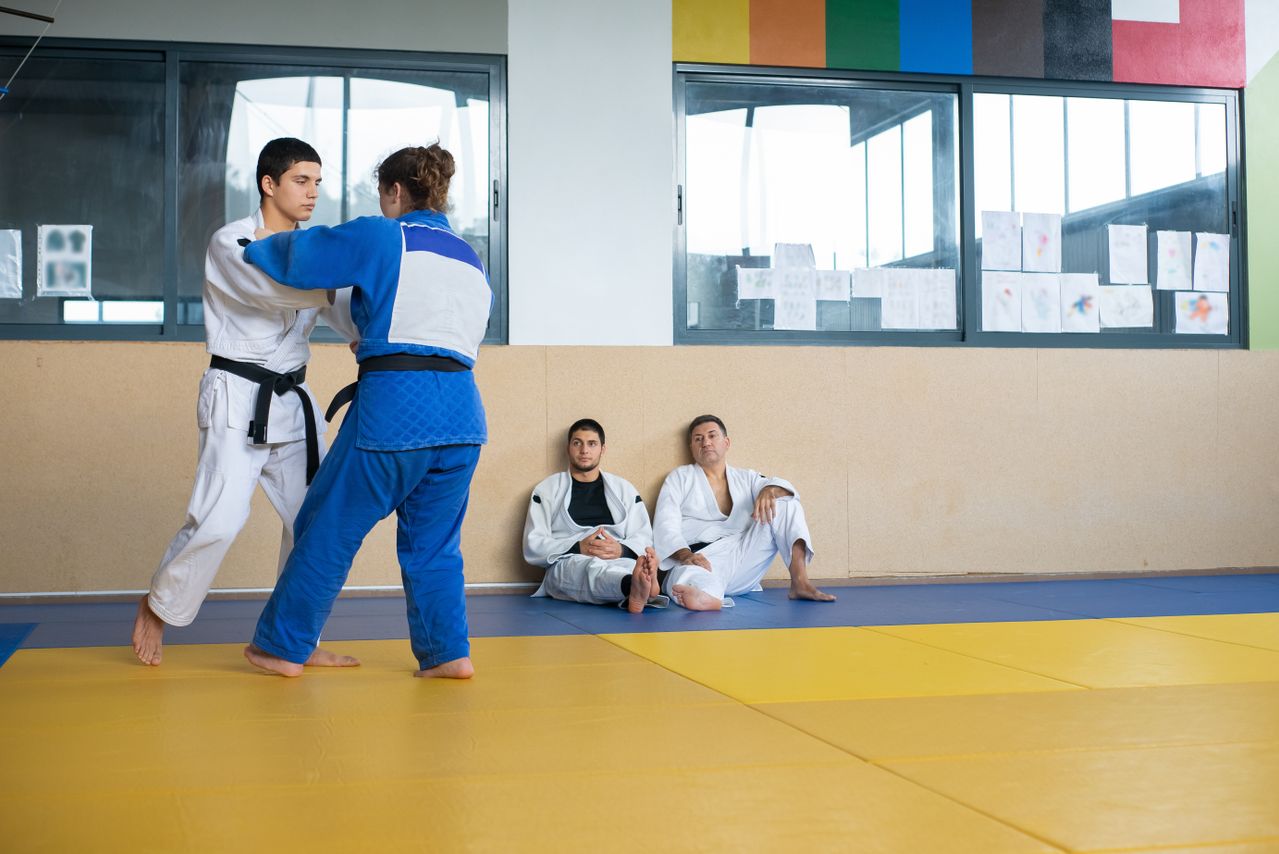
The country’s modern fight culture has strong roots in boxing, kickboxing, judo, and the broader Balkan grappling tradition. Montenegro has produced serious athletes in Olympic-style sports and professional boxing, with Dejan Zlatičanin standing as one of the country’s most important combat-sports figures after becoming Montenegro’s first boxing world champion. That matters for MMA because Montenegro’s strongest fighting identity has often been built around toughness, southpaw boxing, pressure, clinch work, and the regional habit of testing athletes early rather than sheltering them through soft records.
In MMA itself, the most recognizable Montenegrin name is Vaso Bakočević, a veteran of the Balkan and European circuit whose career has crossed MMA, bare-knuckle boxing, kickboxing, and other combat formats. Bakočević is not a polished example of a national development system; he is closer to a symbol of the regional fighter economy. He came out of Montenegro, fought out of Belgrade, and built his name through constant activity, personality, and willingness to take fights across weight classes and rule sets. That kind of career fits the Balkan scene, where fighters often move between promotions, countries, and combat-sports styles rather than staying inside one national structure.
Montenegro’s domestic MMA scene is still relatively small. Podgorica is the natural center of gravity, but the country does not have a deep network of major professional gyms or a regular calendar of large MMA shows. Fighters often need to connect with Serbian, Croatian, Bosnian, or broader European promotions to build records. That creates a practical challenge: Montenegrin athletes may begin locally, but serious progression usually requires travel, cross-border camps, and exposure to deeper sparring rooms.
That limitation is also what gives Montenegro’s MMA profile its character. It is a compact fight country attached to a much larger regional ecosystem. A promising athlete can come from a small city or club, but the next steps usually happen abroad or through Balkan promotions that know how to develop tough, affordable, hungry fighters. For readers searching for MMA in Montenegro, the important point is that the country is not yet a major MMA exporter. It is a small combat-sports nation whose fighters survive by plugging into the surrounding Balkan circuit.
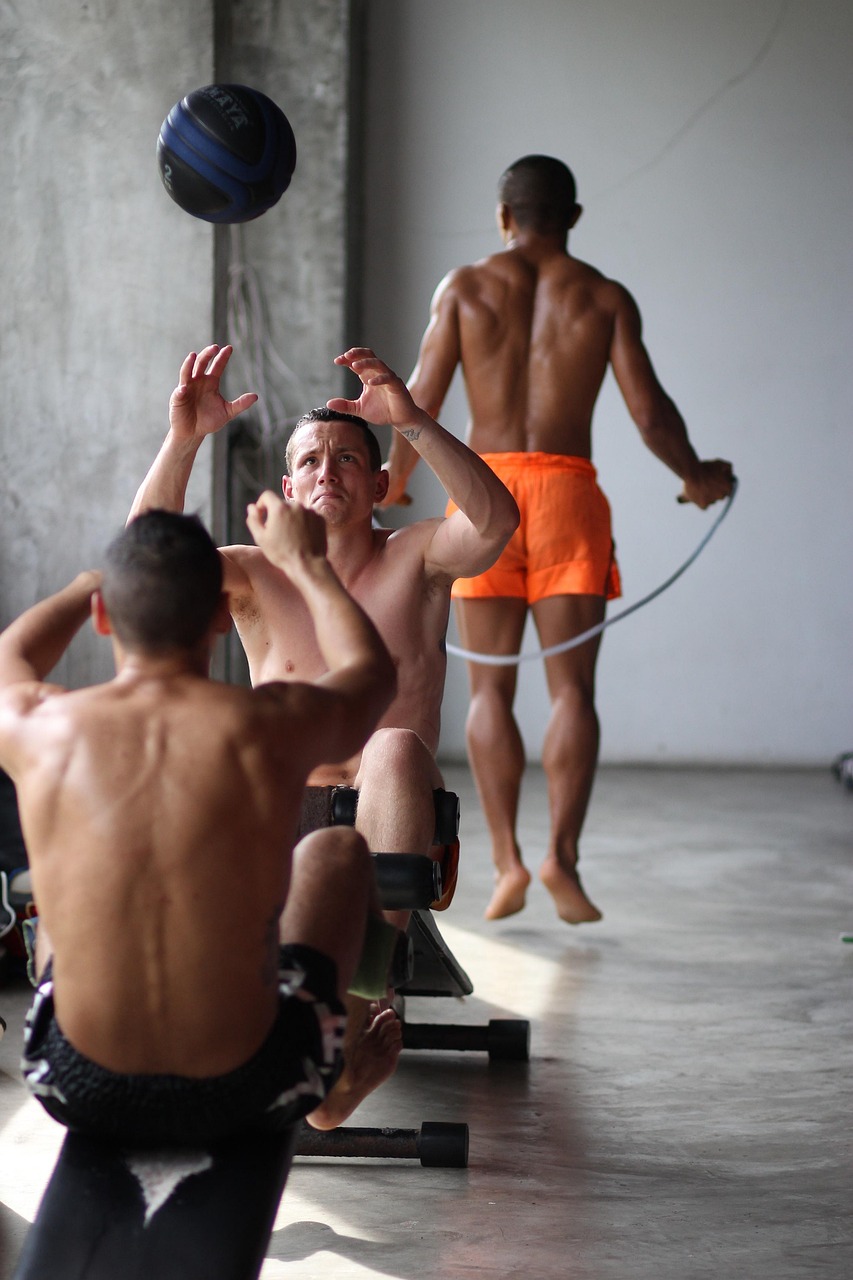
The future of MMA in Montenegro will likely depend on whether more athletes can make the transition from boxing, kickboxing, judo, and grappling into complete MMA training. The raw ingredients are present: a competitive sporting culture, a history of hard-nosed fighters, and proximity to active regional promotions. What Montenegro still needs is more consistent amateur development, more specialized MMA coaching, and more fighters who can move from local gyms into European organizations without having to build their entire careers outside the country.