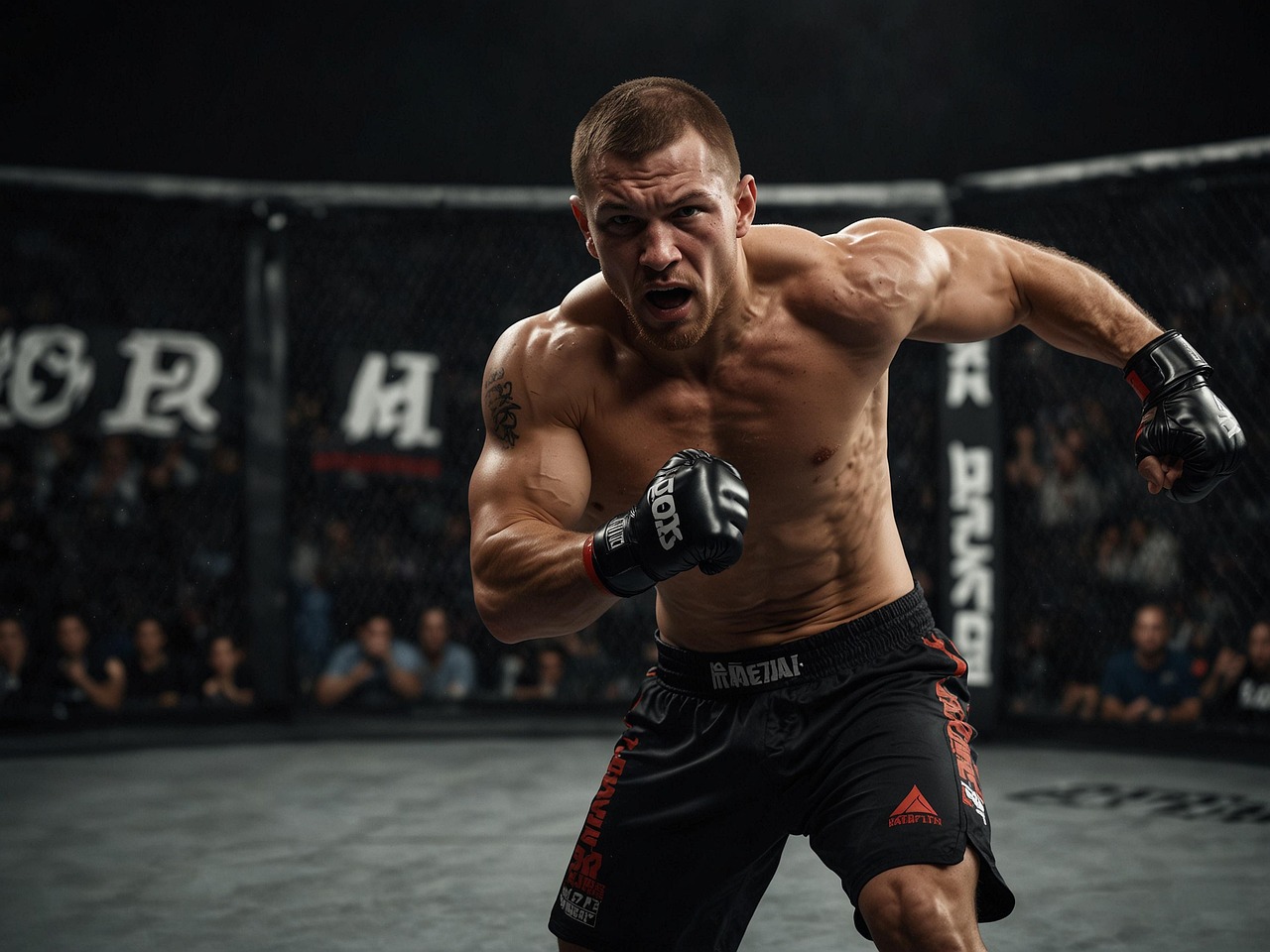
MMA in Burundi is still a very small scene, and its identity is best understood as grassroots, fragmented, and connected to wider East African and diaspora combat-sports pathways rather than a mature domestic fight market. Burundi does not yet have the kind of established MMA infrastructure found in South Africa, Nigeria, Cameroon, or parts of North Africa. The country’s combat-sports picture is more modest: individual fighters, scattered training opportunities, boxing and traditional martial arts influence, and athletes who often need access to better-developed regional or overseas systems if they want to build a serious professional career.
The clearest sign of Burundi’s current MMA position is the limited number of recorded fighters in major MMA databases. Tapology’s Burundi nationality page lists only a small group of fighters, including Guerschom Ndayisaba, Isreal Keita, Mike Nimpagaritse, Muhamed Ntungiyebose, Nestor Nduwarugira, Ornella Havyarimana, Rodrigue Nzoyibuka, Emmanuel Shemeza, Blaze Sylvestre, and Zach Nishimwe, with several showing either amateur records or no completed professional record. That does not mean MMA is absent from Burundi, but it does show that the country has not yet produced a broad, internationally visible professional pool.
The most useful way to read Burundi’s MMA scene is through the relationship between local athletic talent and external development. In countries with small fight infrastructures, athletes often begin with boxing, kickboxing, karate, judo, taekwondo, wrestling, or informal striking training before finding their way into MMA. The challenge is not simply talent. It is the need for mats, cages, experienced coaches, sparring depth, medical oversight, amateur events, and a reliable sequence of fights. Without that full ladder, an athlete may be physically gifted but still forced to leave the local system to become complete.
Mike “Jones” Nimpagaritse is one of the more visible Burundian-linked names in professional MMA records. Sherdog lists him as a Burundian bantamweight associated with Tristar Gym, with an unbeaten professional record listed at the time of the database entry. That kind of profile is important because it reflects the likely path for many fighters from smaller MMA countries: build the early identity at home or through heritage, then sharpen the professional toolkit in a gym environment with deeper sparring, more specialized coaching, and stronger connections to promoters.
Burundi’s local development ceiling is tied to the same issues facing many smaller African MMA scenes. The country needs more consistent amateur competition, better access to grappling instruction, and stronger regional links. Striking sports can create tough athletes, but modern MMA requires defensive wrestling, cage awareness, submission defense, and the ability to move between ranges without panic. That is where small scenes often struggle. A boxer or kickboxer can look promising in open space, but MMA changes quickly when a fighter is pressed against the fence, forced to scramble, or made to defend repeated takedowns.
The East African region matters here. Burundi is not isolated from the broader growth of African MMA, and the development of promotions, gyms, and amateur structures in neighboring or nearby markets can give Burundian athletes more realistic routes into competition. Nairobi, Kampala, Kigali, Dar es Salaam, Johannesburg, and international diaspora hubs may all matter more to the next Burundian fighter than a single domestic promotion. For now, the country’s MMA identity is not built around major events or a deep list of professionals. It is built around possibility, individual initiative, and the slow work of building a proper training base.
The future of MMA in Burundi depends on whether the sport can move from scattered participation to repeatable structure. A few recognized fighters can create attention, but a scene needs more than names. It needs coaches who understand modern MMA, amateur shows that allow athletes to develop safely, and a pathway from local gyms to regional competition. Burundi is not yet a major MMA country, but it has the same raw ingredients many small fight scenes start with: young athletes, combat-sports interest, and the chance to connect with a larger African MMA ecosystem.