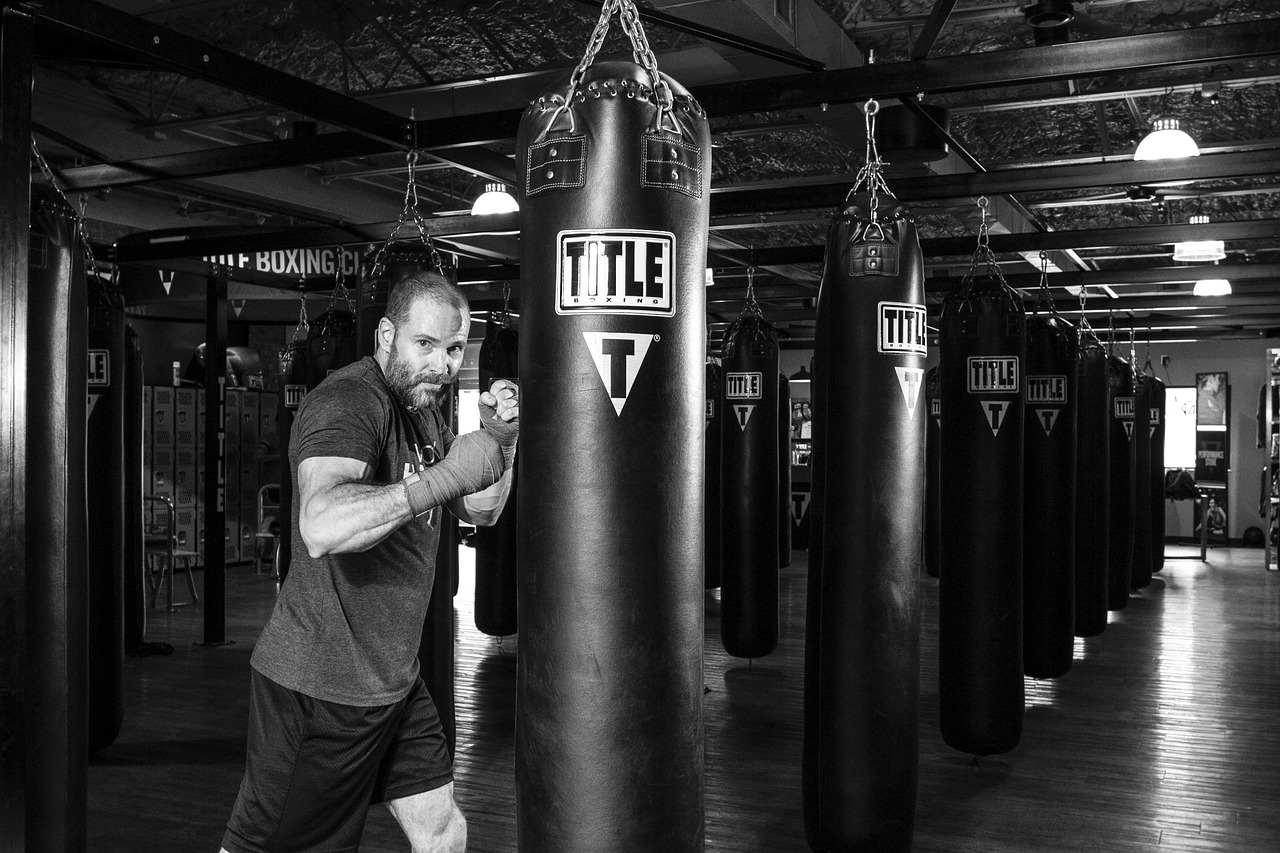
Toronto boxing is best understood as a gym-culture city with heavyweight history layered on top. It is not a prizefight capital in the Las Vegas sense, and it is not an Olympic machine in the Cuban or Kazakh sense. Its boxing identity comes from old rooms, immigrant neighborhoods, youth clubs, durable amateurs, and a Canadian heavyweight tradition that still gives the city a recognizable place in the sport. The Toronto boxing story begins less with spectacle than with training: fighters learning in community gyms, moving through Ontario tournaments, and measuring themselves against a broader Canadian and international field.
The central name in Toronto boxing remains George Chuvalo. Raised in the city’s west end, Chuvalo became a five-time Canadian heavyweight champion, fought Muhammad Ali, Joe Frazier, and George Foreman, and built one of boxing’s most famous reputations for toughness. His career was not only about who he fought but how he survived the heavyweight era he fought in. Chuvalo was known for never being knocked down in 93 professional bouts, a fact that turned him into a symbol of Toronto’s hard, durable boxing image. Heritage Toronto describes him as a fighter who ranked in the world’s top ten for much of his long career, which is why his name still sits at the center of the city’s boxing memory.
Toronto’s most important boxing institutions have usually been gyms rather than arenas. Sully’s Boxing Gym has operated as one of the city’s defining fight rooms, with its own history tied to famous Canadian and international boxers. The gym notes that George Chuvalo, Clyde Gray, Fern Bull, Lennox Lewis, and even Muhammad Ali were connected to its history, but its deeper importance is the number of young people who passed through the gym to learn discipline, fitness, and competitive boxing. That balance between famous names and community training is central to Toronto’s boxing personality.
Cabbagetown Boxing Club gives the city another part of that identity. Founded in 1972, the club grew from a community and youth-center model, using boxing as both a competitive sport and a developmental structure for local athletes. Its programming ranges from recreational training to youth programs and high-performance boxing, and its competitive sparring program is built around Canadian amateur boxing guidelines, club shows, Ontario tournaments, and national-level pathways. That makes Cabbagetown less a tourist landmark than a working piece of Toronto’s boxing infrastructure.
The city’s boxing scene also benefits from Toronto’s wider sporting scale. The 2015 Pan American Games brought major international amateur boxing to the region, with boxing events held in Oshawa as part of the Toronto Games. The tournament featured thirteen events and 120 boxers from 24 nations, giving local audiences a look at the kind of international amateur standard that Canadian boxers have to chase. Canada’s strong showing, including gold medals at those Games, reinforced the connection between Ontario boxing and the national amateur pathway.
Today, boxing in Toronto operates across several layers. There are serious amateur clubs, professional hopefuls, boxing-fitness gyms, community programs, and a multicultural talent base that reflects the city itself. Toronto does not need to manufacture a single myth to matter in boxing. Its value is in the overlap: old gyms with real history, a heavyweight icon in Chuvalo, amateur clubs that keep producing trained fighters, and a large enough urban sports market to sustain everything from youth boxing to competitive fight nights.
The future of boxing in Toronto will likely depend on that same infrastructure. The city has the population, the gyms, the immigrant sporting cultures, and the amateur base to keep boxing alive, even when professional title fights are not the center of the local calendar. Toronto boxing remains a practical fight culture: less about constant spectacle, more about rooms where fighters are built slowly and tested honestly.