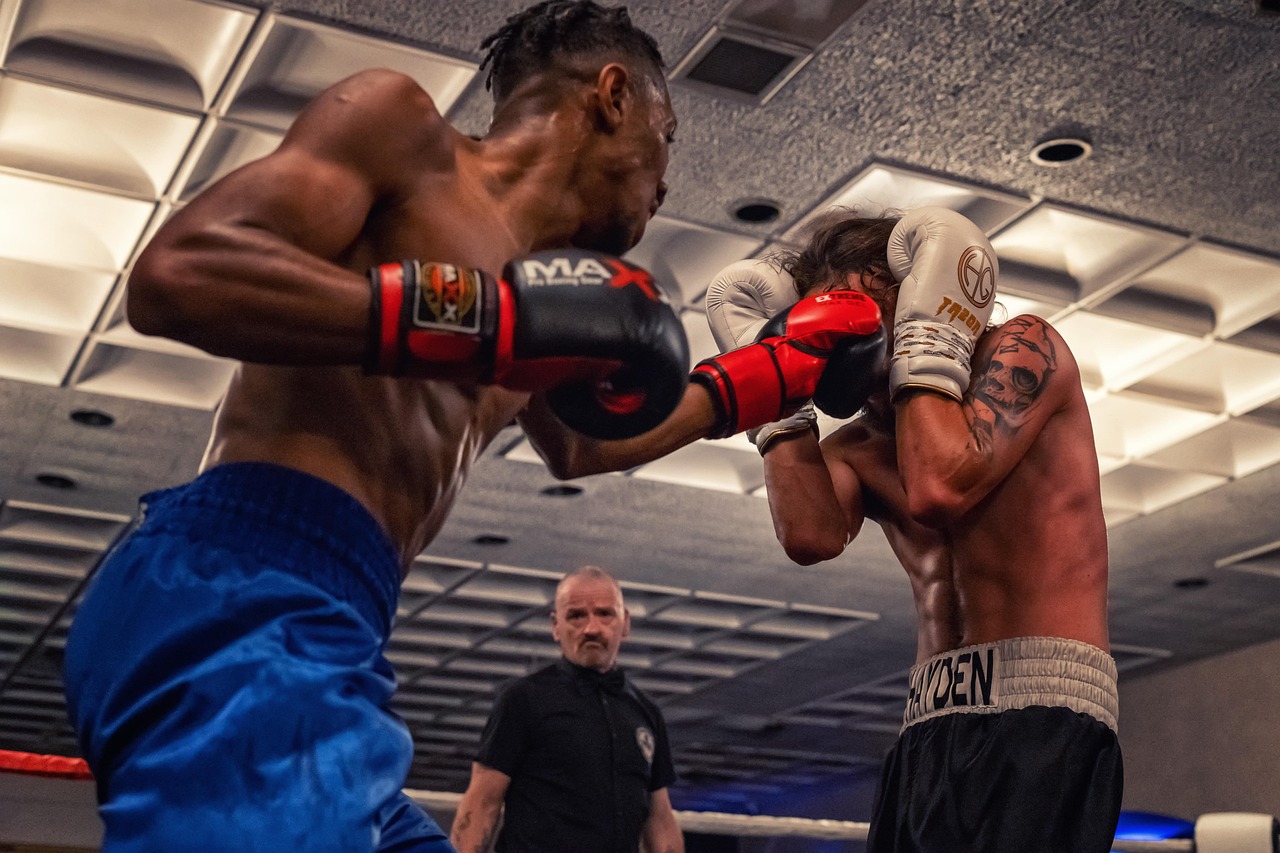
New York boxing is not one scene. It is a fight capital, a gym culture, a media market, an amateur proving ground, and a historical archive all at once. The state’s boxing identity begins in New York City, where Madison Square Garden still carries the aura of championship nights, but it does not end there. Brooklyn, the Bronx, Manhattan, Long Island, Buffalo, Rochester, Syracuse, and Canastota all belong to the wider map. New York has produced champions, hosted defining fights, shaped boxing journalism, and preserved the sport’s memory through institutions, gyms, and tournaments that continue to connect neighborhood amateurs to national pathways. The New York State Athletic Commission remains central to that structure, regulating professional boxing and other combative sports across the state.
The city’s boxing history is inseparable from its neighborhoods. New York has always been a place where boxing followed migration, work, poverty, ambition, and ethnic identity. Irish, Italian, Jewish, Black, Puerto Rican, Dominican, Russian, Ukrainian, and other communities have all shaped the city’s fight culture. That is why New York boxing has rarely had one house style. It has produced slick boxers, pressure fighters, punchers, technicians, showmen, and gym-made survivors. A fighter from Brownsville, the Bronx, Harlem, Staten Island, or Queens could carry a completely different sporting vocabulary while still being understood as part of the New York ring tradition.
The list of famous New York-connected boxers is deep enough to make the state feel like a boxing country of its own. Gene Tunney grew up in working-class New York before becoming world heavyweight champion, and Carmen Basilio, from Canastota, became one of the defining two-division champions of the 1950s. Mike Tyson’s Brooklyn identity became central to his rise as the youngest heavyweight champion, while Mark Breland turned New York amateur boxing into a national stage through his Golden Gloves dominance before winning Olympic gold and a world welterweight title. Those names do not tell one story; they show how New York has produced fighters through very different routes: street-to-gym transformation, disciplined amateur development, upstate grit, and old-world professional craft.
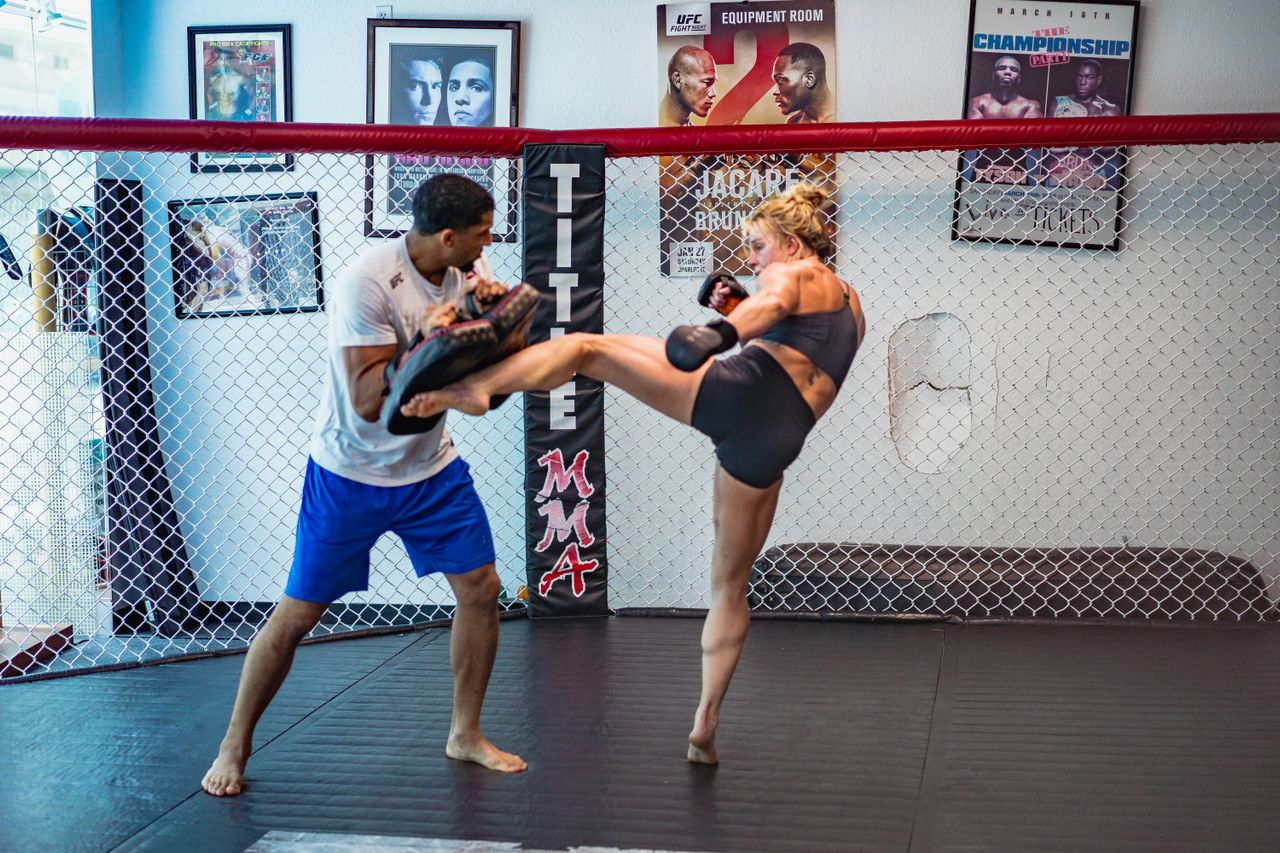
The gym culture is what keeps the state from becoming only a museum. Gleason’s Gym in Brooklyn is one of the clearest examples. Founded in 1937, it presents itself as the oldest active boxing gym in the United States, and its own record points to more than 130 world champions having trained there. Its history includes legends, contenders, Golden Gloves fighters, women’s boxing, trainers, monthly shows, and recreational boxers who want proximity to the sport’s old machinery. New York’s boxing gyms have always served multiple audiences: world-class professionals, serious amateurs, white-collar fighters, immigrant prospects, and people who walk in because the city has made boxing feel like part of its language.
Amateur boxing is just as important to the New York identity as prizefighting. The Ring Masters Championships, the modern successor to the New York Golden Gloves tradition, still sends elite champions toward the National Golden Gloves and Olympic qualifying pathway. That matters because New York’s boxing reputation has never depended only on headline events. It depends on the repeated cycle of neighborhood shows, local gyms, tournament brackets, coaches, officials, and families spending weekends inside small venues before a fighter ever reaches television.
New York’s future in boxing is likely to remain split between spectacle and development. Madison Square Garden and major venues give the state a global stage, while Brooklyn and the outer boroughs keep the gym culture alive beneath the spotlight. The state’s great advantage is density: fighters can find trainers, sparring, amateur tournaments, media attention, and professional opportunities without leaving the region. Boxing in New York still feels like a city argument conducted with gloves on, but it is also a statewide tradition with enough history and infrastructure to keep renewing itself.