Boxing in Kiribati is shaped by scale, distance, and the realities of island sport. This is not a country with a large professional boxing industry, a dense network of commercial gyms, or a deep list of internationally famous fighters. Kiribati’s boxing identity is closer to a small-nation development story, where the sport’s meaning comes from grassroots participation, national representation, community commitment, and the challenge of building competitive athletes across a remote Pacific island environment.
For small island countries, boxing can carry a different weight than it does in major fight markets. In places such as the United States, Mexico, Japan, or the United Kingdom, boxing is often measured through world titles, television cards, famous venues, and long professional rankings. In Kiribati, the sport is more closely tied to opportunity. A boxer may enter the gym because it offers discipline, fitness, pride, and a route into regional competition. The pathway is narrower, but the symbolic value can be large. Representing Kiribati in boxing means carrying a national flag into spaces where bigger countries usually have more money, more facilities, and more competitive depth.
The geography of Kiribati makes sport development difficult. The country is spread across a vast area of the central Pacific, with communities separated by ocean and limited resources. Any organized boxing structure has to work around those conditions. Training equipment, qualified coaching, regular sparring, medical support, and tournament travel are all harder to sustain than they are in countries with concentrated populations and stronger sports infrastructure. That makes every serious boxing effort in Kiribati more dependent on committed local organizers, coaches, athletes, and national sporting bodies.
Kiribati’s boxing scene fits into the broader Pacific pattern, where combat sports often develop through a combination of community clubs, school-age athletes, regional games, and national-team ambition. Pacific athletes are often physically strong, resilient, and comfortable with demanding sports, but boxing requires more than toughness. It requires repeated technical instruction, safe sparring, footwork, defense, ring experience, and a competition calendar that allows fighters to improve. For Kiribati, the central challenge is not interest alone. It is continuity.
Famous boxers from Kiribati are not widely known in the global professional boxing conversation, and that should be understood honestly. The country’s boxing importance is not based on producing a long championship lineage. Its importance is developmental. The key figures are more likely to be amateur representatives, regional competitors, coaches, and sports officials who create the conditions for Kiribati boxers to participate internationally. In a small boxing nation, the first athletes to compete abroad matter because they establish a reference point for the next generation.
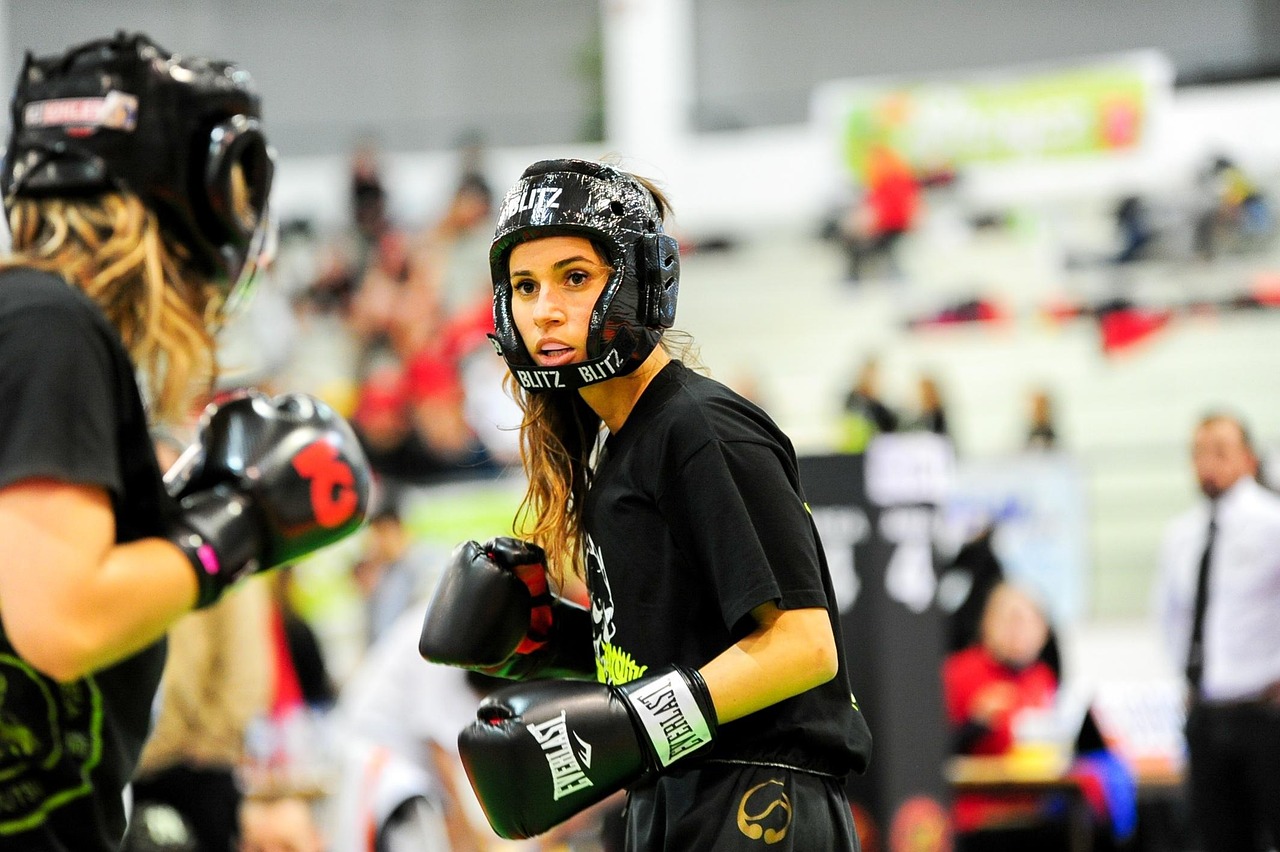
Regional competition is especially important. For Kiribati boxers, events connected to Oceania, Pacific Games-style competition, and Olympic qualification pathways provide a more realistic international stage than the professional boxing circuit. These tournaments allow fighters from smaller nations to face opponents from countries with stronger systems, including Australia, New Zealand, Samoa, Fiji, Tonga, Papua New Guinea, and other Pacific programs. The experience can be difficult, but it is also essential. A fighter cannot grow without rounds, and a small-country boxer often needs regional events to find the level of opposition required for improvement.
Boxing gyms and training spaces in Kiribati are best understood as community infrastructure rather than commercial fight factories. A boxing room may serve multiple purposes: youth activity, fitness, discipline, national-team preparation, and local competition. In environments with limited resources, the coach becomes especially important. Equipment can be basic. Rings may be limited. Travel may be expensive. But a consistent coach can still teach stance, guard, straight punches, balance, movement, conditioning, and respect for the sport.
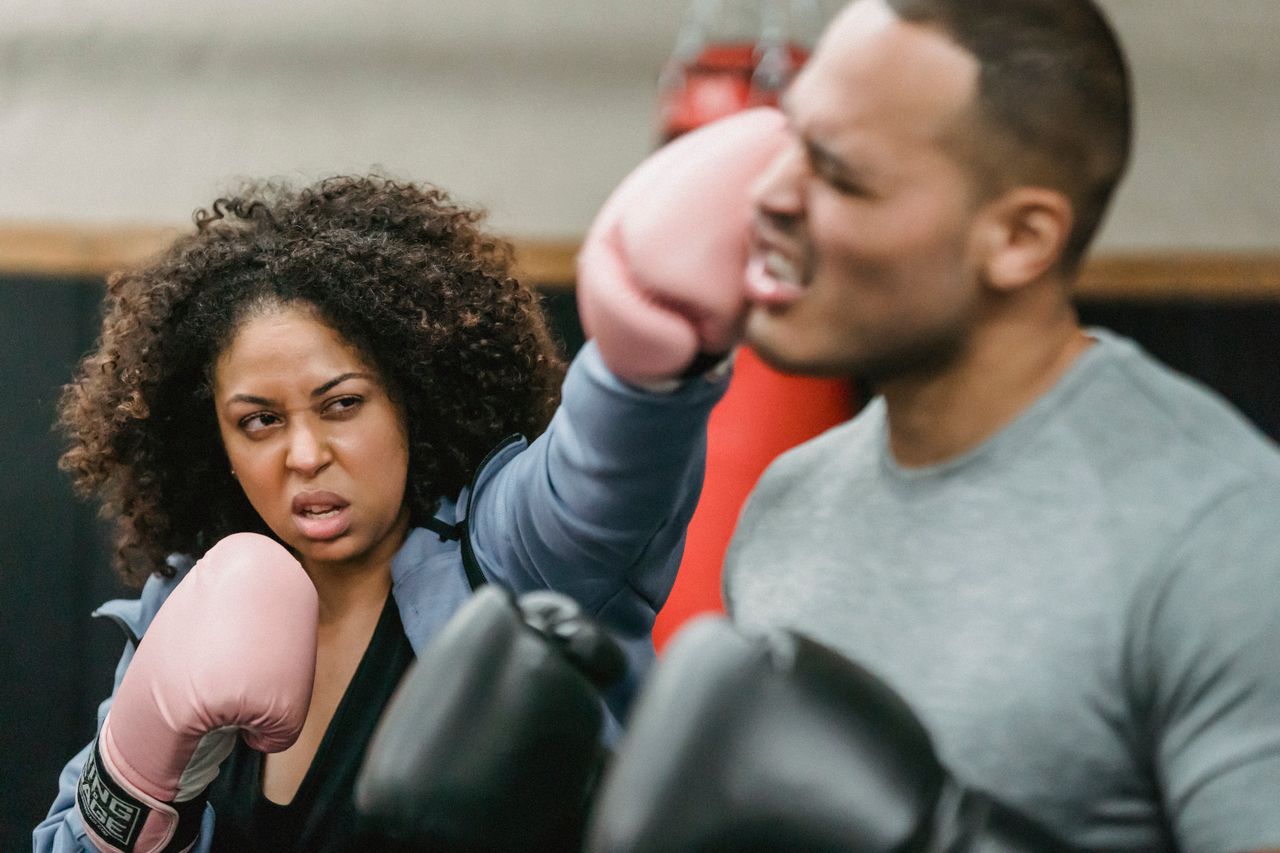
The recreational side of boxing can also help Kiribati. Fitness boxing gives the sport a wider base and introduces young people to boxing skills without requiring everyone to become a competitor. Over time, a broader base can reveal the athletes who want more serious training. That is often how small boxing programs grow: not through a sudden professional boom, but through steady participation, reliable coaching, and occasional breakthroughs in regional events.
Kiribati’s boxing future depends on patience. The country does not need to imitate a major professional market to have a meaningful boxing culture. Its best path is likely through youth development, school and community programs, regional competition, and stronger links with Oceania boxing networks. If more athletes can access safe training, regular sparring, qualified coaching, and tournament experience, Kiribati can build a boxing identity that fits its own size and circumstances. Boxing in Kiribati is a small scene, but it has value because it gives athletes from a remote island nation a demanding, disciplined, internationally recognized sport through which to compete, represent, and grow.