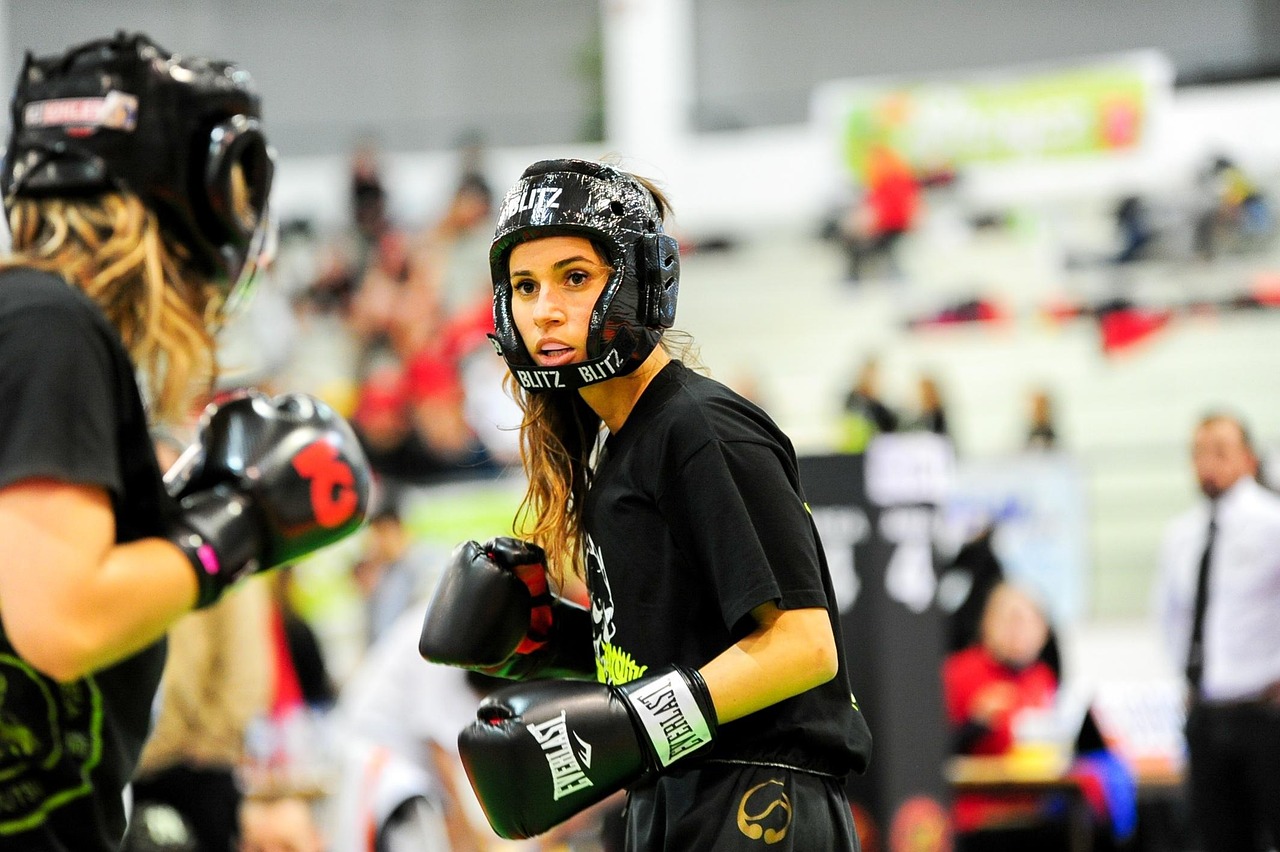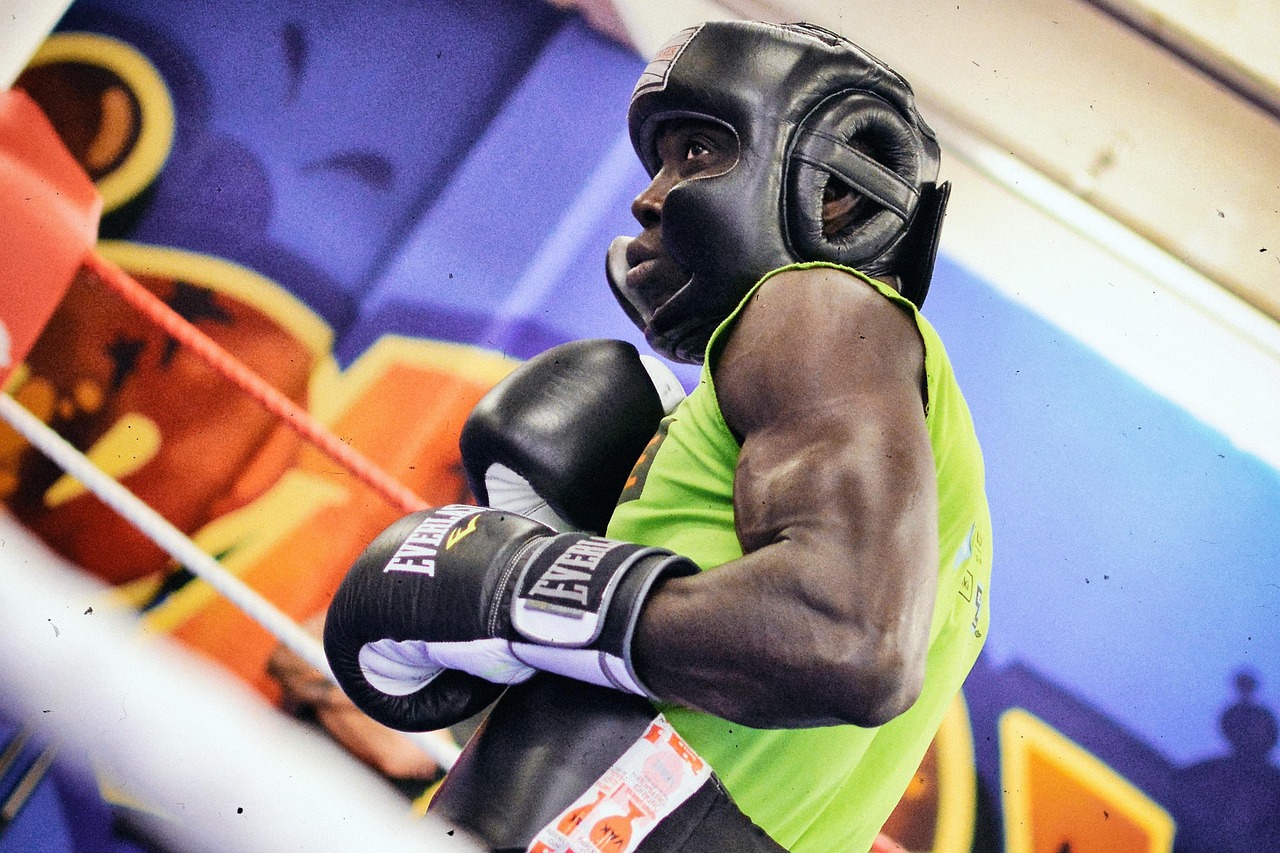
MMA in the Philippines has never developed as a simple copy of the American, Brazilian, Russian, or Japanese model. It grew out of a local combat culture that already understood fighting through boxing, arnis, wushu, kickboxing, judo, wrestling, and street-level toughness long before mixed martial arts became a mainstream global sport. The country’s MMA identity is not built around one discipline alone. It is built around adaptation.
The Philippines is a boxing nation first in the public imagination, and Manny Pacquiao’s shadow still reaches across every combat sport in the country. But Filipino MMA carved out its own lane by combining the country’s striking instincts with a serious regional grappling and wushu base. That combination helped produce one of Asia’s most recognizable MMA ecosystems: the Baguio and Cordillera pipeline, led for years by Team Lakay and later extended through Lions Nation MMA and other developing camps.
What makes Philippine MMA distinct is the way it sits between two worlds. On one side, it has produced world champions in ONE Championship, major regional names, UFC veterans, and a fan base that responds strongly to Filipino fighters on international cards. On the other side, it remains a developing domestic sport, still fighting for deeper amateur infrastructure, more consistent local events, broader coaching depth, and pathways that do not require every elite fighter to break through one or two famous teams.
The result is a country with a real MMA identity, but not a finished one. The Philippines has already mattered in Asian MMA. Its next challenge is proving that the first golden generation can become a sustainable national system.
Before MMA, the Philippines Already Had a Fight Culture
The Philippines did not need MMA to become a combat-sports country. Boxing has long been the most visible prizefighting language in the country, from neighborhood gyms to national television to world title nights. Filipino fighters have always had cultural permission to be tough, technical, and admired. That gave MMA a useful starting point: the public already understood the idea of the fighter as a national representative.
But MMA needed more than boxing. It needed kicks, clinch work, takedown defense, submissions, ground control, and rule-set fluency. That is where the country’s broader martial arts environment mattered.
Arnis and kali gave the Philippines a native martial arts identity, even if weapon-based Filipino martial arts did not translate directly into modern cage fighting the way wrestling or Brazilian jiu-jitsu did. Wushu and sanda became especially important in the northern Philippines, where several of the country’s most influential MMA athletes came through national-team striking backgrounds. Brazilian jiu-jitsu also became a crucial part of the Manila and national MMA scene, especially as fighters and coaches looked for a structured answer to the grappling problem that early strikers faced in mixed rules.
This combination shaped the Filipino style at its best. The early Philippine MMA standout was often not a pure wrestler or a pure jiu-jitsu fighter. He was a striker with balance, conditioning, aggression, and enough scrambling ability to survive dangerous positions. The country’s best fighters eventually became more complete, but the original identity was unmistakable: movement, kicks, combinations, toughness, and a willingness to fight through momentum swings.
That identity made Filipino fighters exciting. It also created vulnerabilities. Against elite grapplers, heavy wrestlers, and pressure fighters from deeper systems, Filipino MMA sometimes struggled. The country’s modern development story is partly about correcting that imbalance without losing the striking confidence that made its fighters popular in the first place.
URCC and the Move From Underground Fighting to Organized MMA
The domestic MMA story in the Philippines cannot be told without the Universal Reality Combat Championship. URCC gave the country an organized local platform when MMA was still young in much of Asia. Before Filipino fighters were regular names in ONE Championship, Brave CF, Pacific Xtreme Combat, or the UFC conversation, URCC helped turn scattered martial arts scenes into a more coherent fight circuit.
That mattered because MMA needs repetition. Fighters need cards, coaches need corners, referees need experience, promoters need audiences, and fans need local names to follow before they care about international rankings. URCC was important not simply because it staged fights, but because it helped create a Philippine MMA calendar and gave early athletes a place to test mixed rules.
The promotion also reflected Manila’s role in the sport. Metro Manila has long been the country’s media, business, and event center. It had the venues, the gyms, the sponsorship possibilities, and the population density to support combat-sports shows. But Philippine MMA did not become purely Manila-based. One of its most powerful developments came from the mountains, not the capital.
That capital-versus-Cordillera dynamic became one of the defining features of the Philippine scene. Manila offered visibility and event infrastructure. Baguio and La Trinidad produced a disciplined high-altitude fight culture that became internationally recognizable. Together, they gave the country a split identity: Metro Manila as the platform, the Cordilleras as the factory.
Team Lakay and the Baguio Model
For more than a decade, Team Lakay was the face of Philippine MMA. Based in Baguio City and closely associated with coach Mark Sangiao, the team became one of Asia’s most successful MMA stables. Its rise was not accidental. Baguio’s altitude, university culture, wushu background, and tight regional identity created a training environment that could produce disciplined fighters with distinctive striking and strong conditioning.
Team Lakay’s early formula was clear. Take athletes with wushu, sanda, or striking backgrounds. Build their MMA game around speed, kicks, explosiveness, and cardio. Develop them in a close team setting. Give them international experience through regional promotions. Then move them onto the biggest Asian stage available.
That model worked. Eduard Folayang became the central figure, not only because of his titles but because of what he represented. He was not just a good Filipino fighter. He was the bridge between the wushu national-team background, the early URCC scene, and ONE Championship’s rise as Asia’s main MMA platform. His win over Shinya Aoki for the ONE lightweight title remains one of the signature moments in Philippine MMA history because it showed that a Filipino striker could beat an elite Japanese grappler at the highest level in Asia.
Folayang was not alone. Honorio Banario, Kevin Belingon, Geje Eustaquio, Joshua Pacio, Danny Kingad, Edward Kelly, Stephen Loman, and others gave Team Lakay depth across weight classes. The team became known for walkouts wrapped in national pride, high-paced striking exchanges, and a recognizable mountain-region identity that gave Filipino MMA a clear brand.
At its peak, Team Lakay was more than a gym. It was a national sports story. It made Baguio one of the most important MMA cities in Southeast Asia and gave Filipino fight fans a stable of athletes to follow year after year.
The Champions Who Defined a Generation
Philippine MMA’s international reputation rests heavily on a specific generation of fighters who turned regional promise into world-title visibility.
Eduard Folayang remains the symbolic figure. His career had the narrative arc that every fight culture needs: humble beginnings, national-team roots, early domestic success, international setbacks, reinvention, and championship breakthrough. His lightweight title victories in ONE gave the Philippines a genuine MMA icon, not merely a popular local fighter.
Joshua Pacio became the next standard-bearer. Younger, smaller, more submission-aware, and technically sharper in transitional MMA phases, Pacio represented the evolution of the Filipino fighter. He still carried the Team Lakay striking base, but his success at strawweight required a more complete game. Against opponents who could wrestle, scramble, and threaten submissions, Pacio had to prove that Philippine MMA was moving beyond the old striker-versus-grappler vulnerability.
Kevin Belingon brought explosive bantamweight danger and was part of one of ONE Championship’s most memorable divisional rivalries with Bibiano Fernandes. Belingon’s best performances showed what Filipino striking could look like when paired with confidence, athleticism, and title-level pressure.
Honorio Banario’s featherweight championship moment gave the country an early world-title landmark. Geje Eustaquio’s flyweight success added another layer to Team Lakay’s run. Danny Kingad became a respected flyweight contender whose pace and durability kept him relevant in a difficult division. Stephen Loman, who had major success outside ONE before entering its bantamweight field, broadened the picture by showing that Filipino MMA was not only one team’s story.
There is also the Filipino-American dimension. Brandon Vera became a major figure in the Philippine fight imagination because he carried Filipino identity into both the UFC and ONE Championship, eventually becoming ONE heavyweight champion and headlining major shows in Manila. Mark Muñoz gave Filipino fans another UFC connection, especially through his wrestling-heavy middleweight career and public embrace of Filipino heritage.
These fighters matter because they created multiple entry points for fans. Some fans came through ONE Championship. Some came through the UFC. Some followed Team Lakay. Some followed Filipino-American fighters abroad. Together, they made MMA feel like a sport where Filipinos could see themselves at the highest levels.
Manila, Pasay, and the Big-Event Side of Philippine MMA
The Philippines is not only a fighter-producing country. It is also an important event market when the right promotion, venue, and Filipino star align.
Metro Manila has the country’s clearest big-show infrastructure. The Mall of Asia Arena in Pasay has hosted major international combat-sports events, including the UFC’s first event in the Philippines and several major ONE Championship cards. For MMA promoters, Manila offers something valuable: a large urban audience, intense national pride, strong media coverage, and fans who understand combat sports.
The atmosphere around major Filipino fight nights is part of the country’s MMA appeal. When a Filipino fighter is in a title fight or a major co-main event, the crowd does not treat it as a niche technical contest. It becomes a national sporting occasion. That emotional intensity has helped ONE Championship build Filipino stars and has made Manila a natural destination for Asian MMA cards.
But the event side of Philippine MMA has also been uneven. The country is not Las Vegas, Abu Dhabi, Singapore, or Tokyo in terms of constant global fight traffic. Its biggest MMA nights often depend on whether major promotions have enough Filipino star power to justify the card. When the country has champions and contenders, Manila becomes a compelling fight market. When the talent cycle slows, the international event calendar becomes less predictable.
That makes athlete development and event hosting connected. The Philippines can draw major MMA shows when it produces fighters who make the live gate feel urgent. The stronger the next generation becomes, the more attractive Manila becomes as a recurring international MMA stop.
Training Culture: Toughness, Striking, and the Search for Complete MMA
The strongest parts of Philippine MMA training culture are easy to identify: discipline, toughness, striking creativity, and team loyalty. The country has produced fighters who are willing to exchange, willing to push a pace, and willing to carry national pressure into major bouts. That has helped Filipino MMA gain fans quickly.
The next layer is technical balance. Modern MMA has punished incomplete fighters everywhere, and the Philippines is no exception. A striker who cannot defend takedowns, build back to the feet, or survive top pressure will eventually hit a ceiling. A grappler who cannot handle range and leg kicks will face the same problem. The country’s best modern camps know this.
That is why Brazilian jiu-jitsu, wrestling, strength and conditioning, nutrition, and international sparring have become more important. Philippine MMA can no longer rely on the idea that toughness and striking rhythm are enough. The fighters who last at world level need full-phase training: entries, cage wrestling, clinch defense, submission chains, ground-and-pound awareness, and five-round pacing.
This is also where geography matters. The Baguio model offered altitude, discipline, and a strong team environment. Manila offers more commercial access, a larger gym market, media exposure, and a broader mix of martial arts schools. Cebu, Davao, and other regional centers have their own combat-sports communities, but the national scene still needs more consistent pathways outside the best-known hubs.
The healthiest future for Philippine MMA would not be one super gym carrying the country. It would be multiple strong regional systems: Baguio and the Cordilleras continuing their tradition, Manila deepening its professional infrastructure, Visayas and Mindanao producing more prospects, and Filipino fighters abroad staying connected to the national scene.
The Post-Team Lakay Chapter
One of the most important recent shifts in Philippine MMA was the split involving several former Team Lakay champions and the formation of Lions Nation MMA. Eduard Folayang, Joshua Pacio, Kevin Belingon, Honorio Banario, and others leaving the old structure marked the end of an era, but not necessarily a collapse of the country’s MMA identity.
In one sense, it was a natural development. Successful fight teams often change when athletes mature, coaching needs evolve, business interests grow, and champions begin thinking about legacy beyond their own careers. A gym that produces stars eventually has to deal with the fact that stars become institutions themselves.
For Philippine MMA, the split created a more complex landscape. Team Lakay remained an important name, especially with Mark Sangiao’s continued role and the rise of younger athletes connected to the gym. Lions Nation MMA became a new symbol of veteran leadership and fighter-led development. Instead of one Baguio-centered brand carrying the national story, the Philippines now has multiple branches from the same championship tree.
That can be healthy if it creates competition, innovation, and more coaching opportunities. It can be harmful if the talent pool becomes too divided or if young fighters are forced to choose sides before their development is complete. The long-term question is whether the post-Team Lakay era produces stronger systems or simply separates famous names into smaller camps.
The early answer is that Philippine MMA still has enough prestige to matter in Asia, but the next generation must prove itself. Folayang, Belingon, Banario, Eustaquio, and the first Pacio title run created the foundation. The next wave has to show that the foundation can be built on.
Filipino MMA and the Wider Asian Scene
The Philippines occupies an important but specific place in Asian MMA. It is not the wrestling machine of Dagestan, the grappling depth of Brazil, the kickboxing infrastructure of Thailand, or the corporate event base of Singapore. Its identity is more hybrid.
Against Japanese fighters, Filipino athletes have often represented explosive modern MMA against older grappling and shoot-style traditions. Against Thai and Indonesian athletes, they have tested regional striking and scrambling systems. Against Americans, Russians, and Central Asians, they have had to answer wrestling, pressure, and physicality. Against elite Brazilians, they have had to deal with submission depth.
That variety has forced Filipino fighters to evolve. ONE Championship was especially important because it placed Philippine athletes into a truly international Asian rule-set environment. A Filipino champion could not simply dominate local opposition and remain untested. He had to fight Japanese legends, Brazilian grapplers, American wrestlers, Australian-based contenders, Indonesian prospects, and other Southeast Asian rivals.
This is one reason the Philippine MMA fan base became sophisticated quickly. Fans saw their fighters win big, lose badly, adjust, regain belts, and age in public. They learned the difference between domestic dominance and international championship viability.
That is a major sign of maturity. A young MMA country celebrates participation. A serious MMA country debates styles, coaching decisions, matchmaking, weight classes, and whether its stars are adapting fast enough. The Philippines has reached that second stage.
The Future of MMA in the Philippines
The future of Philippine MMA depends on whether the country can turn star moments into a deeper national pipeline.
The first priority is amateur development. A sustainable MMA country needs more than famous professionals. It needs youth wrestling, jiu-jitsu tournaments, striking competitions, amateur MMA cards, judging education, medical standards, coaching certification, and gyms that can develop athletes safely over years. The Philippines has pieces of that structure, but the system is still uneven.
The second priority is grappling depth. Filipino fighters have already shown that they can strike, scramble, and fight with heart. To consistently beat the best in Asia and beyond, the country needs more wrestlers, more high-level jiu-jitsu players, and more coaches who can blend grappling into MMA without turning natural strikers into hesitant fighters.
The third priority is regional expansion. Baguio and Manila cannot carry the entire country forever. The Philippines is too large and too diverse for MMA to be concentrated in only a few places. More prospects from Cebu, Davao, Iloilo, Bacolod, Cagayan de Oro, and other regional sports centers would make the national scene stronger and less dependent on one historic pipeline.
The fourth priority is international placement. Filipino fighters need opportunities in ONE Championship, UFC, PFL, Rizin, Brave CF, UAE Warriors, Road to UFC, and other serious platforms. Domestic fame is useful, but international matchmaking is where a fighter’s level becomes clear.
Philippine MMA already has what many developing scenes lack: recognizable champions, a passionate fan base, major event memories, respected gyms, and a national combat-sports culture. What it needs now is density. More fighters. More coaches. More grappling. More regional cards. More paths to international competition.
The Philippines has already had its breakthrough generation. Its MMA story is no longer about whether the country can produce world-class fighters. It can. The next question is whether it can produce them regularly enough to become one of Asia’s most reliable MMA nations.