Zambia has one of the more interesting emerging MMA stories in Africa because its scene is not built around a famous UFC star. It is built around organization. In many developing MMA countries, the sport appears first through a few gyms or one breakthrough fighter. Zambia’s identity is different. Its progress has come through amateur structure, federation work, and growing participation in African MMA competitions.
That makes Zambia a useful example of what early-stage MMA development can look like when the goal is not just to produce one professional fighter, but to build a national system. Mixed Martial Arts Zambia has been recognized within the IMMAF framework, and that matters because amateur MMA often needs governance before it can produce sustainable professional results. Weight classes, safety standards, coaching education, athlete registration, tournament rules, and national team selection are not glamorous parts of the sport, but they are the foundation that allows a country to move from scattered gym sparring to legitimate competition.
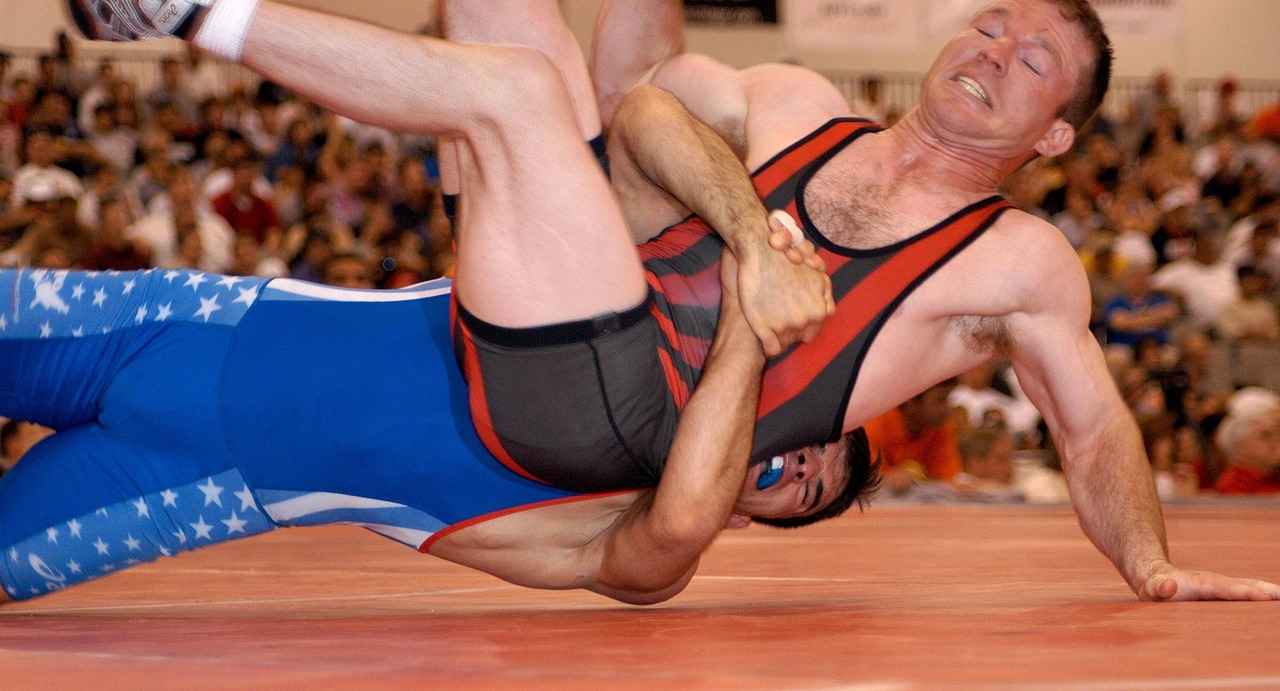
Zambia’s combat-sports base is still developing in MMA terms, but the country has the ingredients that many African markets share: boxing interest, striking gyms, military and police sport influence, general athleticism, and regional access to stronger fight scenes. The question is how those pieces are combined. MMA is not boxing plus kicking plus grappling in a loose way. It requires athletes to learn transitions, cage control, takedown defense, ground-and-pound positioning, submission awareness, and five-minute-round conditioning. Zambia’s progress depends on whether its gyms can teach MMA as an integrated sport rather than as disconnected disciplines.
The country’s recent amateur momentum is the most important part of the story. Zambia has competed in African MMA championship environments, and medal results have given the national setup a stronger reputation. That kind of success matters more than casual fans may realize. Amateur continental competition exposes fighters to different styles, more disciplined judging, tournament pressure, and opponents from countries with their own combat-sports strengths. For Zambian athletes, those events are not just medals. They are scouting platforms, learning environments, and proof that the country can compete beyond local gym circuits.
Unlike South Africa, which has long had the continent’s deepest professional MMA infrastructure, Zambia is still building its bridge from amateur success to professional opportunity. That bridge may run through regional shows, PFL Africa-style platforms, EFC-linked pathways, and cross-border training. South Africa will remain important because it has more gyms, more events, and more experienced coaches. For Zambian fighters, developing at home and then testing themselves regionally may become the most realistic route.
The fan culture is still young, but it has room to grow because MMA gives Zambia a sport where national pride can attach to individual athletes quickly. A single strong tournament team or a breakout professional can change public attention. The more durable growth, though, will come from a larger base of amateurs, coaches, officials, and gyms willing to work under consistent standards.
Zambia’s MMA identity is not yet about global stars. It is about structure before stardom. That may actually be a healthier route. If the country keeps producing competitive amateurs, sending teams to African events, and connecting fighters to professional opportunities abroad, Zambia could become one of the more organized second-wave MMA countries in Africa.