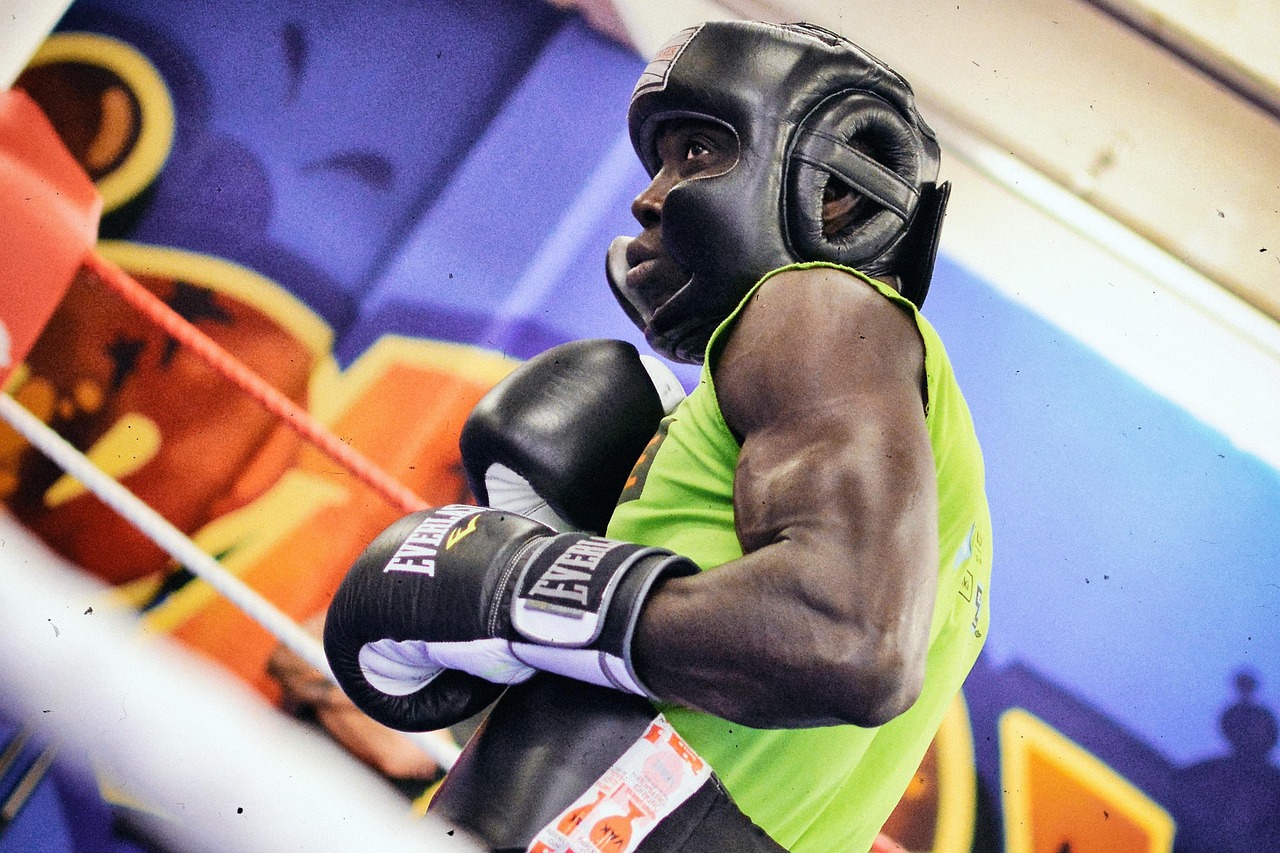
Tonga’s MMA identity is unusual because the country’s strongest fight profile is tied as much to diaspora, rugby culture, and Pacific combat toughness as it is to domestic cage-fighting infrastructure. Tonga is not a large MMA market in the commercial sense. It does not have a deep professional circuit or a long list of UFC veterans. But it does have a recognizable combat-sports presence through Tongan athletes based in New Zealand, Australia, and the wider Pacific world.
The most visible modern name is Isi “Doxz” Fitikefu, a Tongan-Australian fighter who has represented Tonga in ONE Championship. ONE describes him as having grown up in South Auckland in a Tongan family before moving to Sydney, where he also spent time in rugby league with the Cronulla-Sutherland Sharks pathway. His career reflects a major part of Tonga’s MMA reality: the talent pool is often developed outside the islands, especially in Australia and New Zealand, while still carrying Tongan identity into international competition.
That diaspora pathway is central. South Auckland, Western Sydney, Brisbane, and other Pacific-heavy communities have produced athletes across rugby, boxing, kickboxing, league, union, and combat sports. For Tongan MMA, the question is often not whether the athlete trained entirely in Tonga. It is whether Tongan heritage, family networks, and Pacific athletic culture shape the fighter’s identity. In MMA, that can matter deeply because national representation is not only about where a fighter lives. It is also about the flag they carry, the community they represent, and the young athletes who see them as reachable examples.
Inside Tonga itself, organization is still developing. The Combat Sports Federation Tonga identifies itself as the representative body for MMA and Brazilian jiu-jitsu athletes competing under the Tongan flag. Its activity around Team Tonga and GAMMA World Championship participation shows an effort to create international amateur opportunities, not just celebrate overseas professionals after they have already emerged.
That distinction is important. Small island MMA nations need structure more than hype. They need coaches, mats, safety standards, amateur competition, fundraising, travel support, and international federation access. Tonga’s athletes face the same challenge as many Pacific competitors: the fighting talent and physical culture are real, but the cost of building a full MMA pathway is high. Travel is expensive. Local opponent pools are small. Advanced grappling and wrestling coaching can be limited. A promising athlete may need to leave home or connect with overseas teams to keep improving.
Tonga’s combat-sports roots also extend beyond MMA. Boxing and taekwondo have given the country Olympic-level visibility, while rugby provides a powerful athletic base. Rugby does not automatically create MMA fighters, but it does develop collision tolerance, explosiveness, balance, and competitive aggression. When paired with proper striking and grappling, those traits can translate well. The difference is technical refinement. MMA rewards athleticism only when it is disciplined by footwork, defense, clinch control, submission awareness, and fight IQ.
The future of MMA in Tonga will likely remain transnational. The strongest version of the scene connects athletes in Tonga with Tongan communities in New Zealand and Australia, then uses amateur world championships and regional combat-sports networks to build experience. Tonga may not become a volume producer of elite MMA fighters, but it can become a respected small-flag program with a clear identity: Pacific athletes, diaspora strength, developing BJJ and MMA organization, and a national team model that gives young fighters a reason to believe the sport has a place for them.