Boxing in the United States has never been only a sport. It has been a business, a neighborhood institution, a television product, a path out of poverty, a city-by-city identity, and one of the clearest windows into American athletic culture. Few countries have shaped professional boxing more deeply. The United States did not invent boxing, but it helped turn modern prizefighting into a global entertainment economy built around champions, promoters, arenas, writers, broadcasters, sanctioning bodies, gambling markets, pay-per-view, and the idea of the fighter as a national figure.
The American boxing identity is different from the centralized systems found in many Olympic boxing countries. It is sprawling, uneven, commercial, regional, and personality-driven. Fighters are made in local gyms, amateur tournaments, Golden Gloves programs, military boxing rooms, immigrant communities, police athletic leagues, and family-run training spaces. Some rise through national amateur competition. Others are shaped by sparring culture, small club shows, and the practical education of old fight towns. The system can be chaotic, but it has produced a longer list of legendary professional fighters than any country in the world.
American boxing also has many versions of itself. New York gave the sport Madison Square Garden, immigrant fight culture, and a century of championship theater. Philadelphia built a reputation around hard gyms, unforgiving sparring, and fighters who were respected even when they never became household names. Detroit, Cleveland, Cincinnati, Youngstown, and other Rust Belt cities tied boxing to working-class athletic identity. Las Vegas turned championship boxing into spectacle. Los Angeles became a media, training, Mexican American, and international fight hub. Atlantic City had its casino-era run. Omaha, Grand Rapids, Pensacola, Brockton, Louisville, Brownsville, and dozens of smaller places became part of boxing history because of the fighters they produced.
That is why boxing in the United States cannot be reduced to one city, one style, or one era. It is a national fight culture held together by local rooms.
How America Became the Center of Professional Boxing
The United States became central to modern boxing because it had the pieces prizefighting needed: large cities, immigrant populations, newspapers, betting interest, commercial venues, athletic commissions, radio, television, and eventually pay-per-view. In the late nineteenth and early twentieth centuries, boxing moved between legality and controversy, but public fascination kept growing. Bare-knuckle traditions gave way to gloved boxing, and the sport became more organized through weight classes, championship claims, and state regulation.
Early American boxing was tied closely to urban life. Immigrant communities followed fighters who represented neighborhoods, ethnic pride, and social mobility. Irish, Jewish, Italian, Black, Latino, and later many other communities all shaped the fight game. A boxer could carry far more than athletic ambition into the ring. He could represent a block, a borough, a city, a race, a family, a language, or a working-class dream.
Heavyweight boxing gave the United States some of its earliest national sports icons. Jack Johnson, the first Black heavyweight champion, became one of the most consequential athletes in American history because his career collided directly with race, power, politics, and public fear. Jack Dempsey helped define the roaring sports culture of the 1920s. Joe Louis became a national figure whose fights carried enormous symbolic weight during the Depression and World War II era. Rocky Marciano became the undefeated heavyweight standard. Muhammad Ali changed not just boxing, but the language of sports celebrity, protest, performance, and global fame.
The United States also became the center of boxing because the money was there. Major championship fights gravitated toward American arenas, American broadcasters, and American promoters. New York was the early capital. Las Vegas later became the modern capital. Television expanded the audience. Cable and pay-per-view turned major fights into premium events. Even when great fighters came from Mexico, Puerto Rico, Panama, the Philippines, the United Kingdom, Ukraine, Kazakhstan, Cuba, Japan, and elsewhere, many of the biggest professional opportunities still passed through the American market.
American boxing therefore became both domestic and international. The United States produced its own champions, but it also became the place where many of the world’s best fighters came to prove their commercial value.
Famous American Boxers and the Weight of Legacy
The list of famous boxers from the United States is not just long. It defines much of the sport’s historical vocabulary.
Muhammad Ali remains the central figure. His greatness came from more than heavyweight titles. Ali brought speed, verbal theater, tactical imagination, political defiance, and global charisma into one career. He became the athlete against whom many later boxing icons were measured, whether fairly or not. His fights with Sonny Liston, Joe Frazier, George Foreman, Ken Norton, and others helped turn heavyweight boxing into a worldwide dramatic form.
Joe Louis belongs to an earlier American mythology. He was precise, powerful, disciplined, and historically enormous. His reign as heavyweight champion became one of the defining athletic achievements of the twentieth century. Sugar Ray Robinson is often treated as the standard for pound-for-pound excellence, with a blend of balance, offense, footwork, durability, and finishing ability that shaped how boxing people talk about complete fighters. Henry Armstrong’s simultaneous success across multiple weight classes remains one of the sport’s great feats.
The heavyweight line alone shows the depth of the American tradition. Jack Johnson, Jack Dempsey, Joe Louis, Rocky Marciano, Floyd Patterson, Sonny Liston, Muhammad Ali, Joe Frazier, George Foreman, Larry Holmes, Mike Tyson, Evander Holyfield, Riddick Bowe, Deontay Wilder, and many others made the heavyweight division one of the country’s major sporting stages. Some were cultural symbols. Some were technical masters. Some were destructive punchers. Some were comeback stories. All contributed to the idea that American boxing history is inseparable from heavyweight drama.
But the United States is not only a heavyweight country. Sugar Ray Leonard became one of the defining stars of the late twentieth century, combining Olympic pedigree, charisma, speed, and elite performances against Roberto Durán, Thomas Hearns, Marvin Hagler, and Wilfred Benítez. Marvin Hagler represented middleweight discipline and ferocity. Thomas Hearns carried Detroit’s Kronk Gym identity into world-title greatness across divisions. Pernell Whitaker gave American boxing one of its purest defensive geniuses. Roy Jones Jr. brought athletic explosiveness that often seemed to bend normal boxing geometry. Bernard Hopkins turned discipline, craft, and longevity into a career that stretched the limits of what elite fighters could do with age.
Floyd Mayweather Jr. represents a more modern American archetype: defensive brilliance, business control, undefeated branding, and pay-per-view dominance. He changed how elite fighters thought about leverage, risk, promotion, and financial independence. Oscar De La Hoya, though central to Mexican American boxing identity, also became one of the most important American boxing business figures, first as a crossover star and later as a promoter.
Women’s boxing in the United States has its own landmark figures. Christy Martin helped bring women’s professional boxing into wider public view in the 1990s. Laila Ali carried a famous name but built her own undefeated career. Claressa Shields, a two-time Olympic gold medalist, became one of the most accomplished American boxers of her era and a central figure in the modern growth of women’s boxing. Their careers show how American boxing has gradually widened its idea of who belongs in the prizefighting spotlight.
The American Boxing Gym as a Local Institution
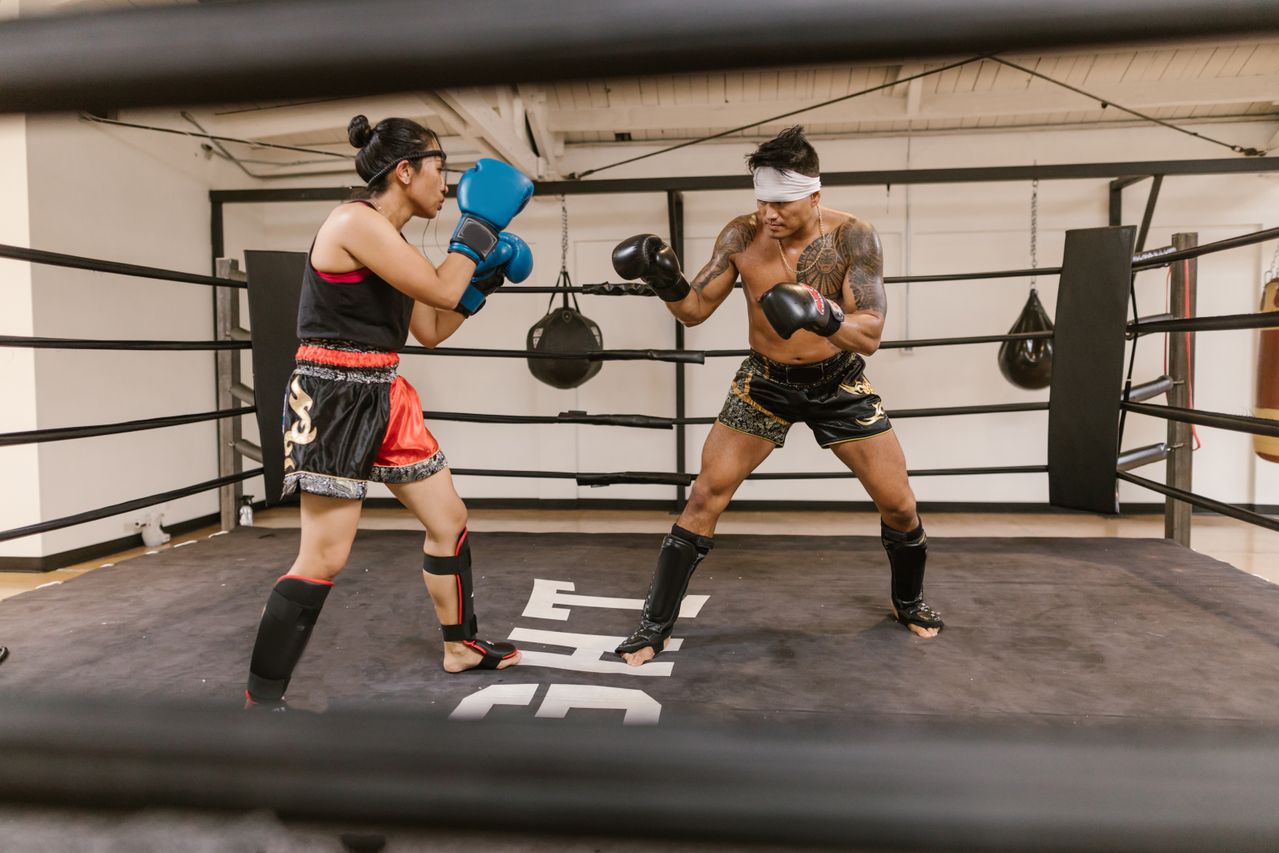
The American boxing gym has always been more than a place to hit bags. It is where fighters learn timing, fear management, discipline, defense, conditioning, and ring identity. It is also where boxing knowledge moves from one generation to the next. Trainers teach what they learned from older trainers. Sparring partners become coaches. Former contenders become mentors. Local amateurs watch professionals work and begin to understand the difference between looking athletic and knowing how to fight.
In the United States, gym culture varies sharply by region. A Philadelphia gym has a different reputation than a Southern California gym. A New York boxing room has a different rhythm than a Midwest club. A Texas fight gym might connect Mexican American, amateur, and professional traditions. A Florida gym might serve local fighters, Cuban influence, Puerto Rican fighters, visiting professionals, and combat-sports crossover athletes. A Las Vegas gym might have local amateurs training near world champions preparing for title fights.
This localism matters. American boxing has no single national style. There are tendencies, but not one system. Some fighters are built around slick defense and counterpunching. Some are pressure fighters. Some come from Olympic-style amateur backgrounds with educated feet and volume. Some are punchers developed in tough professional gyms. Some learn through family boxing traditions. Others come through youth programs designed to keep kids structured and active.
The Golden Gloves tradition has been one of the most important amateur pathways in the country. So have national tournaments, junior programs, collegiate boxing in some pockets, military boxing, and local club shows. Many American fighters first build their identity not in major arenas, but in school gyms, recreation centers, armories, casino ballrooms, and small venues where a few hundred people can sound like a full stadium when the local fighter walks in.
Boxing fitness has also expanded the sport’s reach. Many Americans now encounter boxing through non-competitive training: heavy bags, mitt work, conditioning classes, white-collar boxing, and hybrid combat-sports gyms. That side of the sport does not always feed the professional ranks, but it keeps boxing visible in places where the competitive scene is small. It also creates a wider audience that understands at least part of the physical demand behind the sport.
New York, Philadelphia, Las Vegas, and the Geography of American Boxing
American boxing history is best understood as a map.
New York is the old capital. Madison Square Garden became the sport’s most famous arena, and the city’s boxing culture grew through immigrant neighborhoods, newspaper coverage, local rivalries, and championship nights. Harlem, Brooklyn, the Bronx, Queens, Manhattan, and nearby New Jersey all fed the wider New York fight scene. For generations, fighting at the Garden meant entering boxing’s central theater.
Philadelphia is one of America’s great fighter-producing cities. Its boxing identity is built less around glamour and more around respect. The city became known for hard gyms, tough sparring, educated fans, and fighters who were expected to know how to survive difficult rounds. A Philadelphia fighter did not have to be a world champion to be taken seriously. The city’s boxing reputation has often been tied to craft, grit, and a certain refusal to be impressed by hype.
Las Vegas is the modern event capital. It transformed boxing into a destination economy. The biggest fights became weekends, not just bouts. Casinos, closed-circuit broadcasts, pay-per-view, celebrity crowds, and international tourism made Las Vegas the place where boxing could feel like a global summit. Caesars Palace, the MGM Grand, T-Mobile Arena, and other venues became associated with the sport’s biggest commercial nights.
Los Angeles has a different kind of importance. It is a media city, a Mexican American boxing city, a training hub, and a gateway for international fighters. Southern California boxing connects gyms, promoters, television, Hollywood visibility, and a deep fight culture shaped heavily by Latino communities. Many fighters from Mexico, Central America, and elsewhere have used Los Angeles as a professional base or proving ground.
Detroit’s Kronk Gym gave American boxing one of its most recognizable gym identities, especially through Emanuel Steward and fighters such as Thomas Hearns. The Midwest more broadly has produced champions, contenders, and tough local boxing cultures from Michigan, Ohio, Illinois, Missouri, and beyond. The South has its own deep imprint through fighters from Kentucky, Florida, Georgia, Alabama, Louisiana, Texas, and other states. The American boxing map is not balanced, but it is extensive.
That geography is one reason the United States remains so important to boxing. The country can produce a fighter from a major city, a military family, a rural town, a border community, a casino circuit, or a neighborhood gym and still connect that fighter to the same national market.
Amateur Boxing, the Olympics, and the Professional Pipeline
The United States has a complicated relationship with amateur boxing. At times, it has been one of the strongest Olympic boxing nations in the world. At other times, its amateur system has struggled to keep pace with countries that have more centralized development structures.
American Olympic boxing has produced major stars. Muhammad Ali, then Cassius Clay, won Olympic gold before becoming the most famous boxer in history. George Foreman, Sugar Ray Leonard, Oscar De La Hoya, Andre Ward, Claressa Shields, and others used Olympic success as a platform for broader careers. Olympic boxing gave American fighters visibility, credibility, and international experience before they turned professional.
The challenge is that American boxing has often been pulled between amateur development and professional opportunity. In countries with state-backed systems, fighters may remain amateurs longer and compete internationally for years. In the United States, a talented fighter may turn professional earlier because the commercial path is more attractive. That can produce great professionals, but it can also make the national amateur program less consistent.
Still, the amateur structure remains vital. Local clubs teach fundamentals. Regional tournaments identify talent. National events create rankings and opportunities. Olympic qualification gives elite amateurs a target. Youth boxing introduces discipline, conditioning, and competition before fighters are physically or emotionally ready for the professional game.
Women’s amateur boxing has become especially important. Claressa Shields’ Olympic success gave the United States one of its most important modern boxing achievements and helped push women’s boxing into a stronger position. American women continue to use amateur competition as a way to build visibility in a professional market that has not always offered enough depth, money, or promotional attention.
The professional pipeline is therefore uneven but powerful. The United States may not always dominate Olympic boxing the way it once did, but it remains one of the most important places for turning elite amateurs into professional attractions.
Professional Boxing in the United States Is a Business Ecosystem
Professional boxing in the United States is not one league with one schedule. It is an ecosystem. Promoters, managers, athletic commissions, television networks, streaming platforms, sanctioning bodies, casinos, local venues, trainers, matchmakers, and gyms all shape the careers of fighters.
This structure creates opportunity and confusion at the same time. A fighter can rise through small shows, regional belts, undercards, prospect showcases, and televised fights. But the path is not always linear. Matchmaking matters. Promotional backing matters. Television slots matter. Marketability matters. Weight class timing matters. A fighter’s career can be shaped as much by business alignment as by talent.
American boxing has been home to some of the most powerful promoters in the sport’s history. Figures such as Tex Rickard, Mike Jacobs, Don King, Bob Arum, Lou DiBella, Al Haymon, Oscar De La Hoya, and many others have influenced how fights are made, sold, and remembered. The promoter’s role in American boxing is unusually important because boxing is fragmented. There is no single season, draft, playoff, or governing league. The biggest fights happen when enough sporting, financial, political, and broadcast interests line up.
The United States also helped create the modern pay-per-view model. Major fights became premium purchases, especially from the late twentieth century onward. Mike Tyson, Evander Holyfield, Oscar De La Hoya, Floyd Mayweather Jr., Manny Pacquiao, Canelo Álvarez, and others became central to an era when the boxing audience gathered around massive event nights. Even when the fighter was not American, the American market often supplied the platform.
At the local level, professional boxing remains dependent on smaller shows. Not every fighter is developed on television. Club boxing, regional cards, casino events, and undercards give prospects rounds and give journeymen work. Those shows are the connective tissue of the sport. Without them, the championship level has no base.
Race, Immigration, and Identity in American Boxing
American boxing has always been connected to identity. That does not mean every fight is symbolic, but the sport has repeatedly reflected the country’s conflicts, migrations, and ambitions.
Black American fighters shaped the sport at every level, often while facing exclusion, hostility, and unequal treatment. Jack Johnson’s championship reign challenged the racial order of his time. Joe Louis became a national hero in a different but still deeply segregated America. Muhammad Ali turned the heavyweight championship into a platform for religious identity, antiwar protest, racial pride, and global politics. Later fighters carried different versions of that legacy through changing eras of media and celebrity.
Immigrant and ethnic communities also made boxing their own. Irish American boxing shaped early urban fight culture. Jewish fighters were central to boxing’s first half of the twentieth century. Italian American fighters became major figures in several eras. Mexican American boxing has become one of the strongest and most durable parts of the U.S. fight scene, especially in California, Texas, Arizona, Nevada, and other states. Puerto Rican fighters and fans have made New York, Florida, and other American markets part of a broader island-mainland boxing culture.
This matters because boxing is one of the sports where representation can feel immediate. A fighter enters the ring alone, but rarely carries only himself or herself. Flags, walkout music, languages, neighborhoods, surnames, and fighting styles all become part of the presentation. American boxing has always understood that. Promoters have sold it. Fans have felt it. Fighters have lived it.
The result is a national boxing culture that is not purely national. The United States is a boxing country, but it is also a stage where Mexican, Puerto Rican, Cuban, Filipino, Irish, British, Ukrainian, Dominican, Kazakh, Uzbek, Japanese, and many other boxing identities meet the American market.
The Current Shape of Boxing in the United States
Modern boxing in the United States is no longer the mainstream sports giant it was during some earlier heavyweight eras, but it remains deeply important. The audience is more fragmented. Major fights still command attention, but week-to-week boxing competes with the NFL, NBA, MLB, college sports, UFC, social media, streaming entertainment, and a crowded combat-sports marketplace.
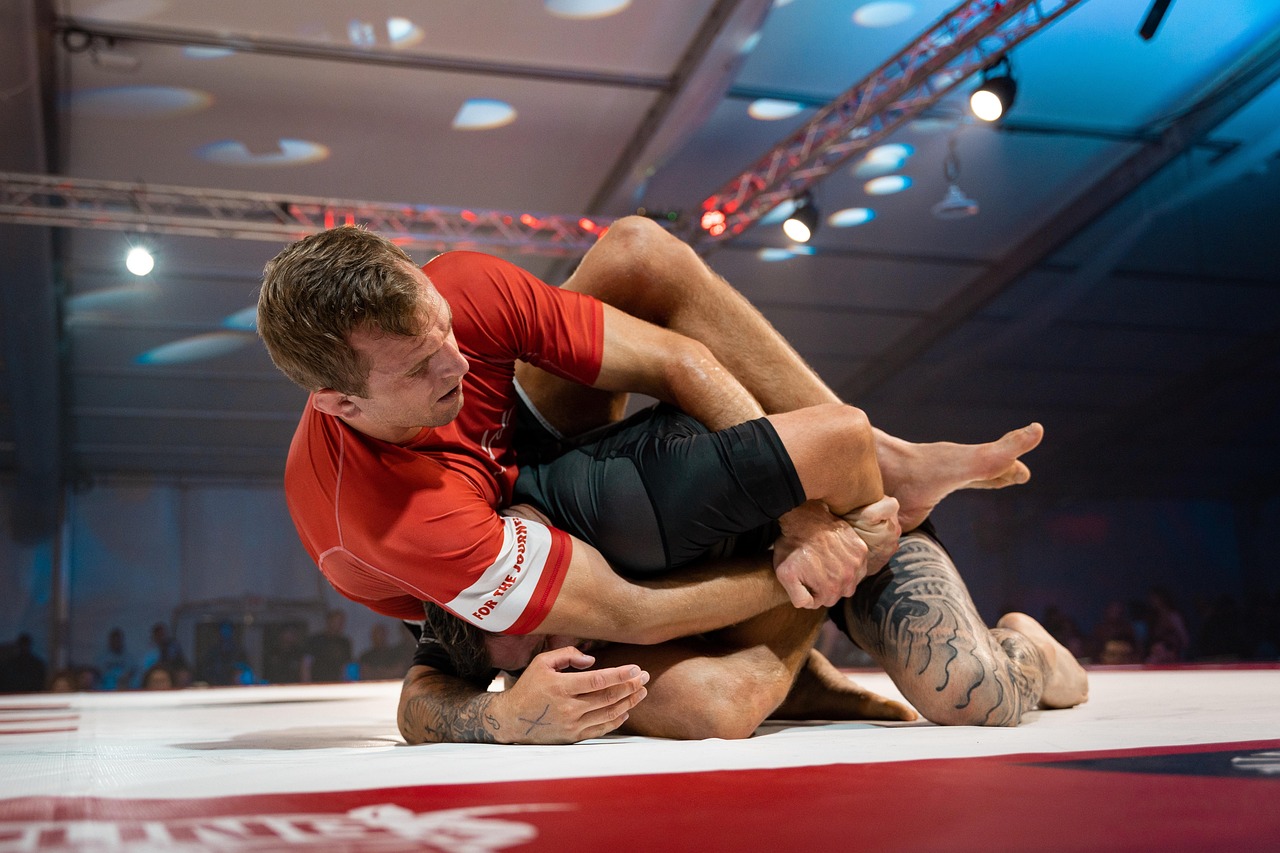
MMA has changed the environment. Some young athletes who might once have entered boxing now choose mixed martial arts, wrestling, kickboxing, jiu-jitsu, or hybrid combat-sports gyms. At the same time, boxing remains the striking foundation many combat athletes respect most. Its footwork, distance control, timing, punching mechanics, and defensive craft still hold a specific prestige.
The sport also has new routes to visibility. Streaming platforms have changed how fans watch fights. Social media has allowed fighters to build audiences without waiting for traditional broadcasters. Crossover boxing has brought new viewers, even while dividing boxing purists. Influencer fights, celebrity bouts, and novelty events have sometimes blurred the line between boxing as sport and boxing as content, but they have also reminded promoters that personality and distribution matter.
At the serious competitive level, the United States continues to produce elite fighters across divisions. The heavyweight division is no longer exclusively American territory, and many lower divisions have become increasingly global, but American fighters remain central to the sport’s championship landscape. The country’s depth, gym infrastructure, media market, and professional opportunities continue to make it one of boxing’s essential nations.
Women’s boxing is one of the most important growth areas. American fighters have pushed for better promotion, deeper cards, stronger pay, and more consistent visibility. The rise of women’s boxing internationally has also created better matchups and clearer stakes. For the United States, this is not a side story. It is one of the areas where the sport’s future can expand beyond old assumptions about the boxing audience.
Why the United States Still Matters to World Boxing
The United States matters to world boxing because it combines history, money, infrastructure, and myth. It has produced many of the sport’s most famous fighters, but its importance goes beyond domestic talent. It remains one of the places where international fighters seek validation, where major events become global products, and where boxing’s commercial machinery is most visible.
A fighter can become great outside the United States. Many have. But fighting in the American market can still change a career’s scale. Madison Square Garden, Las Vegas, Los Angeles, and major U.S. broadcasts carry symbolic and financial weight. For generations, fighters from around the world have treated American exposure as a step toward broader recognition.
The country’s boxing future will not look exactly like its past. Heavyweight boxing is more global. Olympic systems elsewhere are stronger than they once were. The professional market is shared with the United Kingdom, Saudi Arabia, Japan, Mexico, and other major boxing centers. American sports fans have more entertainment options than ever. The old model of boxing dominating national attention through a small number of superstar heavyweights is not easy to recreate.
But American boxing has never depended on only one thing. When the heavyweight division slows, another weight class rises. When one city cools, another becomes active. When television changes, promoters search for new platforms. When old gyms close, new rooms open in fitness centers, community clubs, converted warehouses, and mixed martial arts facilities. The sport survives because it has roots in both spectacle and local discipline.
The United States remains one of boxing’s central countries because it holds both extremes: the small gym and the global event. A young fighter can learn to slip a jab in a neighborhood room, and years later a world title fight can be built into a Las Vegas week watched across continents. That distance between the first round of sparring and the championship spotlight is the American boxing story.
The Future of Boxing in the United States
The future of boxing in the United States will depend on whether the sport can keep its local base strong while adapting to a changed media world. It needs gyms that develop real fighters, amateur programs that teach fundamentals, promoters willing to build prospects properly, and platforms that make important fights accessible. It also needs to keep making the fights that matter. American boxing fans have always tolerated showmanship, but they respond most strongly when risk, rivalry, and consequence are real.
Youth boxing remains essential. In many communities, boxing still offers structure, mentorship, and a demanding athletic outlet. The sport asks for patience in a culture that often rewards quick attention. That is part of its value. A fighter cannot fake conditioning under pressure. A young boxer has to learn repetition, control, defense, and composure. Those lessons remain powerful, whether or not the fighter becomes a professional.
The professional side will continue to evolve. Las Vegas will remain important, but it will share the global stage with other major markets. New York and Los Angeles will remain central to boxing identity and media. Smaller cities will continue to produce fighters because boxing has never belonged only to glamorous places. The American scene will be strongest when it respects all of those layers.
The United States is not simply a boxing country because it has famous champions. It is a boxing country because the sport has been absorbed into its cities, conflicts, immigrant stories, business models, and athletic imagination. From Ali to Mayweather, from Madison Square Garden to Las Vegas, from Golden Gloves nights to title fights, from old neighborhood gyms to modern performance centers, American boxing remains one of the sport’s defining forces.
Its identity is not clean or centralized. It is noisy, commercial, historic, uneven, and still alive. That is exactly why it continues to matter.