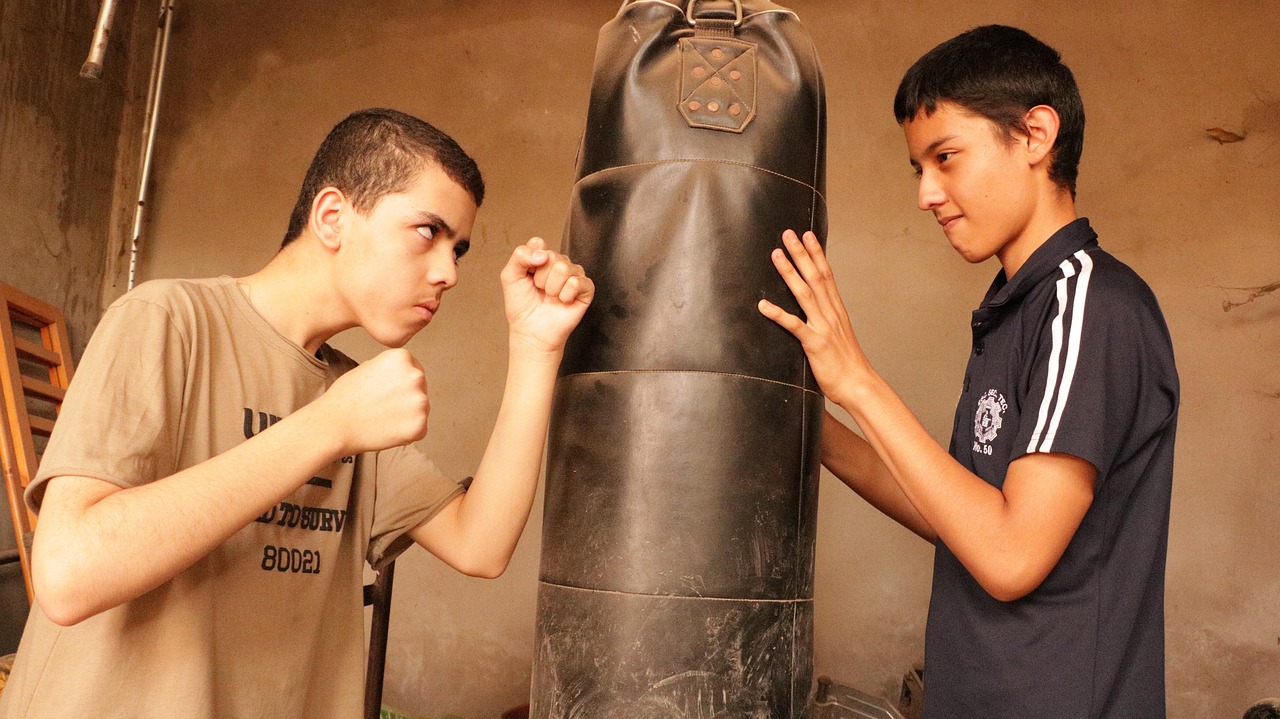
Angola’s MMA identity is still developing, but the country has already produced one of the most recognizable African-born fighters in the modern lighter-weight divisions: Manel Kape. His career gives Angola a clear connection to high-level MMA even though the domestic scene remains smaller and less structured than the country’s boxing, football, basketball, and general combat-sports culture. Angola is not yet a deep MMA market, but it has the ingredients that matter: athletic talent, a Lusophone connection to Portugal and Brazil, regional access through southern Africa, and a combat-sports base that can feed future fighters.
The country’s strongest combat-sports roots are not originally MMA-specific. Boxing has historically been more visible, and judo, taekwondo, karate, and kickboxing have all had roles in shaping martial arts participation. Angola’s Portuguese-language connections are also important. Through Portugal, Brazil, and Lusophone communities abroad, Angolan athletes can access Brazilian jiu-jitsu, kickboxing, and MMA training environments that may not be as deeply available at home. That international link is one of Angola’s biggest assets because modern MMA rewards athletes who can combine disciplines early and train with experienced coaches.
Manel Kape is the most important name in Angola’s MMA story. Born in Luanda and later developed through Portugal and international competition, Kape became known to global fans through Rizin before entering the UFC flyweight division. His style brought attention because it was explosive, fast, confident, and technically dangerous. Kape’s success matters beyond his individual record. He showed that an Angolan-born fighter could reach elite stages in a sport where African representation has often been associated more with Nigeria, Cameroon, South Africa, and a handful of diaspora athletes than with Angola specifically.
Kape also represents the reality of Angolan MMA development: the most successful path currently runs through international systems. Angola may produce athletes with physical talent and fighting instinct, but the highest levels of the sport require specialized wrestling, cage grappling, submission defense, nutrition, sports science, and experienced corner work. Fighters who want to reach that level often need to train abroad or connect with teams in Portugal, Brazil, South Africa, or other established markets. That does not weaken Angola’s claim to MMA talent. It explains how the country’s fighters are most likely to emerge.
Southern Africa is important to Angola’s future MMA pathway. South Africa has one of the continent’s more developed MMA infrastructures, with regional promotions, gyms, and professional experience that can serve fighters from neighboring or nearby countries. Angola’s own scene can benefit from that regional network if athletes can access competition and coaching. The same is true of Portugal, where language and migration ties can make the transition smoother for Angolan fighters than it might be in unrelated markets.
Inside Angola, the sport is still building visibility. MMA competes for attention with more established sports, and it requires a more complex support system than traditional striking or Olympic martial arts. A boxing gym can operate with fewer resources than a full MMA team. A taekwondo or judo club can develop athletes through federation structures. MMA needs all of that plus cage time, cross-training, safe sparring, medical standards, refereeing, matchmaking, and enough opponents to create real progression. For a developing scene, those are significant barriers.
Still, Angola has a credible upside. The country has a young population, a strong sporting culture, and international ties that can help its fighters bypass some local limitations. The rise of African MMA as a broader category also helps. As more fans look beyond the traditional U.S., Brazilian, Russian, and Western European pipelines, fighters from countries like Angola have more room to define new identities in the sport.
Angolan MMA today is not a finished system. It is a scene with one major international reference point, a combat-sports foundation, and several possible growth routes. If more athletes can connect local training with Lusophone and southern African fight networks, Angola could become a more visible contributor to African MMA. For now, its place in the sport is best described as promising but still narrow: led by breakthrough talent, strengthened by international connections, and waiting for deeper domestic infrastructure to catch up.