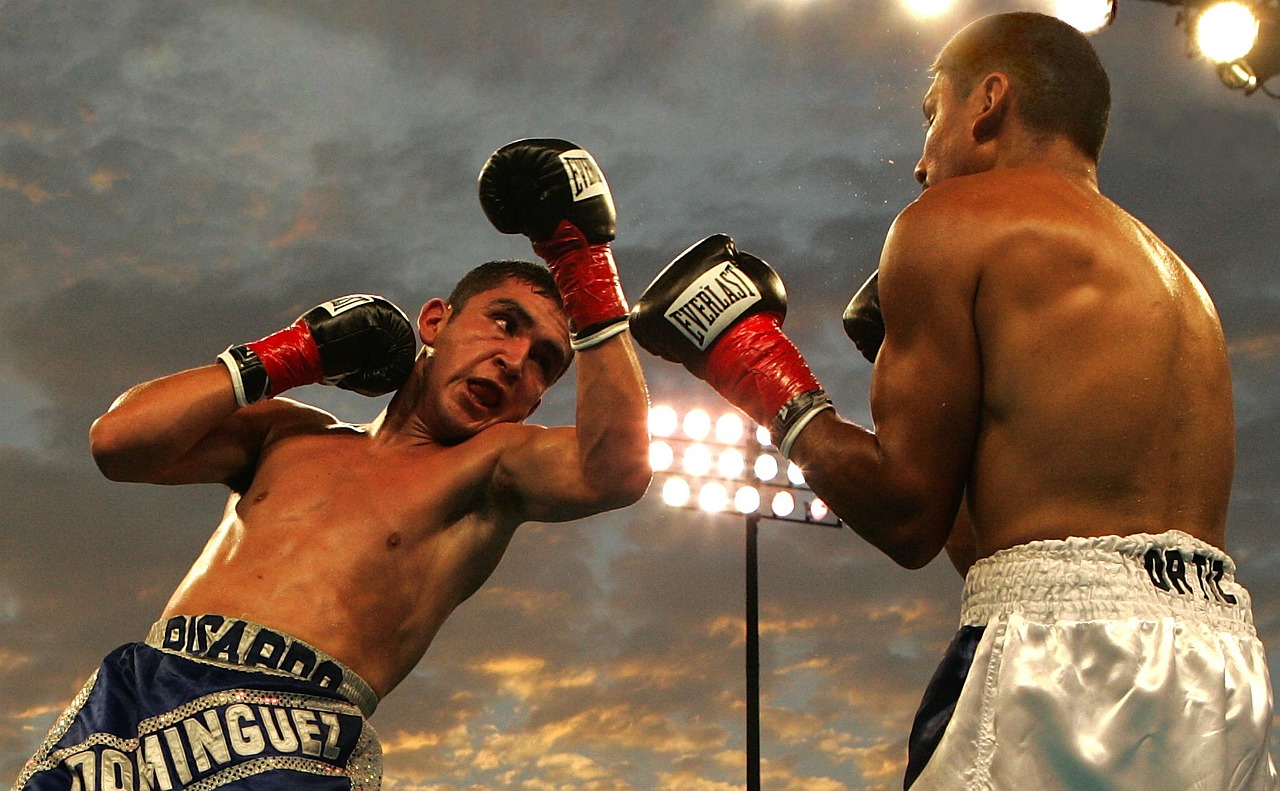
Boxing in Mauritius has a rare kind of national weight because the sport is tied directly to the country’s Olympic history. Mauritius is not one of the world’s largest boxing nations, and it does not produce the endless professional pipeline associated with Mexico, the United States, the United Kingdom, or Japan. Its boxing identity is different. It is a small-island amateur boxing culture that has repeatedly used regional, Commonwealth, African, and Olympic competition to punch above its size.
The defining figure is Bruno Julie. His bronze medal in the bantamweight division at the 2008 Beijing Olympics made him Mauritius’ first and only Olympic medalist, turning boxing into one of the most important sports in Mauritian Olympic memory. For many countries, an Olympic boxing medal is one achievement among many. For Mauritius, Julie’s medal became a national sporting landmark, proof that a fighter from a small Indian Ocean nation could move through the highest level of amateur boxing and stand on the same podium as athletes from far larger boxing systems.
Mauritius’ boxing reputation is built more through amateur achievement than professional prizefighting. The island has produced fighters who made their names at the Commonwealth Games, African Championships, All-Africa Games, and Indian Ocean Games. That gives Mauritian boxing a regional tournament identity: fighters are measured by how they perform against African, Commonwealth, and island-region opposition before they reach the global Olympic stage.
Louis Richarno Colin is central to that modern story. Colin competed across multiple editions of the Commonwealth Games and All Africa Games, winning a Commonwealth bronze in 2010, an All Africa Games gold in 2011, and later adding further international results that kept him visible as one of Mauritius’ leading boxing figures. His career matters because it shows the continuity after Bruno Julie. Mauritian boxing did not become a one-medal memory and disappear. It continued to send experienced fighters into the regional and continental circuits where smaller nations can build real competitive credibility.
The country’s boxing infrastructure is also more formal than casual observers might expect. The National Boxing Centre in Vacoas, inaugurated in 2003, gives Mauritian boxing a dedicated home with a listed seating capacity of 500 and a clear national facility identity. In a small country, that kind of centralized venue matters. It helps boxing remain visible as a federation sport, not only as private fitness training or informal club activity.
The training culture in Mauritius is shaped by the realities of a compact island system. Fighters need coaching, sparring, regional exposure, and tournament access. They also need to overcome the limited size of the domestic talent pool. That makes international competition essential. A promising Mauritian boxer cannot develop only by beating the same local opponents. The pathway has to lead outward, toward African championships, Commonwealth events, Indian Ocean competitions, and Olympic qualification tournaments.
Professional boxing exists in Mauritius, but the country’s main identity remains amateur and Olympic-oriented. The creation and activity of professional boxing organizations may give fighters, coaches, and officials more options, but Mauritius’ strongest boxing story is still built around national representation. The boxers who matter most are the ones who wear the flag in multi-sport events and turn a small national program into a visible regional force.
The future of boxing in Mauritius depends on whether the country can turn its strongest examples into a wider development chain. Bruno Julie gave Mauritian boxing its historic summit. Richarno Colin helped carry the standard into the next era. The National Boxing Centre gives the sport a base. The next step is depth: more youth fighters, more women’s participation, more coaches, more regular events, and more chances for Mauritian boxers to test themselves abroad.
Mauritius will probably never be a volume-based boxing power. Its place in the sport is more specific and more compelling than that. It is a country where one Olympic bronze medal changed the national meaning of boxing, and where every serious fighter now operates in the shadow and inspiration of that breakthrough.