Istanbul boxing sits at the meeting point of continents, cultures, and combat traditions. The city is not only Turkey’s largest urban center; it is also one of the natural places where Turkish boxing connects to Europe, Asia, the Balkans, the Caucasus, and the Middle East. Boxing in Istanbul has a different rhythm from boxing in countries where the sport dominates the national imagination. It shares space with football, wrestling, kickboxing, taekwondo, and other combat sports. That competition for attention has shaped Istanbul’s boxing identity into something specific: a serious urban fight scene built through clubs, amateur development, national-team pathways, and occasional professional breakthroughs.
Turkish boxing has long had a stronger amateur and international tournament identity than a massive professional prizefighting culture. That matters for Istanbul because the city functions as a training, competition, and administrative center for many sports. Fighters coming through Istanbul are often connected to clubs, federated competition, youth development programs, and regional tournaments before they think about professional careers. The sport’s structure is more technical and institutional than purely promotional. Boxing is not only about selling tickets; it is about building athletes who can compete in European, Mediterranean, Balkan, and Olympic-style environments.
One of the most important figures in Turkish boxing history is Cemal Kamacı, who became a symbol of what Turkish professional boxing could be. His success gave Turkish fans a model of international boxing achievement at a time when the sport was still trying to define its place. Later Turkish fighters continued that effort in different divisions and different eras, including names such as Sinan Şamil Sam, a heavyweight who brought visibility to Turkish boxing, and Avni Yıldırım, whose career connected Turkey to major international professional stages. These fighters matter because Turkey has not always had a deep professional boxing pipeline compared with the sport’s traditional powers. When Turkish boxers break through, they carry extra symbolic weight.
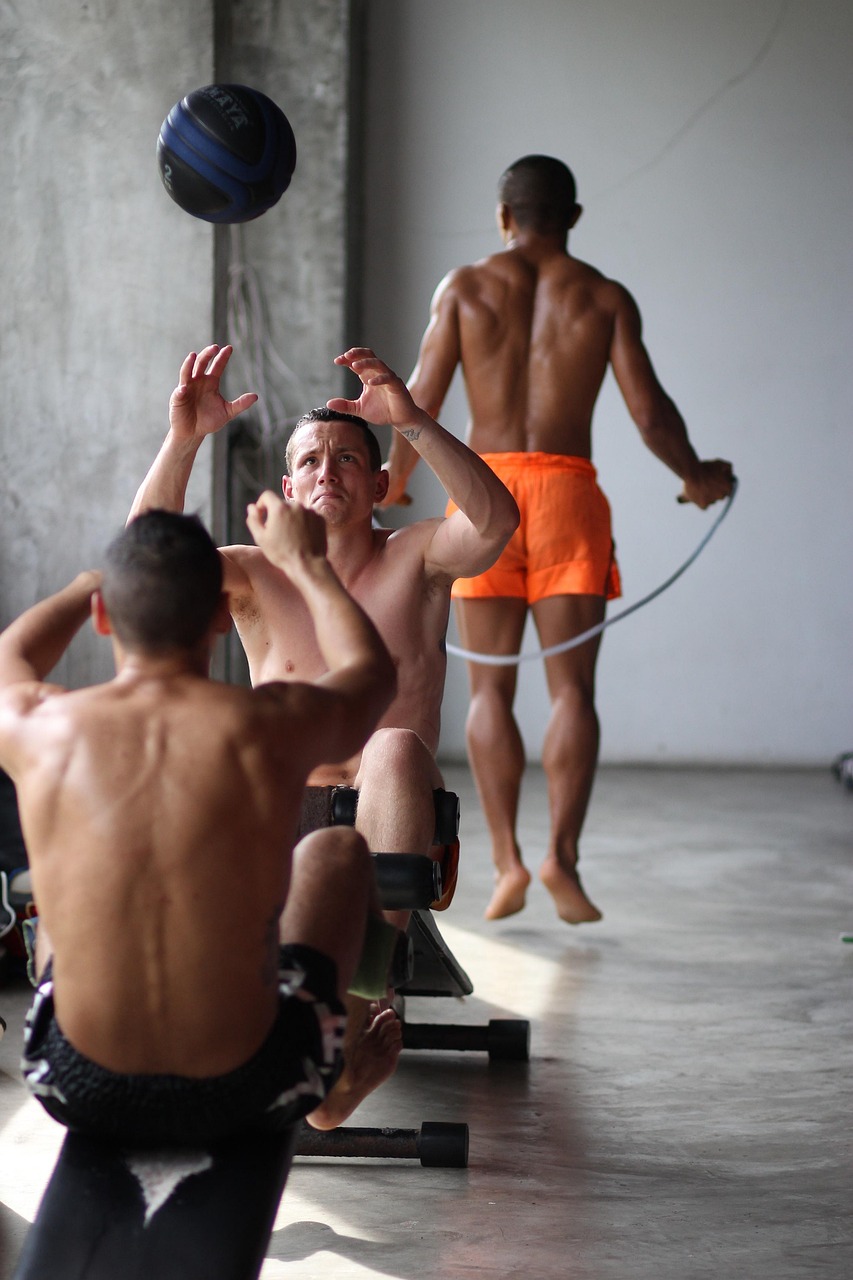
In Istanbul itself, boxing is part of a broader combat-sports ecosystem. A young athlete may be choosing among boxing, kickboxing, wrestling, taekwondo, or mixed martial arts influences. That crossover can be a challenge because boxing has to fight for attention, but it can also be an advantage. Athletes in Istanbul often grow up in a culture that respects combat discipline. Footwork, toughness, hand speed, conditioning, and competitive seriousness are not foreign concepts. Boxing gyms and clubs can draw from that larger fight culture while still teaching the specific demands of the ring.
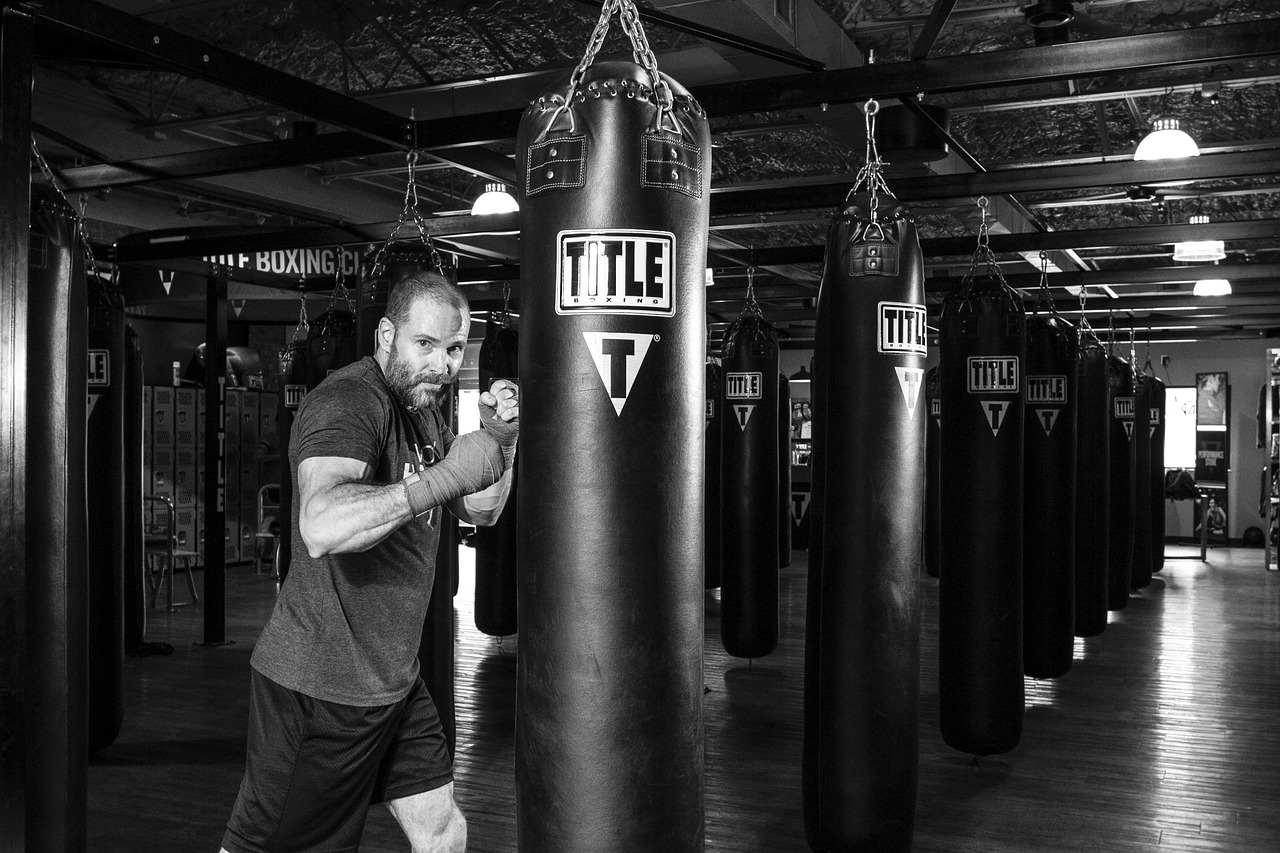
The city’s training environment is shaped by both traditional clubs and modern fitness-oriented boxing spaces. Like many major global cities, Istanbul has seen boxing expand beyond competitive athletes. White-collar boxing, fitness boxing, and recreational training have become part of the sport’s urban presence. But the competitive side remains distinct. Serious boxing still requires sparring, amateur bouts, licensed coaching, and a willingness to enter tournaments where style and discipline are tested. Istanbul’s best contribution to Turkish boxing is not simply that people train there. It is that the city can connect athletes to higher levels of competition.
Amateur boxing remains central to Istanbul’s importance. Turkey’s international boxing ambitions depend on clubs and coaches who can identify talent early and develop fighters through national championships and international events. Istanbul’s size gives it a deep talent pool, but talent alone does not create boxers. Fighters need technical correction, competitive rounds, and coaches who understand how to prepare athletes for different styles. European boxing, Central Asian boxing, and Balkan boxing all bring different pressures. Turkish fighters have to be adaptable.
Professional boxing in Istanbul has room to grow. The city has the population, arenas, media market, and sporting culture to support more significant boxing events. The question is whether professional boxing can build consistent promotional momentum. Turkey has produced fighters capable of reaching international stages, but a deeper domestic pro circuit would help keep athletes active and visible. Istanbul is the obvious place for that growth because it can host events with both local and international appeal.
The future of boxing in Istanbul depends on connecting three layers: amateur development, professional opportunity, and public visibility. The city already has the sporting infrastructure and combat-sports appetite. Its next step is turning boxing from an occasional international story into a more regular part of the city’s sports identity. Istanbul boxing is not a finished product. It is a strategic fight market with history, talent, and room to become much more prominent.