Vienna’s boxing identity is not built on mass-market prizefighting or a deep roster of global champions. It is a smaller European boxing scene where the city matters as Austria’s training and event center. Boxing in Vienna sits between tradition and modern rebuilding: older Austrian fight history gives the sport cultural memory, while contemporary clubs, local shows, and crossover combat-sports spaces keep the scene active. The result is a city where boxing survives through committed gyms and specific personalities rather than through a large professional industry.
Austrian boxing history has a few names that still shape how the sport is remembered, and Hans Orsolics remains one of the most important. Orsolics became a major Austrian boxing figure in the 1960s and 1970s, winning European titles and becoming a broader cultural figure after his boxing career. His life story, including early success, later struggles, and public reemergence, made him more than a fight-record name in Austria. For Vienna, that legacy matters because Austrian boxing has often depended on a few magnetic figures to keep the sport visible to the public.
Modern Vienna boxing is closely associated with the Nader boxing family and the Bounce boxing scene. Marcos Nader became one of Austria’s best-known modern professional boxers, and Vienna has repeatedly served as a stage for his fights and for Bounce Fight Night events. Nader’s 2013 European Union middleweight title win over Roberto Santos in Schwechat, just outside Vienna, was significant because it gave Austria a visible professional titleholder in a period when elite Austrian pro boxing was relatively thin.
The Bounce ecosystem also shows how Vienna boxing has blended professional ambition with club-based development. Nicole Wesner, who trained at Boxclub Bounce in Vienna-Ottakring, became one of the prominent women’s boxing figures connected to the city. Reports from Vienna noted that she trained in the same Bounce environment as Marcos Nader, and later coverage of Bounce Fight Night showed women’s boxing sharing the professional stage with men’s bouts. That matters in a city where boxing’s visibility is not constant; women’s title fights and local fight nights help broaden the audience beyond the traditional male professional scene.
Vienna’s fight calendar is not as dense as the major boxing cities of Western Europe, but it has hosted meaningful professional cards. In 2023, Bounce Fight Night in Vienna included Marcos Nader fighting for the vacant IBF International title, Michaela Kotaskova winning a WBF Intercontinental title, and Nicole Wesner defending a WBF lightweight world title. Those events illustrate Vienna’s current boxing role: it can stage credible professional nights, especially when local or Austria-based fighters give the card a recognizable identity.
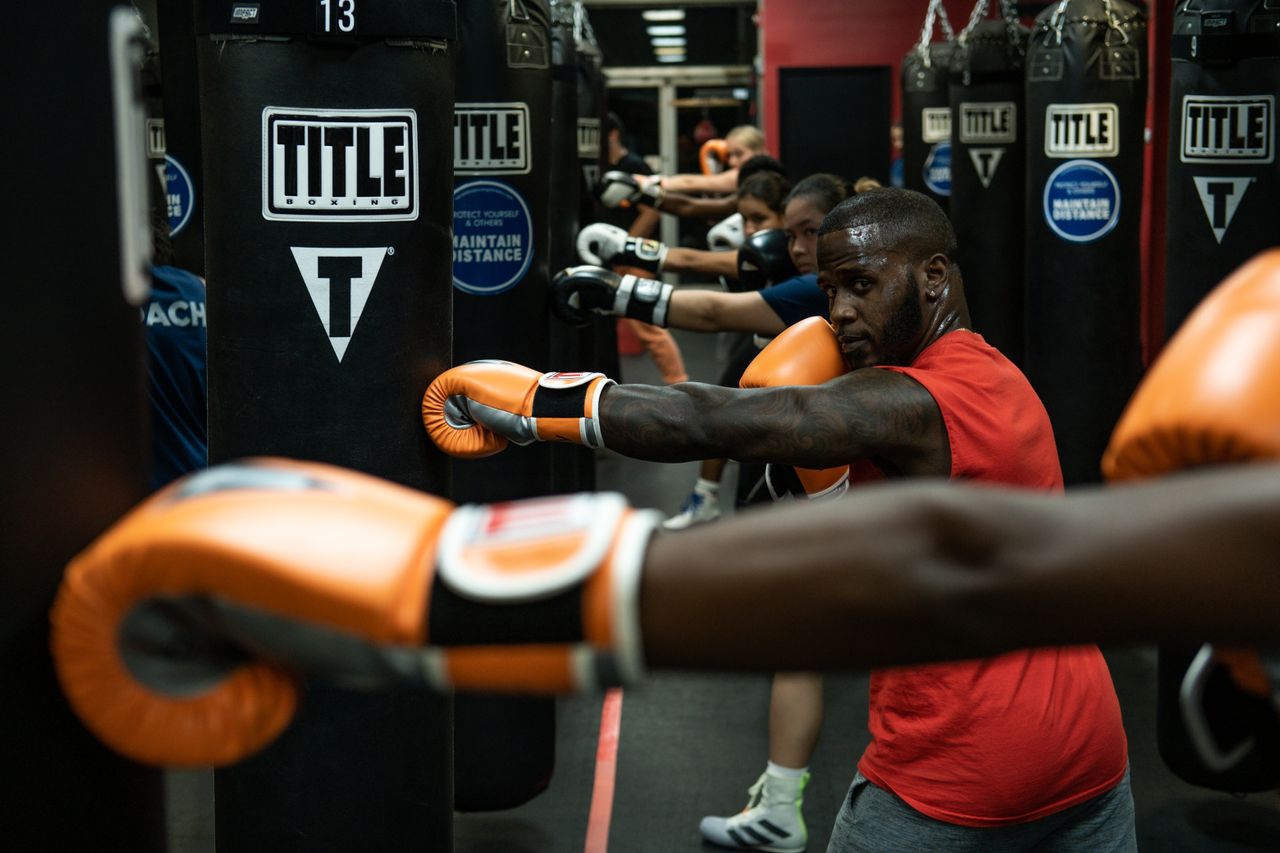
The gym culture in Vienna is also tied to the wider combat-sports environment. Boxing competes for space with kickboxing, MMA, Muay Thai, fitness boxing, and other martial arts, so the sport often grows through clubs that serve both competitive athletes and recreational members. That does not weaken Vienna boxing; it explains it. The city is not producing a constant line of world champions, but it has the training rooms, coaching networks, and event structure to maintain a serious boxing presence.
Vienna’s place in boxing is therefore compact but real. It is Austria’s most visible urban boxing market, a home for notable modern fighters, and a city where the professional scene depends on strong local promotion and recognizable gyms. Its future will likely come from the same mix that sustains it now: club loyalty, women’s boxing, regional European matchmaking, and the ability to make Austrian fighters matter on selected fight nights. Vienna boxing is not oversized, but it has a clear identity as the country’s main stage for keeping the sport publicly alive.