Boxing in Trinidad and Tobago has never been only a participation sport. It has produced world champions, memorable contenders, strong local gym figures, and one of the Caribbean’s most important women’s boxing stories. In a country where cricket, football, athletics, and carnival culture often dominate the sporting conversation, boxing has still carved out a serious identity: small-island toughness with a professional edge.
The country’s boxing reputation is tied closely to fighters who carried Trinidad and Tobago into world-title conversations. Claude Noel remains one of the essential names in Trinbagonian boxing history. Born in Tobago, Noel became WBA lightweight champion and Commonwealth lightweight champion, giving the twin-island nation a global boxing figure at a time when Caribbean fighters often had to travel, wait, and force their way into international opportunity. His career helped prove that Trinidad and Tobago could produce boxers capable of competing beyond the regional level.
Leslie “Tiger” Stewart added another major chapter. His WBA light heavyweight title victory in 1987 gave Trinidad and Tobago another world champion and extended the country’s reputation beyond the lighter divisions. Stewart’s career also reflected the difficult route many Caribbean boxers face: the talent may be local, but the biggest professional opportunities often require movement through North American, British, or regional fight networks. For Trinidad and Tobago fighters, success has often depended on the ability to win at home, build a reputation in the Caribbean, and then perform in front of promoters and audiences abroad.
Women’s boxing gives Trinidad and Tobago one of its most distinctive stories. Giselle Salandy became a national sporting icon not simply because she won, but because of the scale and speed of her rise. She was an undefeated unified world champion at light middleweight, collecting major belts while still very young and becoming one of the most important female boxers the Caribbean has produced. Salandy’s career gave Trinidad and Tobago a rare figure: a fighter whose achievement belonged not only to national boxing history, but to the wider history of women’s boxing.
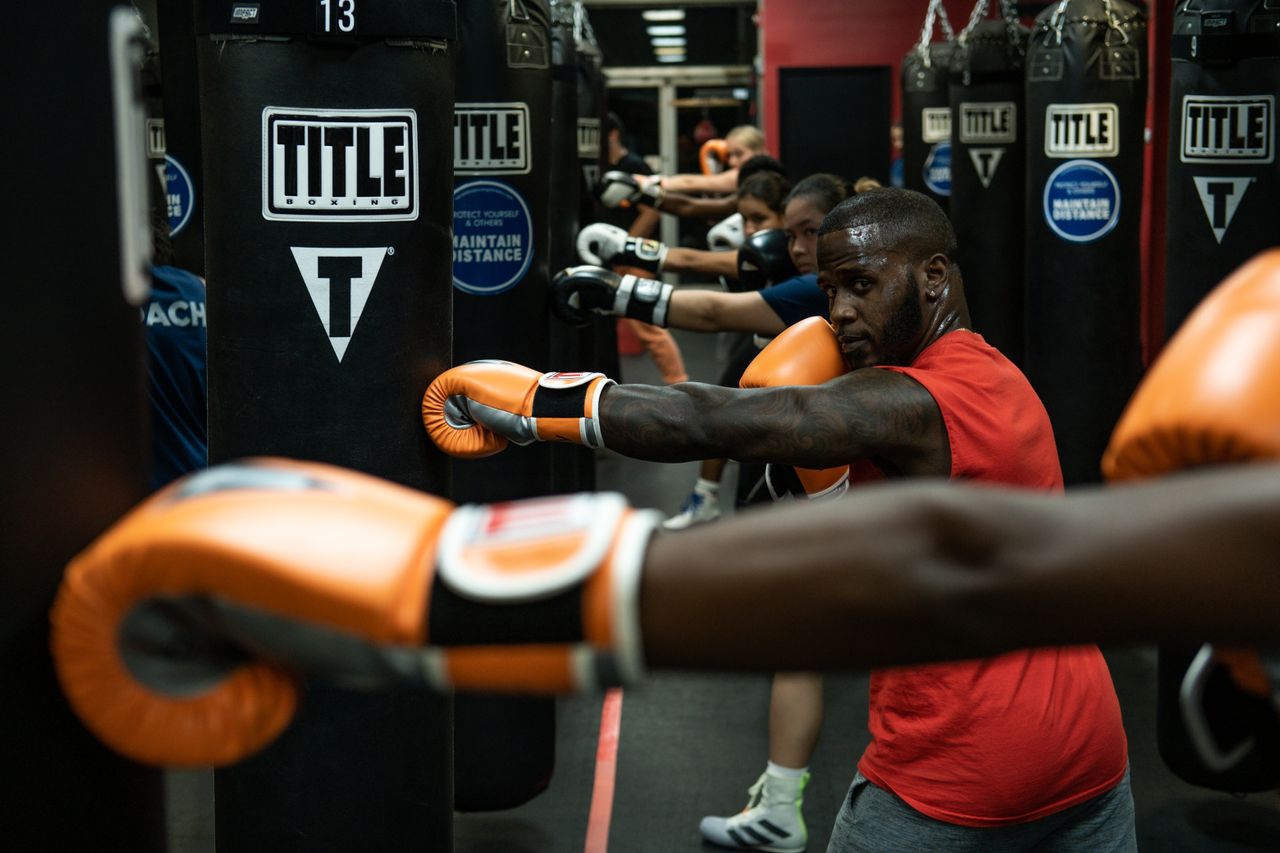
The country’s gym culture has traditionally depended on committed coaches, small clubs, community discipline, and fighters willing to train in modest conditions. Trinidad and Tobago does not have the volume of gyms or professional shows found in major boxing markets, but it has enough boxing memory to keep the sport credible. Training rooms in places such as Port of Spain, San Fernando, Chaguanas, Arima, and Tobago matter because they connect young fighters to a lineage that includes world champions. In a small national scene, that kind of lineage is powerful. A young boxer does not need to imagine boxing as something distant. Trinidad and Tobago has already seen its fighters reach the top.
Amateur boxing remains important because it gives structure to a sport that cannot depend entirely on professional promotions. Local championships, youth development, Caribbean tournaments, and regional competition create the bridge between gym training and international exposure. For many fighters, the amateur system is where they learn pace, discipline, defense, and ring management before deciding whether professional boxing is realistic.
The challenge for boxing in Trinidad and Tobago is consistency. The country has history, champions, and cultural respect for fighting talent, but the sport needs regular events, stronger development pathways, and more visibility for young boxers. Its best moments have shown what is possible. Its future depends on turning those moments into a deeper system.
Trinidad and Tobago boxing is best understood as a champion-producing Caribbean tradition with a limited but meaningful infrastructure. It may not be the largest boxing market in the region, but its place in boxing history is secure because its best fighters did what small-country fighters must do: they made the boxing world pay attention.