Cuba’s MMA identity begins with something larger than MMA itself: the island’s long-standing production of elite combat athletes. The country is not best understood as a dense domestic MMA market with a deep calendar of local cage shows. It is better understood as one of the world’s great combat-sports talent sources, where boxing, wrestling, judo, and taekwondo have created athletes with the physical tools and competitive temperament to succeed once they enter the mixed ruleset.
That distinction matters. Cuban MMA has often developed through migration, adaptation, and opportunity outside Cuba rather than through a large homegrown professional MMA system on the island. The talent base is real, but the professional pathway has usually required fighters to leave, train abroad, and enter international circuits through the United States, Europe, Latin America, or Asia. As a result, Cuban MMA carries a split identity: extraordinary martial athleticism on one side, limited domestic MMA infrastructure on the other.
The most important name in Cuban MMA remains Yoel Romero. Romero’s reputation was built first in freestyle wrestling, where he became one of Cuba’s most decorated athletes before crossing into MMA. His late-career transition into the UFC turned him into one of the sport’s most feared middleweights, not because he represented a conventional MMA gym pipeline, but because he brought world-class explosiveness, balance, timing, and mat awareness into a striking-and-grappling sport that often struggles to absorb athletes of his caliber. His UFC title challenges, dramatic knockouts, and long run near the top of the middleweight division made him the clearest example of how dangerous a Cuban Olympic-level combat athlete can become inside the cage.
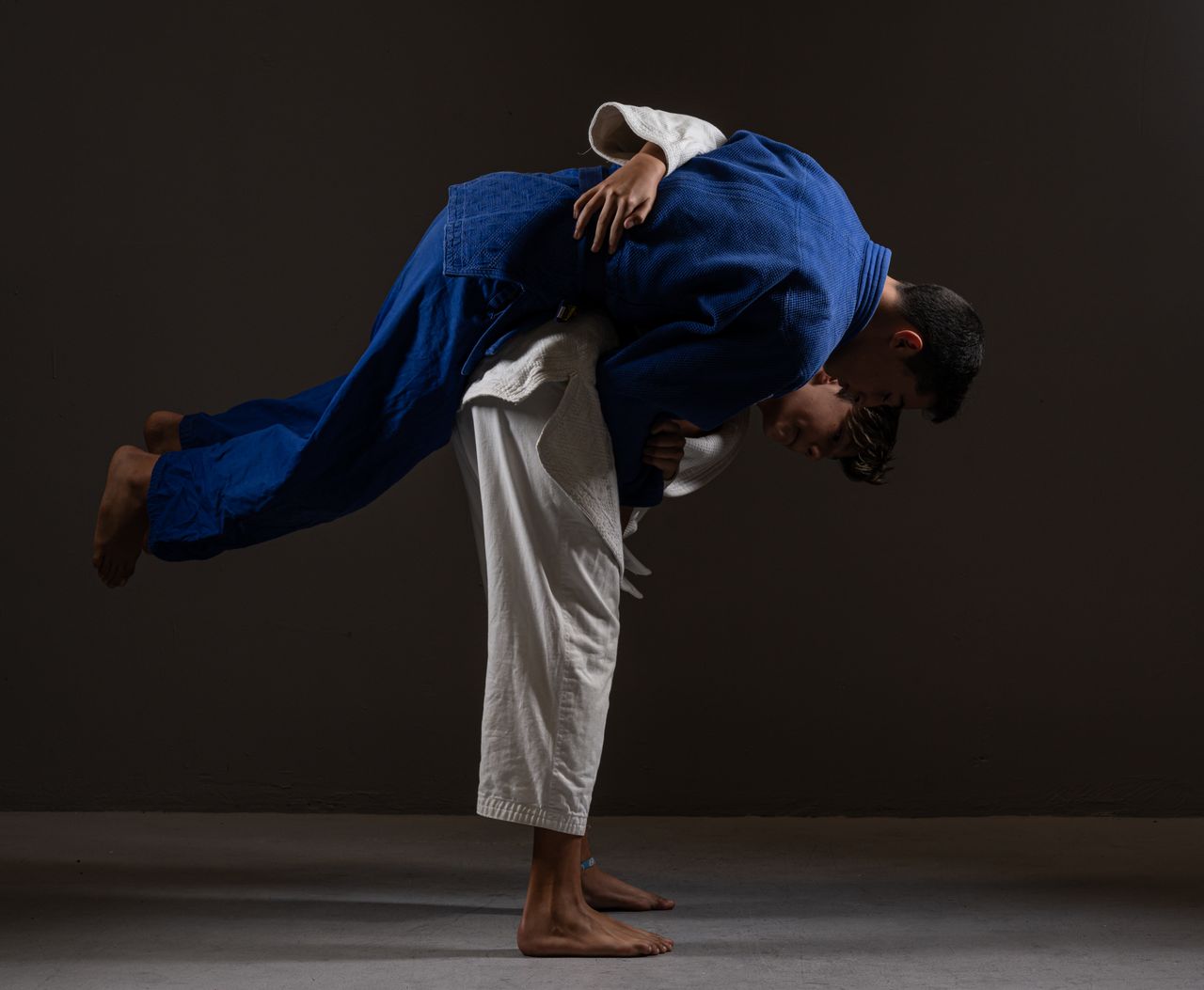
Hector Lombard gave Cuban MMA a different but equally important model. A former Olympic judoka, Lombard entered MMA with the kind of clinch strength, throwing ability, and physical density that made him a problem across multiple promotions. His Bellator middleweight title run, later UFC tenure, and long international career helped establish Cuban fighters as more than just wrestlers or boxers trying a new sport. Lombard represented the judo side of Cuba’s combat-sports machinery, while Romero represented the wrestling side.
The Cuban MMA profile has continued to expand through fighters such as Alexis Vila, Gustavo Balart, Yoislandy Izquierdo, Robelis Despaigne, Yadier del Valle, and others who show how varied the Cuban base can be. Vila, like Romero, came from elite wrestling. Balart built an international career as an undersized but relentless competitor with a strong grappling engine. Despaigne brought Olympic taekwondo credentials into heavyweight MMA, offering a different kind of Cuban crossover story built around distance, kicking power, and rare heavyweight athleticism.
What Cuba does not have, at least compared with established MMA powers, is a fully mature domestic professional MMA ecosystem. The country’s athletes often develop in Olympic-style systems before MMA becomes an option. That can create spectacular individual fighters, but it does not automatically create a broad MMA scene with youth cage-fighting circuits, multiple pro promotions, and a large commercial gym network. Cuban MMA is therefore not a simple story of local gyms feeding local shows. It is a story of elite combat athletes moving into MMA once geography, politics, economics, and professional opportunity allow it.
The training identity is also distinct. Cuban fighters tend to be associated with powerful base disciplines rather than with early all-around MMA specialization. Wrestling, judo, boxing, and taekwondo provide the roots. Once Cuban athletes enter MMA, they must add defensive jiu-jitsu, cage wrestling, submission awareness, calf-kick defense, and round-by-round tactical pacing. The raw material is often exceptional, but the conversion process is demanding.
Cuba’s future in MMA depends less on whether the island can produce fighters and more on whether those fighters can access the right professional development environments. The athletic base is not in question. The challenge is infrastructure, exposure, and transition. When a Cuban fighter reaches the right gym, promotion, and matchmaking pathway, the results can be dramatic. That is why Cuba remains one of MMA’s most fascinating talent countries: not a fully built MMA market, but a combat-sports reservoir capable of sending rare athletes into the global cage.