Charleston’s boxing identity is quieter than that of America’s famous fight cities, but it fits into a wider Southern boxing tradition built around military influence, local gyms, amateur tournaments, and regional fight nights. This is not a place usually discussed as a major boxing capital, yet boxing has a natural home in Charleston because the city sits at the intersection of coastal toughness, military presence, youth athletics, and a growing sports and fitness culture.
Boxing in Charleston works best as a regional development scene. The city does not have the deep professional boxing mythology of Philadelphia, Detroit, New York, or Los Angeles. It has not been defined by a long line of world champions in the same way as some larger markets. Instead, Charleston’s boxing culture is more practical. It is built through gyms, local coaches, amateur fighters, military athletes, and regional competition across South Carolina, Georgia, North Carolina, and the Southeast.
The city’s geography matters. Charleston is a coastal city with a strong military and naval history, and military communities have often helped sustain boxing in the United States. Boxing has long been part of military athletic culture because it rewards discipline, conditioning, courage, and composure under pressure. Even when that influence is indirect, it helps explain why boxing can remain relevant in cities with bases, veterans, and service-connected families.
Charleston’s boxing scene also reflects the broader South Carolina sports environment. Football dominates much of the public imagination, basketball has deep participation, and baseball has long roots. Boxing has to compete for attention. That does not make it insignificant. It means the sport often grows through dedicated subcultures rather than mainstream visibility. The people who seek boxing in Charleston are usually looking for something specific: real training, hard conditioning, self-defense, amateur competition, or a more disciplined alternative to ordinary fitness.
The most important boxing infrastructure in Charleston comes through gyms and coaches. In a city without a constant stream of major professional fight cards, the gym becomes the center of the sport. Good boxing gyms serve multiple audiences at once. They train serious amateurs, prepare professionals or aspiring professionals, teach beginners, offer fitness classes, and provide structure for young athletes. That layered role is especially important in smaller boxing markets, where every committed coach helps preserve the sport.
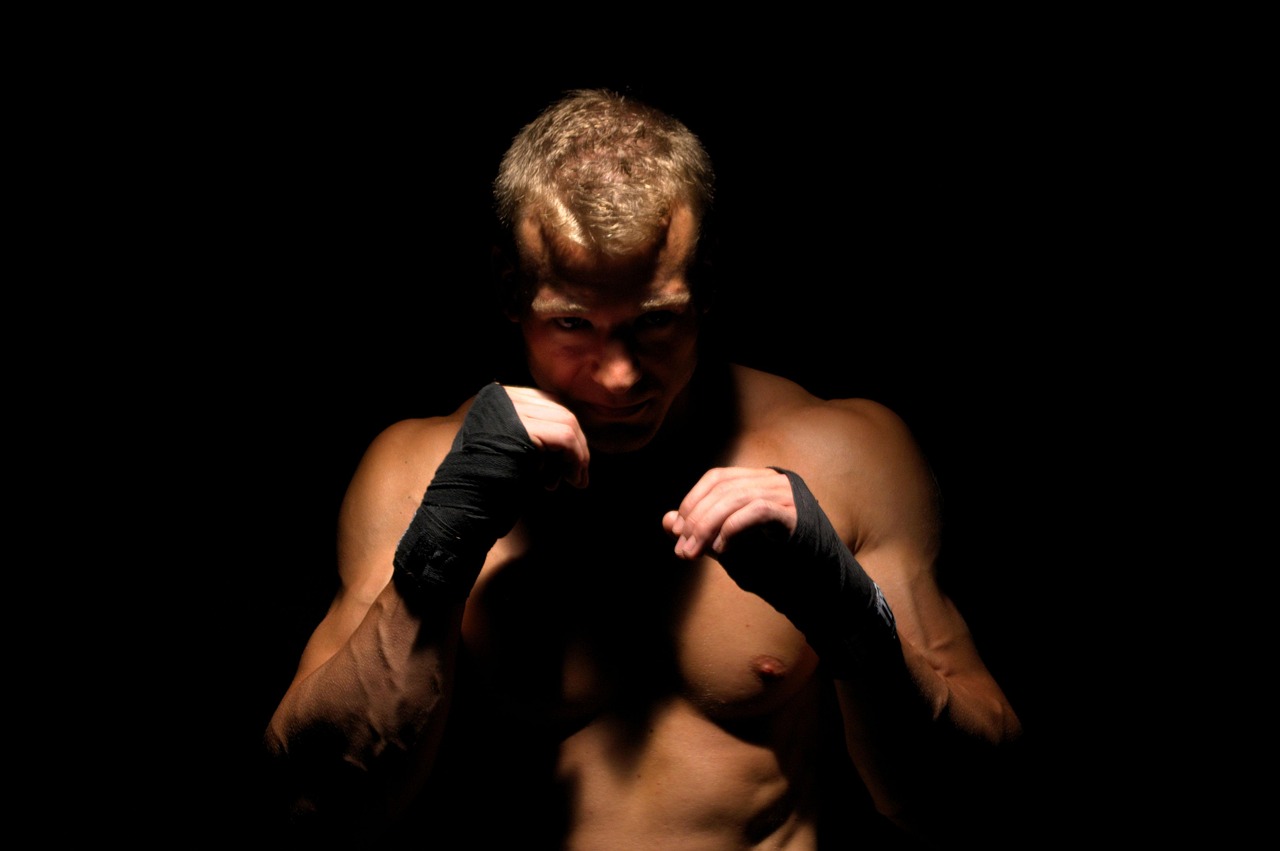
Amateur boxing is the clearest competitive pathway for Charleston fighters. Local athletes can develop through club shows, regional tournaments, and state-level competitions before testing themselves across the Southeast. For young boxers, this amateur route matters more than hype. It teaches the realities of the sport: footwork, defense, conditioning, weight management, travel, composure, and the ability to handle opponents with different styles.
Professional boxing in Charleston is more limited, but that is not unusual for a city of its size. Local or regional fight cards can still matter, especially when they feature South Carolina fighters or match Charleston-area athletes against opponents from nearby states. These shows are often the bridge between gym culture and public boxing culture. They give fighters a hometown audience and give casual fans a reason to engage with the sport beyond television.
Charleston’s modern growth could help boxing. The city has expanded as a destination for tourism, relocation, and business, and that growth has widened the market for boutique fitness, martial arts, and combat-sports training. Fitness boxing can sometimes be dismissed by traditional fight people, but it often introduces new participants to the sport. Some will stay casual. Others will become serious students, amateur competitors, coaches, or supporters of local shows.
Charleston also has room for women’s boxing to grow. As boxing becomes more accepted as a training method and competitive sport for women, cities like Charleston can develop new participation through gyms that take female athletes seriously from the start. That matters because the next stage of boxing growth in smaller American markets will not come only from traditional male amateur pipelines. It will also come from broader access.
The challenge for Charleston boxing is visibility. The city has enough athletic culture to support the sport, but boxing needs consistent coaching, safe gyms, amateur events, and local storytelling to build momentum. Without that, fighters train in isolation or leave for larger markets. With it, Charleston can become a stronger part of the Southeast boxing map.
Boxing in Charleston is not about pretending the city is a hidden fight capital. Its identity is more grounded than that. Charleston is a developing regional boxing scene where the sport survives through gyms, discipline, and local commitment. Its future depends on whether the city’s growth can support more amateur development, more fight nights, and more serious training rooms. The foundation is there: a competitive region, a strong athletic population, and a city where boxing’s discipline still has a clear place.