Portland boxing has a different rhythm from the older East Coast fight cities. It is not defined by massive arenas, endless title cards, or a single neighborhood myth. Its boxing identity is more regional and understated, built through the Pacific Northwest circuit, strong individual fighters, and a local culture that has often existed outside the sport’s loudest national centers. Portland has produced real fighters, but it has usually done so without the constant attention that follows boxing cities like New York, Philadelphia, Los Angeles, or Las Vegas.
The clearest name in Portland boxing history is Denny Moyer. Born in Portland, Moyer became world light middleweight champion in the early 1960s and finished with a long professional record against serious opposition. His career matters because it shows what Portland boxing could produce at its best: a technically capable, durable professional who could operate at world level without coming from one of boxing’s traditional power markets. Moyer’s brother Phil was also part of the city’s boxing story, making the Moyers one of Oregon’s notable fight families.
Ray Lampkin gave Portland another respected figure. Known as “Lightning Ray,” Lampkin fought Roberto Durán for the WBA lightweight title in Panama in 1975 and remained a major name in Oregon boxing history. His significance is not only that he challenged an all-time great. It is that he represented Portland on the world stage at a time when a local fighter had to travel far beyond the Northwest to receive that kind of opportunity. Lampkin’s career linked Portland to the international lightweight scene, and his fight with Durán remains one of the strongest markers of the city’s professional boxing legacy.
Portland’s boxing culture has always depended on the regional circuit. Fighters from the city have been part of a broader Pacific Northwest boxing world that includes Oregon, Washington, Idaho, and British Columbia. That geography matters. Unlike fighters from New York or Southern California, Portland boxers have often needed to move across state lines for tougher cards, larger crowds, and better matchmaking. That creates a certain type of professional education. A Portland fighter has to be adaptable, comfortable traveling, and willing to build a career without assuming the sport will come to him.
The gym culture in Portland reflects that same blend of seriousness and practicality. The city has room for traditional boxing, fitness boxing, youth programs, and combat-sports crossover training. The challenge is separating boxing as a competitive craft from boxing as a workout. Both can help the sport grow, but they serve different purposes. A healthy Portland boxing scene needs recreational participation because it keeps gloves in people’s hands, but it also needs hard coaching, amateur shows, and sparring rooms where athletes can move from enthusiasm to actual competition.
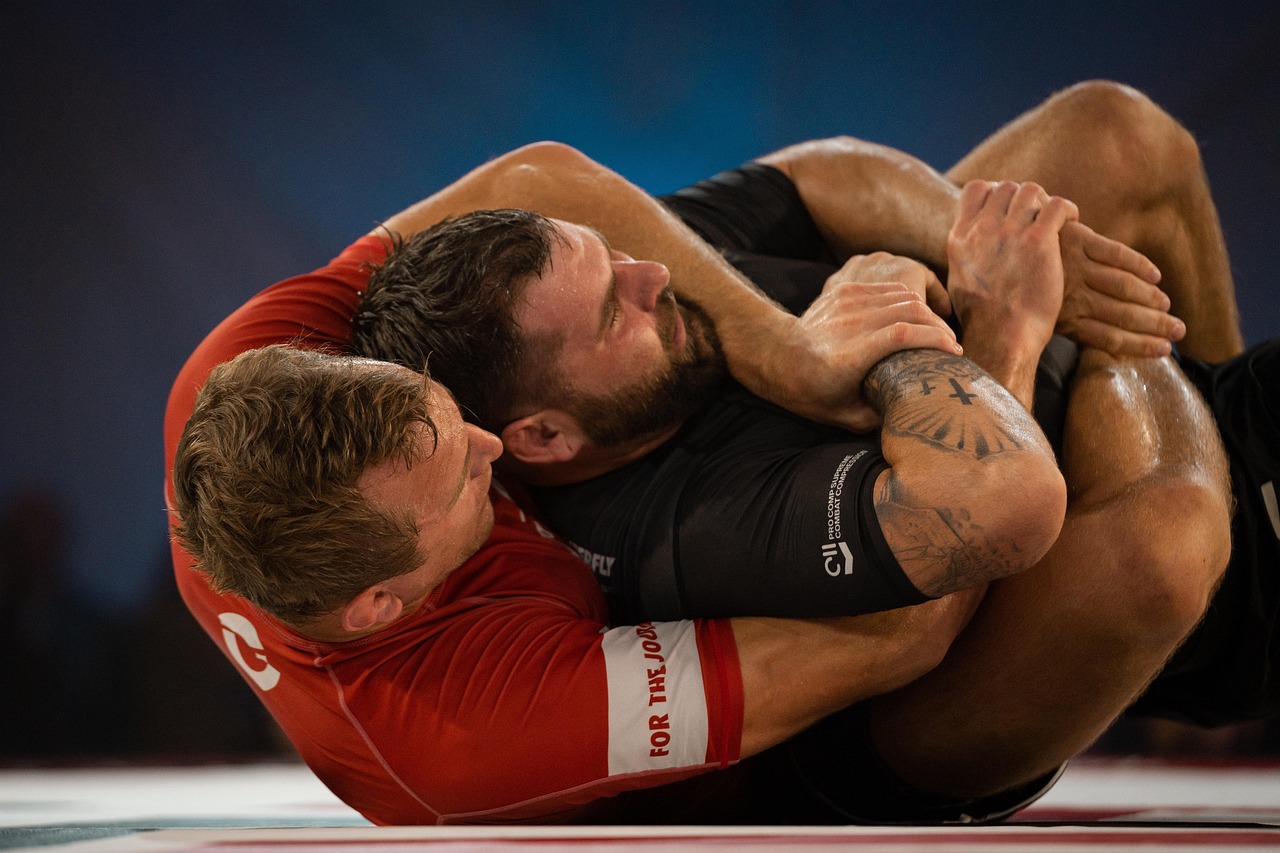
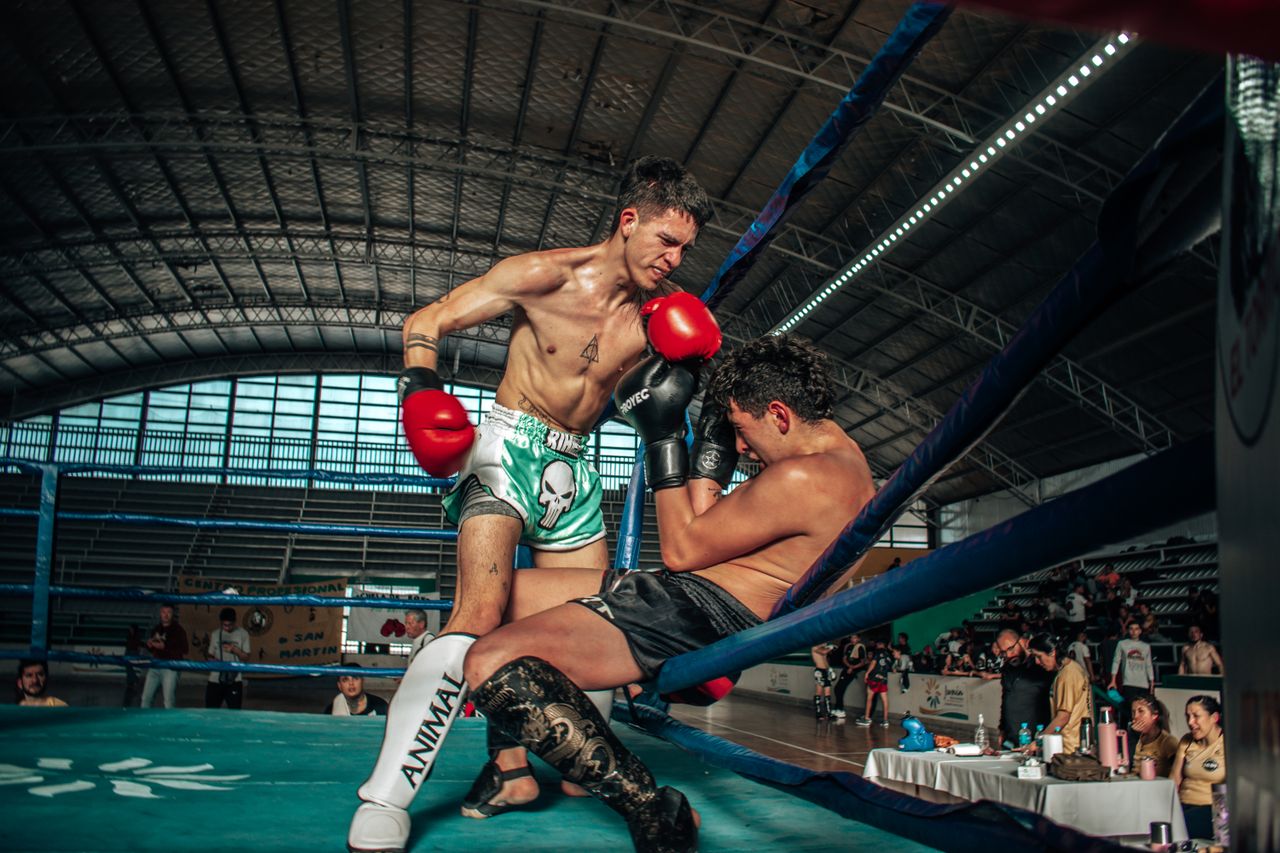
Portland is also a natural combat-sports crossover city. Boxing shares space with MMA, kickboxing, grappling, and general fitness culture. That can sometimes make boxing less visible as a standalone sport, but it also gives the city a larger base of athletes who understand striking and conditioning. For boxers, the key is preserving the details that make boxing its own discipline: balance, jab craft, ring position, punch selection, defensive responsibility, and the ability to win rounds rather than simply survive exchanges.
As a professional market, Portland is more developmental than dominant. It can host local cards, produce regional fighters, and support amateur growth, but its boxers often need to connect with Seattle, California, Nevada, or national promoters to climb higher. That does not erase the city’s boxing identity. It defines it. Portland boxing is a proving-ground scene, not a spectacle machine.
The future of boxing in Portland likely depends on how well the city connects its history to a new generation. Denny Moyer and Ray Lampkin prove that Portland fighters can matter beyond Oregon. The next step is keeping enough competitive infrastructure in place so that talented athletes see boxing as more than a fitness option. Portland does not need to become a fight capital. It needs to remain a serious Northwest boxing city with enough ambition to send its best fighters outward.