California is one of the most important MMA states in the United States because it has never been just one kind of fight market. It is a fighter-producing state, a gym destination, a major event state, a regulatory leader, and a place where older combat-sports cultures helped shape modern MMA before the sport became fully mainstream. The California scene stretches from Sacramento to San Jose, Los Angeles, Orange County, San Diego, the Central Valley, and the Inland Empire, giving the state a depth that few regions can match.
Northern California has one of the clearest MMA identities in the country. Sacramento became closely tied to the lighter weight classes through Urijah Faber and Team Alpha Male, a gym that helped define the style and visibility of bantamweights and featherweights in the WEC and UFC eras. Faber’s own career mattered because he made small-weight MMA marketable at a time when the sport was still heavily associated with larger athletes. Team Alpha Male then became a development home for fast, scramble-heavy fighters with strong wrestling, aggressive transitions, and a pace that translated well into championship-level competition.
The Bay Area gives California another major pillar through American Kickboxing Academy in San Jose. AKA became one of the defining modern MMA gyms because it combined elite wrestling, disciplined kickboxing, hard sparring culture, and championship-level coaching. Its roster and alumni helped shape heavyweight, light heavyweight, middleweight, and lightweight MMA through fighters such as Cain Velasquez, Daniel Cormier, Luke Rockhold, Khabib Nurmagomedov, Islam Makhachev, and other high-level athletes who spent key parts of their careers in that environment. California’s MMA identity is not only about fighters born in the state. It is also about fighters who came there because the rooms were deep enough to make elite athletes better.
Southern California adds a different kind of influence. Los Angeles, Orange County, and San Diego have long been dense with boxing gyms, Brazilian jiu-jitsu academies, Muay Thai programs, wrestling rooms, and entertainment-industry visibility. That mixture helped MMA grow both as a sport and as a media product. Fighters could train seriously while also staying close to sponsors, managers, production companies, and major events. Women’s MMA also has strong California ties through figures such as Ronda Rousey and Gina Carano, whose careers helped push the sport into a broader audience.
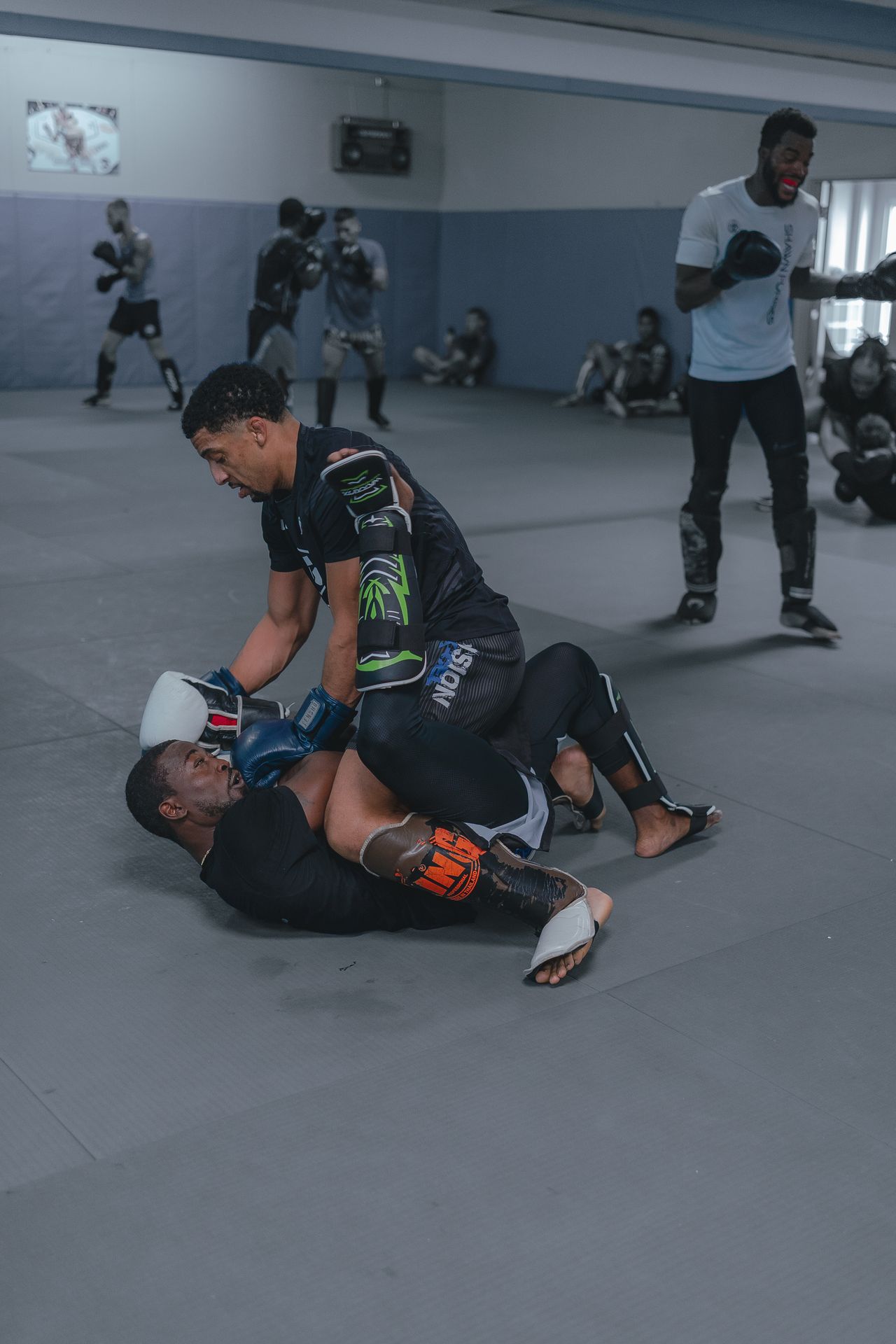
California’s gym culture is unusually layered. It has elite professional teams, but it also has thousands of students entering MMA through jiu-jitsu, boxing, kickboxing, wrestling, self-defense classes, and amateur competition. A young athlete in California can develop through youth wrestling, high school wrestling, BJJ tournaments, smokers, amateur MMA cards, and regional pro shows without leaving the state. That kind of infrastructure matters because it creates repetition. California does not depend on one gym or one star to remain relevant.
The state’s event scene has also been central to MMA’s growth. Major UFC, Strikeforce, Bellator, PFL, and regional shows have all found audiences in California. San Jose, Sacramento, Anaheim, Los Angeles, Inglewood, San Diego, and other markets have each played different roles. The California State Athletic Commission has also been one of the more visible commissions in American combat sports, particularly around regulation, licensing, athlete safety, weight-cutting discussions, and event supervision.
What makes California distinctive is that its MMA scene is too large to reduce to one identity. It is a wrestling state, a jiu-jitsu state, a boxing state, a media state, a gym destination, and a championship factory. Some states are known for one pipeline. California is known for multiple pipelines operating at the same time.