Ethiopia is a major sporting country, but its MMA identity is still young. Internationally, Ethiopia is far more famous for distance running than combat sports, and within fighting sports its profile remains scattered rather than systematized. That makes Ethiopian MMA interesting for a different reason: it is not a finished scene. It is a country where the ingredients exist, but the modern MMA pathway is still being built.
The current fighter database reflects that early stage. Tapology lists Ethiopian MMA names such as Neka Temesgen, Omer Jemal, Sammy Retta, Serawit Tsega Hailu, Seyfe Kebede Kasto, Shifa Awal, and Surafel Alaya Mekonnen, but most have limited recorded activity. Biniyam Shibre, listed as an amateur featherweight fighting out of Addis Ababa, is one of the clearer examples of an Ethiopian-based amateur MMA profile.
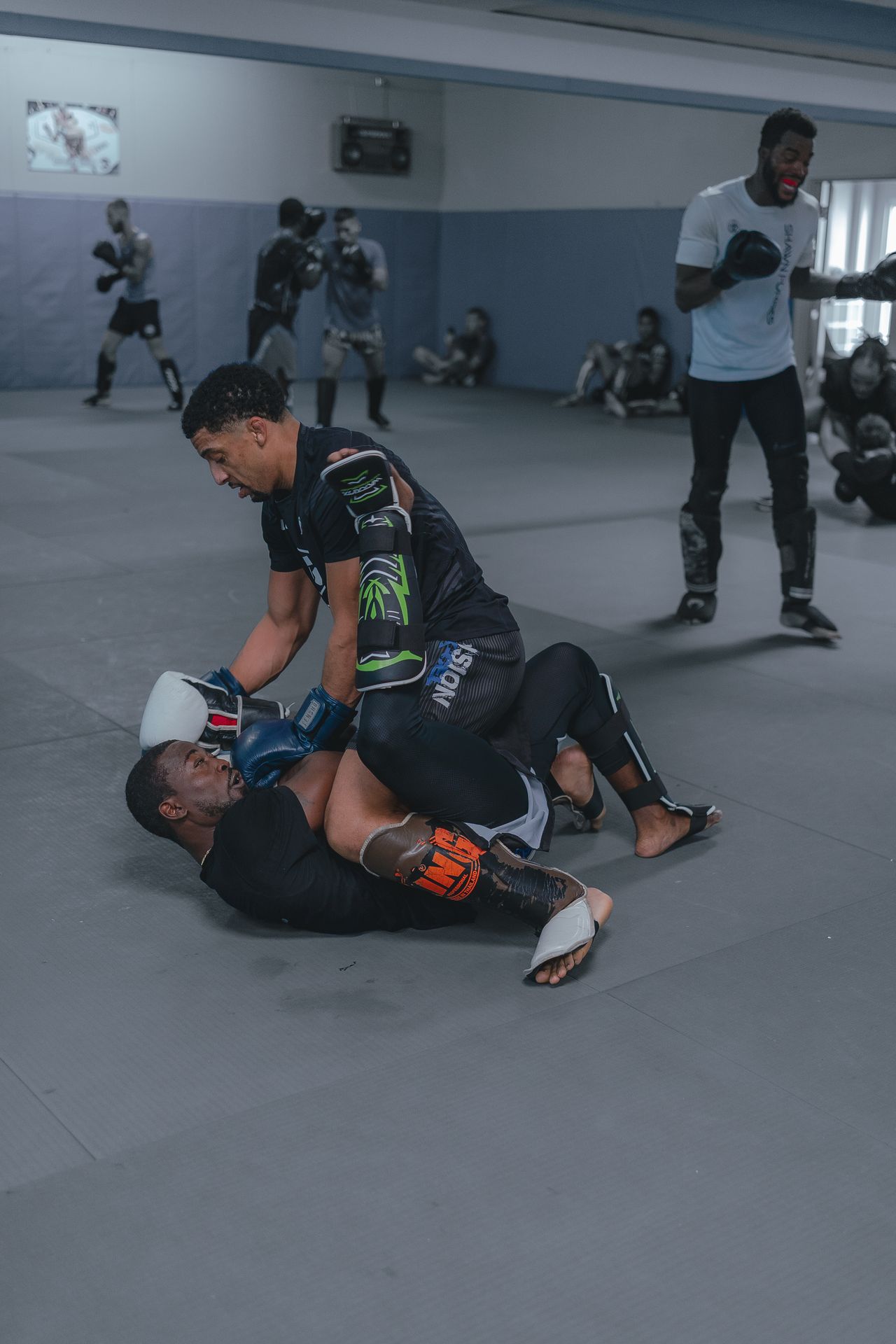
That matters because Ethiopia’s MMA story is not currently built around UFC veterans. It is built around early participation, local experimentation, and the possibility of turning existing athletic and martial arts interest into a more coherent combat-sports pipeline. In countries like Ethiopia, the first serious MMA generation usually comes from athletes who begin in boxing, taekwondo, kickboxing, wrestling, or jiu-jitsu, then learn to combine those skills under MMA rules.
The Ethiopian diaspora also complicates the picture. Elias Theodorou, the late Canadian UFC middleweight and winner of The Ultimate Fighter Nations: Canada vs. Australia, is sometimes brought into broader discussions of Ethiopian-linked MMA because of heritage, but his competitive identity was Canadian. UFC remembered him after his death in 2022, and ESPN lists his UFC and post-UFC fight history under Canada. That makes him relevant to Ethiopian-descended representation, but not evidence of a mature domestic Ethiopian MMA structure.
Inside Ethiopia, Addis Ababa is the natural center for any future MMA growth. Larger cities offer the best chance of combining striking gyms, grappling instruction, strength training, and event organization. A true MMA scene requires more than tough athletes; it requires safe sparring culture, officials, weight classes, medical standards, fight records, and enough opponents to prevent mismatches. Those are the pieces that separate occasional fight nights from a real national pipeline.
Recent local coverage has described Ethiopian MMA as a history still being written, emphasizing grassroots efforts and growing public interest rather than an established professional circuit. That framing fits the evidence. Ethiopia has athletes entering the sport, but it does not yet have the density of promotions, gyms, or internationally ranked fighters that would make it a regional MMA leader.
The most realistic development path for Ethiopia is regional. Fighters may need to connect with African MMA circuits, Middle Eastern promotions, and diaspora coaching networks to gain experience. As African MMA receives more international attention, countries with large populations and strong athletic cultures could become more relevant, but only if infrastructure catches up with interest.
Ethiopian MMA should be written about with patience. The country does not need to be oversold as a sleeping giant, and it should not be dismissed because it lacks major-promotion names. Its real identity is that of an emerging combat-sports market where the first meaningful generation is still trying to define what Ethiopian MMA will look like. If gyms in Addis Ababa and other urban centers can build consistent amateur competition, Ethiopia has the population, athletic base, and diaspora reach to become more visible over time.