MMA in the Dominican Republic is still a compact scene, but it has a clearer identity than its size might suggest: it is a boxing-influenced Caribbean MMA market trying to turn individual breakthroughs into a broader competitive pathway. The country is not yet known as a deep MMA factory in the way Brazil, Mexico, or the United States are, and it does not have the same regional visibility as Puerto Rico in combat sports media. Its fight identity starts with boxing, toughness, athleticism, and a long tradition of Dominican athletes leaving the island to chase professional opportunities abroad.
That matters because Dominican MMA has not grown from a dense local cage-fighting circuit. It has grown through fighters who combine Dominican athletic roots with training systems elsewhere. Waldo Cortes-Acosta is the most important modern example. A heavyweight with professional boxing experience, Cortes-Acosta brought a Dominican flag into the UFC in a division where one athlete can carry national visibility quickly. His style fits the country’s current MMA profile: striking-first, physically confident, and built through a career path that moved beyond the island’s local infrastructure.
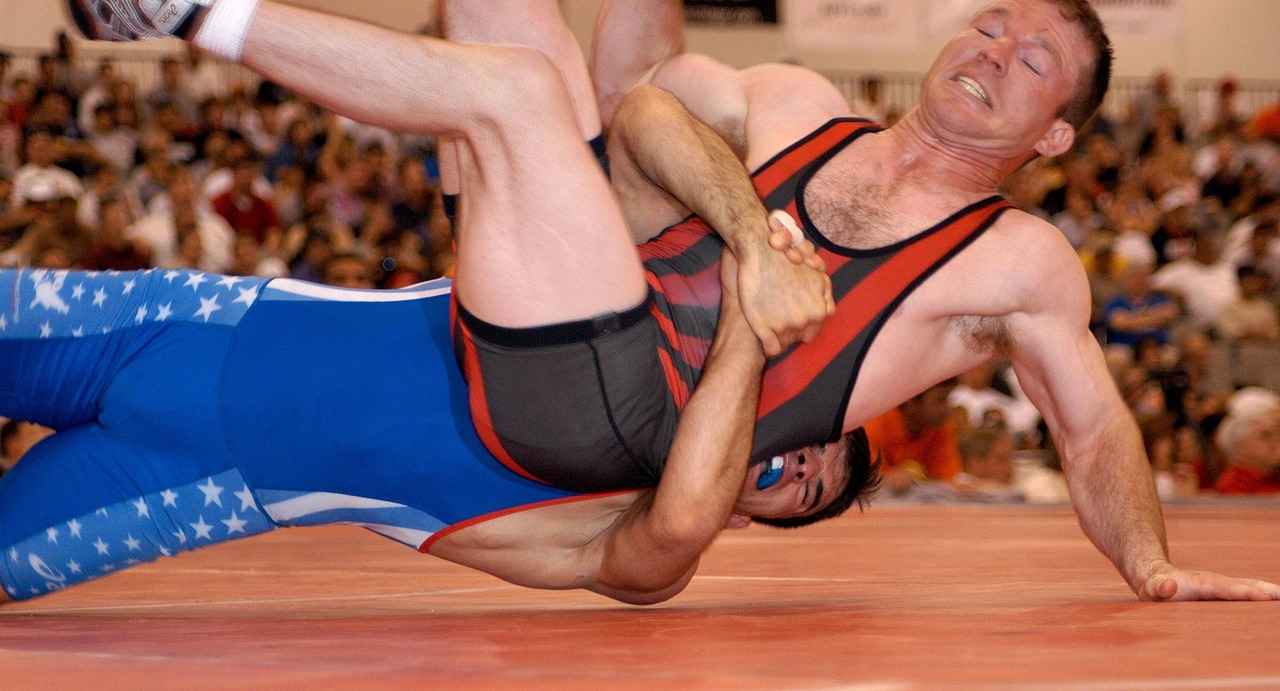
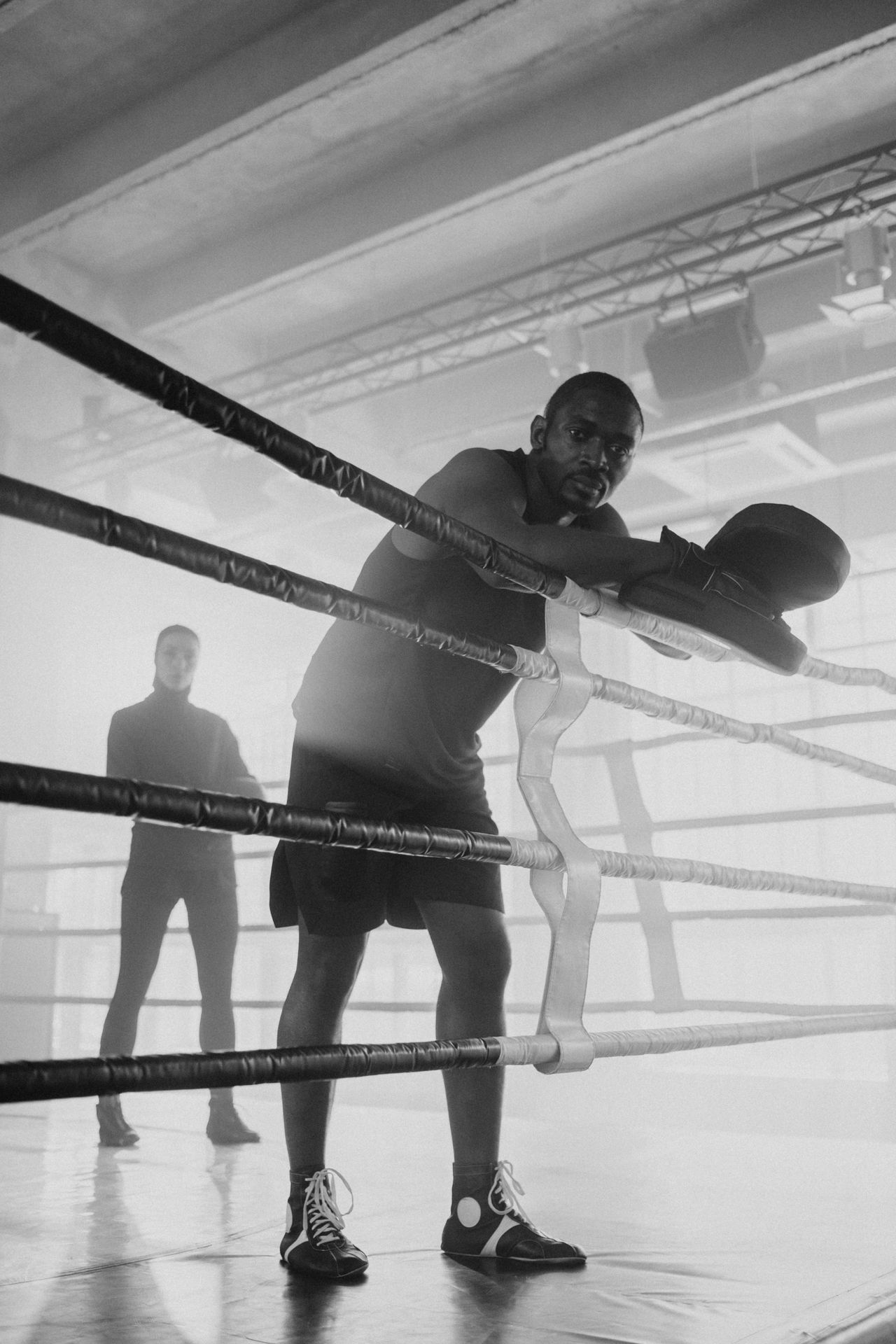
The Dominican Republic’s best-known combat-sports tradition is boxing, and that gives local MMA a natural striking foundation. The challenge is that boxing does not automatically create complete MMA athletes. Fighters must still find wrestling, Brazilian jiu-jitsu, cage control, clinch work, and MMA-specific conditioning. For Dominican athletes, that often means training in the United States, linking with Caribbean fight networks, or entering gyms where boxing can be blended with grappling and cage work. The country’s future in MMA depends on whether that crossover becomes more systematic.
Local MMA culture is still developing. There are athletes interested in the sport, and there is a natural fan base for combat sports, but the Dominican Republic is not yet a major stop on the international MMA circuit. The country’s sports attention is heavily shaped by baseball, boxing, basketball, and overseas Dominican stars. MMA has to compete for space in that crowded athletic culture. That does not mean the sport lacks potential; it means its growth is likely to be fighter-led before it becomes institution-led.
The most realistic pathway for Dominican MMA is through the diaspora. Fighters with Dominican family background, Dominican-born athletes training abroad, and Caribbean competitors based in U.S. gyms can raise the country’s profile faster than a purely domestic circuit can. That pattern is common in smaller MMA countries. A single UFC fighter can make the flag visible, then a second or third can make young athletes believe there is a repeatable path.
For now, Dominican MMA should be understood as a developing scene with one prominent modern representative, a useful boxing base, and a strong need for deeper grappling infrastructure. The country has athletic talent and combat-sports credibility, but it does not yet have the volume of events, gyms, amateur tournaments, and professional regional shows needed to become a consistent MMA exporter. Its next step is not simply producing another striker. It is building fighters who can bring Dominican explosiveness into a complete MMA game.