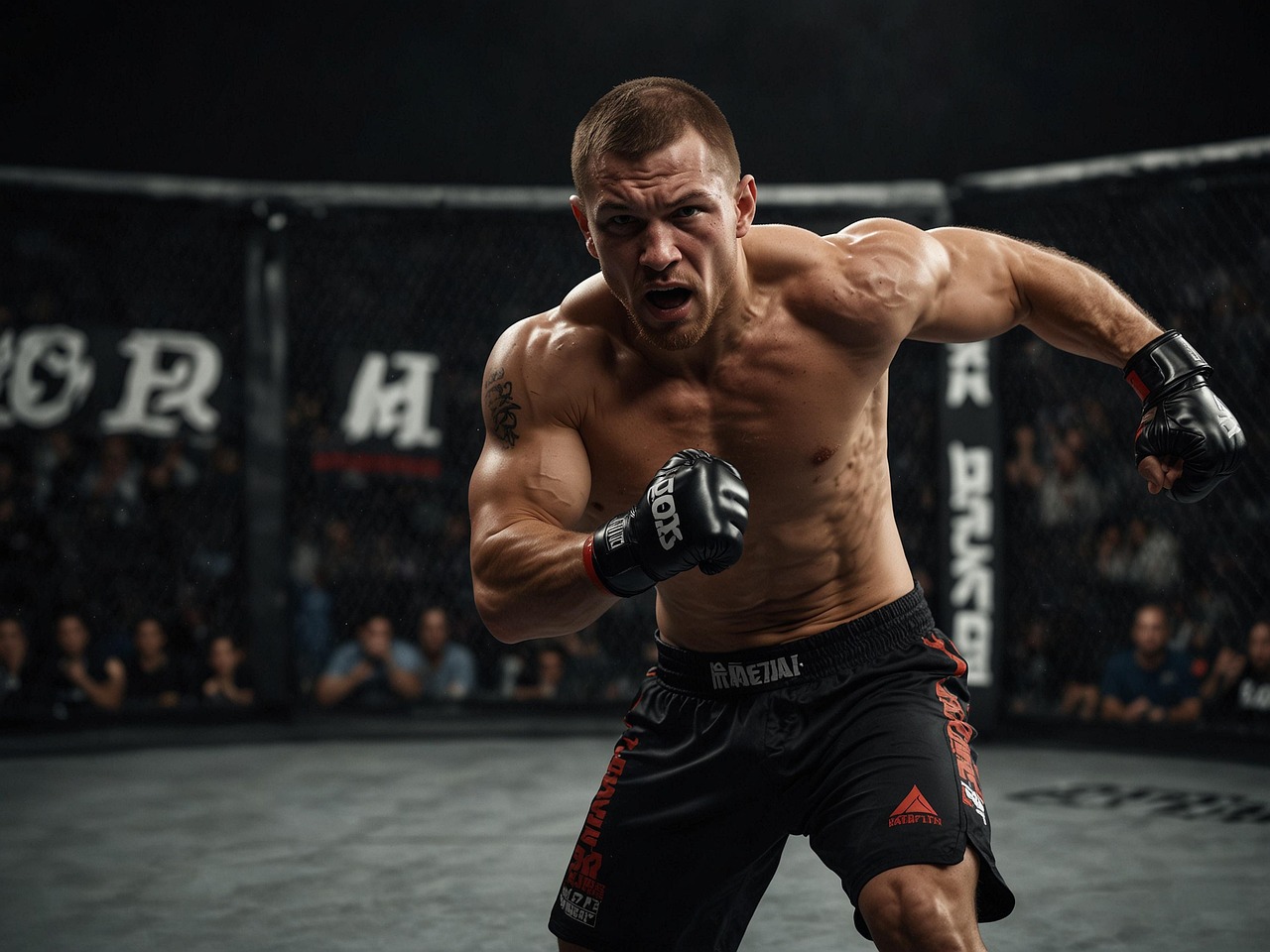
Bangladesh is one of the more interesting emerging MMA countries in South Asia because its scene is no longer just theoretical. It has local promotions, domestic fighters, a visible training culture in Dhaka and other urban centers, and a growing connection to the wider South Asian combat-sports circuit. The country is not yet a major MMA producer, but it has moved beyond the earliest stage of scattered hobbyist interest. Bangladesh now has the outlines of a real MMA ecosystem.
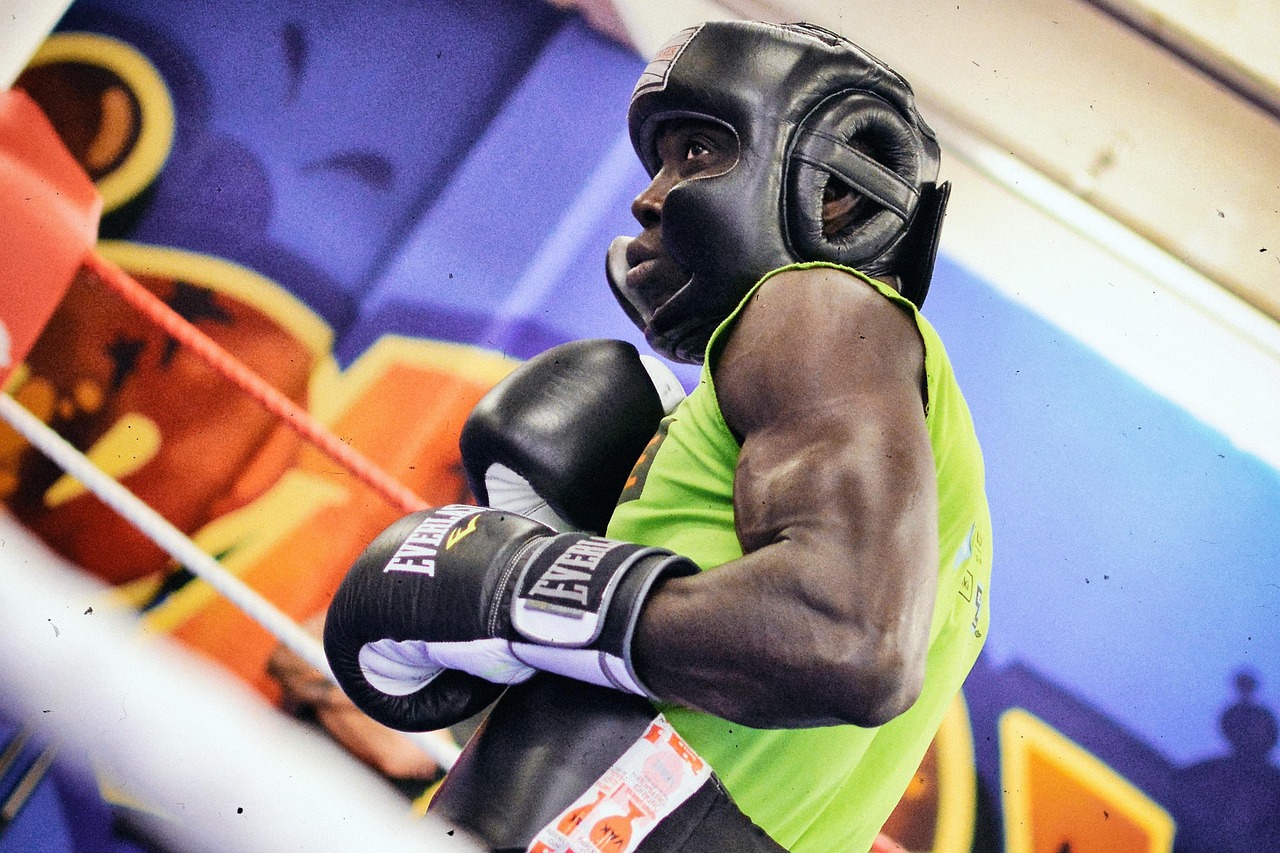
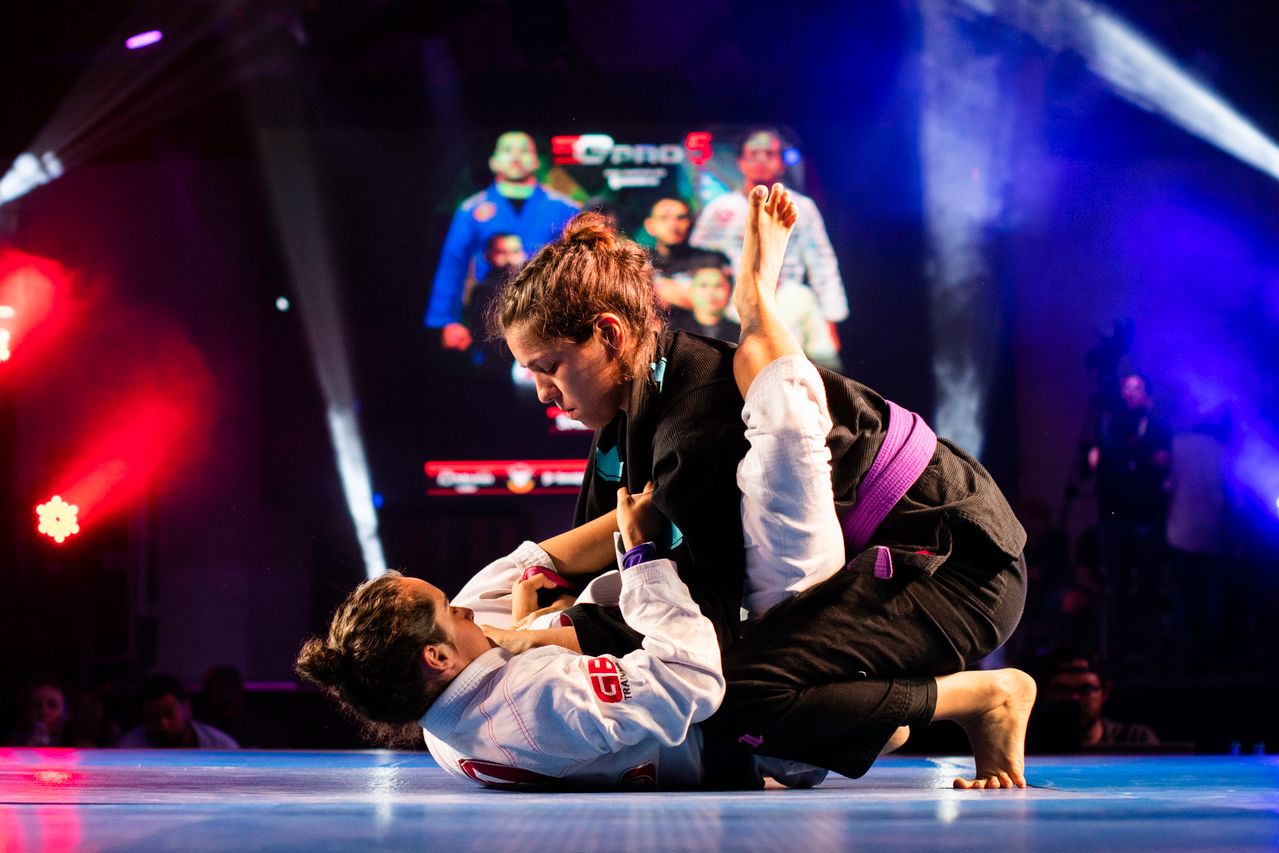
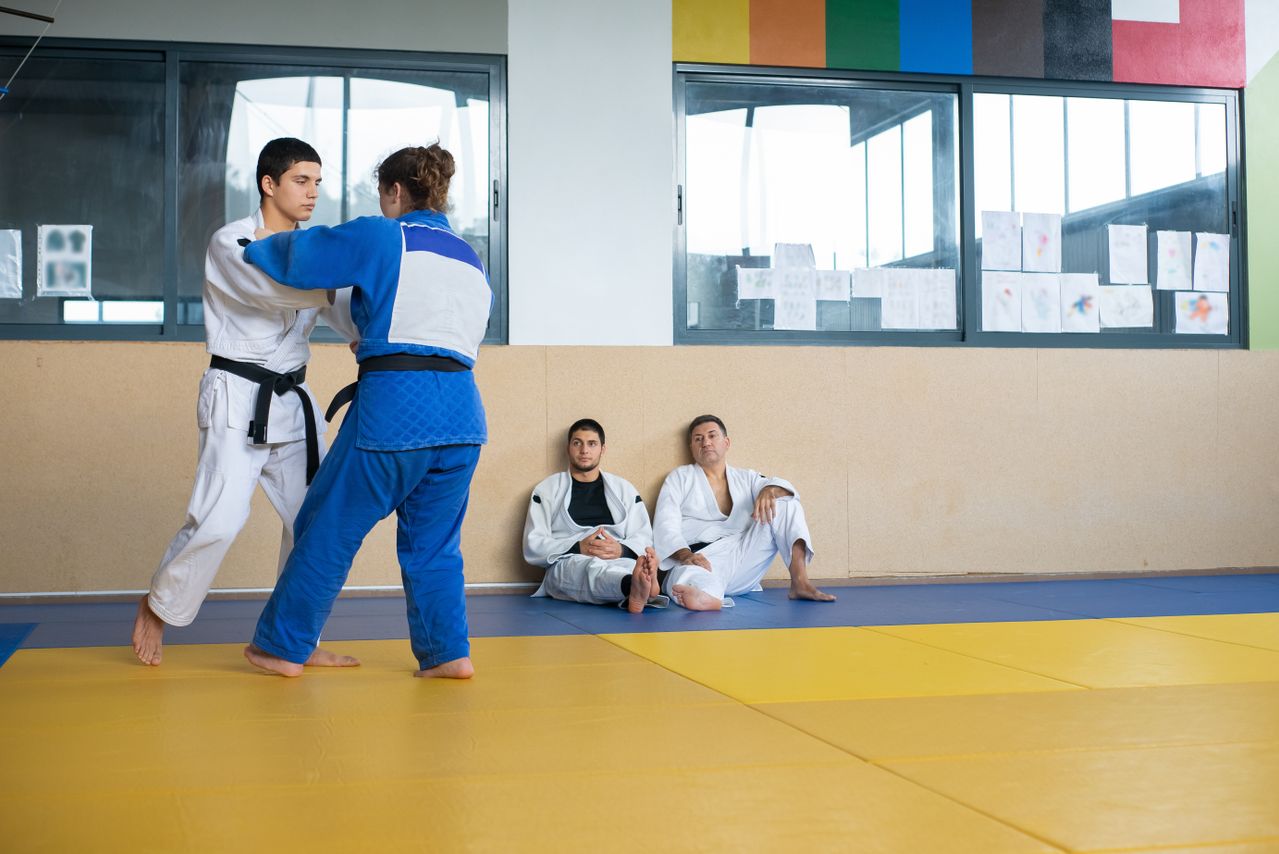
The sport’s growth in Bangladesh sits on top of a mixed combat-sports foundation. Boxing, karate, taekwondo, kung fu, kickboxing, and traditional martial arts have all had some presence, while Brazilian jiu-jitsu and modern grappling remain newer and more specialized. That matters because MMA development in Bangladesh is still partly a process of converting single-discipline athletes into complete fighters. A striker may have toughness and timing but need takedown defense. A traditional martial artist may have distance control but need clinch and cage awareness. A grappler may have submission instincts but need boxing under pressure.
Bangladesh’s most internationally visible MMA connection is Shajidul “Shaj” Haque, who was born in Bangladesh and built his professional career out of England. Haque’s career matters because he gives Bangladeshi MMA a high-level reference point outside the country’s domestic circuit. His success shows that a Bangladeshi-born fighter can operate in a serious international environment, but it also highlights the development gap: the strongest professional pathway has often been through the diaspora or overseas training systems rather than through a mature domestic ladder.
Inside Bangladesh, the scene has become more active through local gyms and promotions. The Bangladesh Mixed Martial Arts Association has appeared as a national organizing presence in amateur MMA, while Khar has positioned itself as a modern Bangladeshi MMA promotion staging events in Dhaka. Khar’s emergence is especially important because promotions give fighters what gyms alone cannot: real bouts, records, pressure, walkouts, judges, referees, corners, and a reason to train with professional urgency. A gym culture without events can produce fitness athletes. A gym culture with events can produce fighters.
Bangladesh’s fighter pool is still developing, but names such as Asraful Islam, Kobir Hussain, Sheikh Mohammad, Muhammad Affan Hossain, Ronald Shaikat, and other locally listed athletes show a scene beginning to generate recorded competitors. Many records remain short, uneven, or early-stage, which is normal for a country building its MMA base. The important point is not that Bangladesh already has a deep roster of elite professionals. It is that a competitive record base is forming.
The country’s biggest opportunity may be regional. Bangladesh does not need to jump directly from domestic fight nights to the UFC. A more realistic path runs through South Asian and Asian circuits, with fighters facing opponents from India, Nepal, Pakistan, Sri Lanka, Southeast Asia, and the Middle East. Regional matchmaking can give Bangladeshi athletes the experience they need before they are exposed to stronger international veterans. It can also create rivalries and fan interest that feel local rather than imported.
Bangladesh’s MMA identity is still young, but it is no longer invisible. The sport has a promotional platform, a growing gym culture, diaspora representation, and a clearer sense of direction than it had a decade ago. The next step is technical depth. If Bangladeshi gyms can improve wrestling, submission grappling, strength and conditioning, and coaching education while keeping events active, the country could become one of South Asia’s more consistent emerging MMA markets.