Fiji’s MMA identity is not defined by a deep domestic cage-fighting circuit. It is defined by combat toughness, boxing tradition, rugby athleticism, islander diaspora pathways, and a small number of fighters carrying Fijian identity into overseas MMA scenes. The country has the physical culture to produce combat athletes, but modern MMA infrastructure remains limited compared with Australia, New Zealand, Hawaii, or the larger Asian-Pacific fight markets.
The searchable professional MMA footprint is thin. Tapology’s Fiji nationality page does not show the kind of deep list associated with established MMA countries, while individual Fijian-linked profiles tend to appear through overseas pathways. Carlos Hicks, known as “The Flying Fijian,” is listed as an amateur fighter associated with New Zealand competition, and Luke “Big Fiji” Sauqaqa is listed as an amateur heavyweight fighting out of Utah.
That diaspora pattern is central. For many Pacific Island athletes, the serious MMA route often runs through Australia, New Zealand, or the United States. Those markets have more gyms, deeper grappling rooms, regular amateur cards, established commissions, and easier access to regional promotions. A Fijian athlete with elite potential may begin with boxing, rugby, kickboxing, or general athletic training, but the full MMA conversion often requires leaving Fiji or connecting to overseas coaching networks.
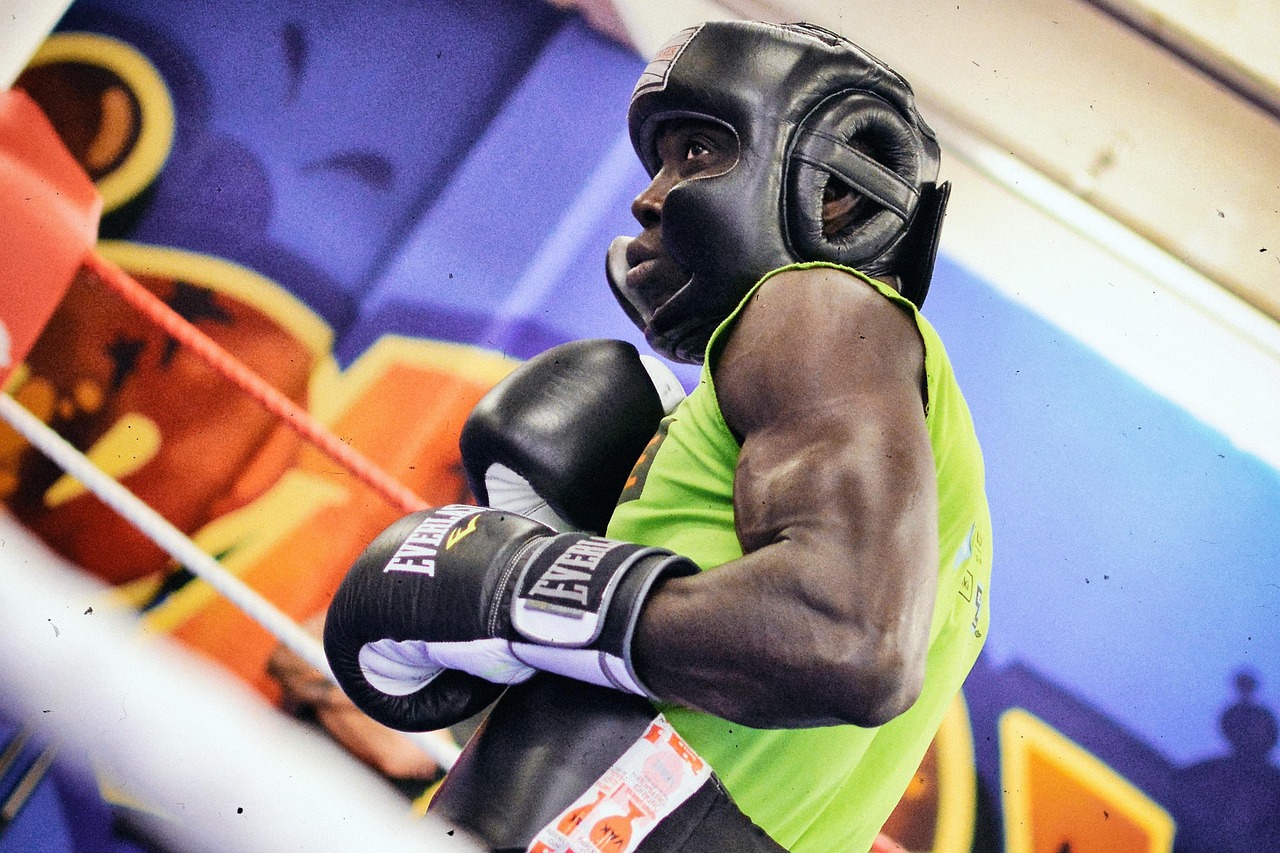
Fiji’s combat-sports base is strongest in boxing and physical-contact sports. Boxers such as Sebastian Singh, listed by Tapology as a Suva-based professional boxer, show that Fiji has produced athletes comfortable in striking competition. That boxing background can matter for MMA, but MMA requires additional layers: takedown defense, cage wrestling, submission grappling, clinch work, ground striking, and the ability to fight through rule transitions.
Rugby also matters, even though it is not a combat sport. Fiji’s global rugby reputation points to a national athletic profile built around explosiveness, contact balance, courage under collision, and open-field power. Those traits do not automatically create MMA fighters, but they can provide a useful athletic base if paired with wrestling, jiu-jitsu, and disciplined striking. The missing piece is usually not toughness. It is specialized training volume.
The regional neighborhood is both an opportunity and a challenge. Australia and New Zealand have become serious MMA markets, with UFC-level names such as Israel Adesanya, Alexander Volkanovski, Robert Whittaker, Dan Hooker, Kai Kara-France, and Carlos Ulberg shaping the Oceania conversation. PFL also announced a Pacific division covering Australia and New Zealand, creating another potential regional platform. Fiji is not the center of that ecosystem, but it sits close enough culturally and geographically for ambitious fighters to look toward it.
The future of Fijian MMA will probably be diaspora-led before it is domestically led. Fighters with Fijian heritage, Fijian family identity, or islander community ties may emerge from Auckland, Sydney, Brisbane, Utah, California, or Hawaii before Fiji itself has a large local MMA scene. That is not unusual for smaller Pacific countries. The flag often appears internationally before the home infrastructure becomes deep.
For Fiji to develop a stronger MMA identity inside the islands, the next steps would be clear: more grappling instruction, more amateur competition, safer event regulation, and stronger relationships with Oceania promotions. The raw athletic material is not in question. The question is whether Fiji can turn boxing, rugby toughness, and diaspora pride into a sustainable MMA pathway. Right now, Fiji is best understood as a small but intriguing Pacific MMA scene whose strongest opportunities are connected to the wider Oceania fight network.