MMA in Saint Lucia is still a young scene, but it is no longer just an imported sport watched through UFC broadcasts and Caribbean fight clips. The island’s MMA identity is beginning to form around small-gym development, crossover athletes, and the challenge of building a complete fight culture in a country where boxing, general fitness training, and traditional martial arts have had a longer local footprint. Saint Lucia is not yet a major Caribbean MMA power, but it is one of the islands where the sport has started to move from curiosity to organized participation.
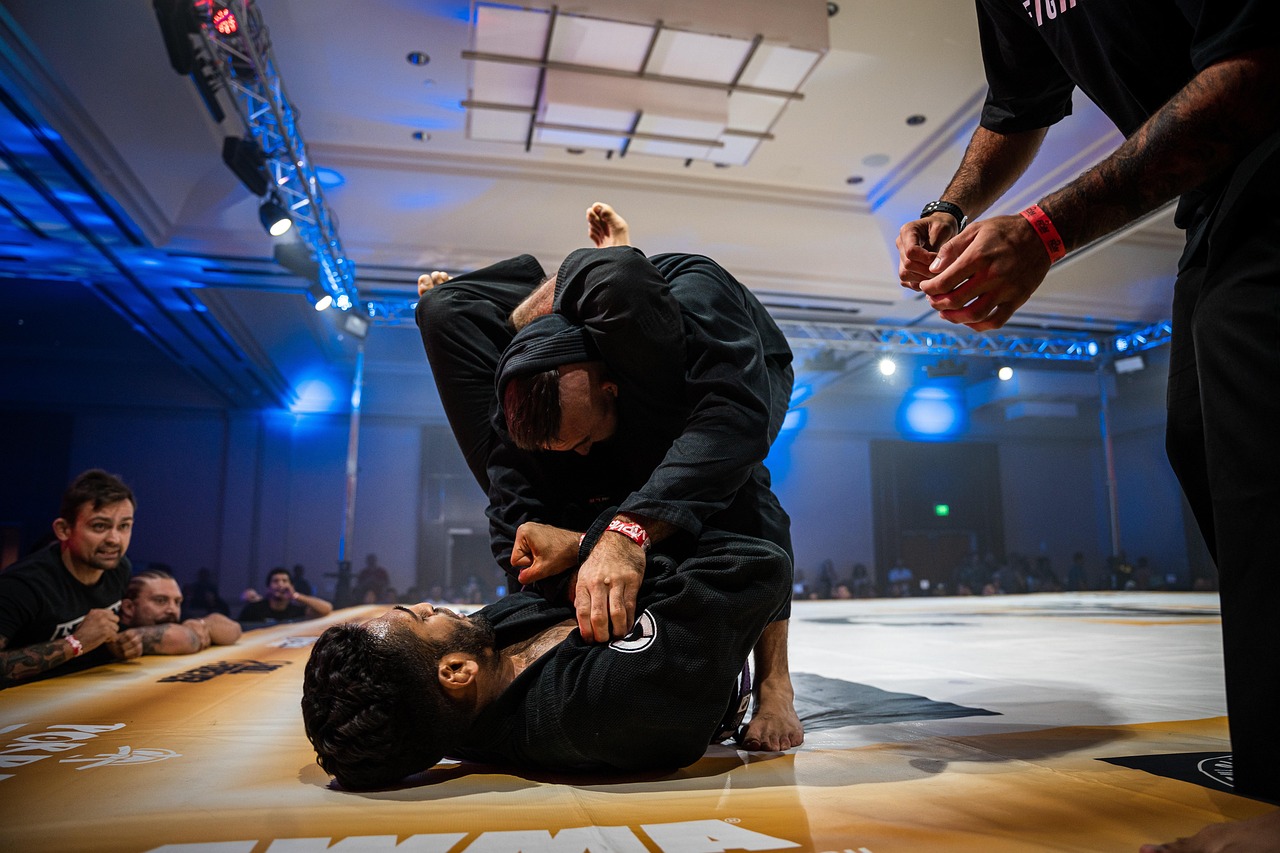
The clearest sign of that shift is the emergence of dedicated MMA training. A small country cannot build a scene without a place where athletes can combine striking, wrestling, grappling, conditioning, and cage-specific preparation under one roof. Saint Lucia’s combat sports base has historically leaned more toward boxing and stand-up fighting, but MMA requires a broader skill set. The island’s next generation needs access to jiu-jitsu, takedown defense, clinch work, cage wrestling, Muay Thai, and sparring structures that prepare athletes for rounds rather than isolated disciplines.
That is why the presence of an MMA-focused gym matters so much. When a country has only a handful of serious training centers, every gym carries extra influence. It becomes more than a business; it becomes the hub where beginners learn what MMA actually is, where boxers discover grappling, where grapplers learn to strike, and where potential amateur fighters find a pathway into competition. Saint Lucia’s MMA development will depend heavily on whether those gyms can create consistent classes, retain coaches, and expose athletes to outside competition.
The fighter side of the story remains early, but names such as Shannus Ryan Joseph have given Saint Lucia a more visible MMA reference point. Heavyweights naturally draw attention in small fight markets because size, power, and knockout potential translate quickly to local interest. Joseph’s rise within the Caribbean MMA conversation matters because it gives the island a figure around whom the sport can be discussed. For a developing scene, a recognizable fighter can do what infrastructure alone cannot: make younger athletes believe the cage is a real competitive destination.
Saint Lucia’s challenge is that island MMA scenes cannot grow in isolation. A fighter can train locally, but testing that fighter requires travel, regional matchmaking, and exposure to opponents from Trinidad and Tobago, Barbados, Jamaica, the Dominican Republic, Puerto Rico, and the wider Caribbean circuit. Without regular bouts, athletes either stall or must leave the island to find higher-level rounds. That makes regional connectivity one of the most important parts of Saint Lucia’s MMA future.
The fan culture is also in the early stages. UFC popularity gives Saint Lucian fans a basic entry point, but local MMA has to build its own credibility. Exhibition events, amateur shows, and combat sports festivals can help the public understand the difference between watching major international MMA and supporting a local scene. Once fans see Saint Lucian athletes competing in front of them, the sport becomes less abstract.
The long-term outlook is realistic but promising. Saint Lucia is unlikely to become a volume producer of professional MMA fighters quickly, but it can become a meaningful small-island scene if training remains organized and regional competition becomes more frequent. The country’s best route is not to imitate larger markets. It is to build a compact, disciplined ecosystem where boxing toughness, athleticism, and new grappling instruction come together. For Saint Lucia, the next stage of MMA will be measured by consistency: consistent gyms, consistent coaching, consistent events, and consistent opportunities for fighters to test themselves beyond the island.