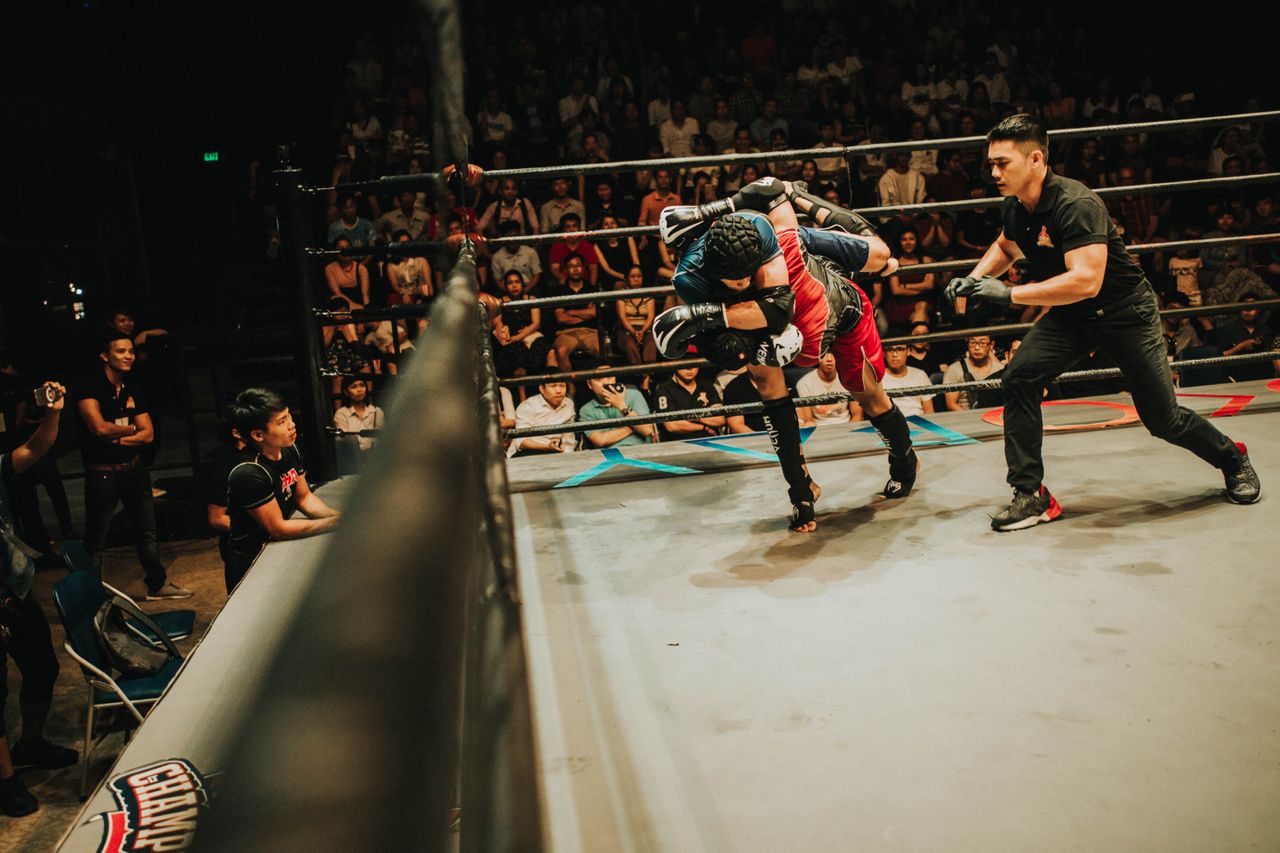
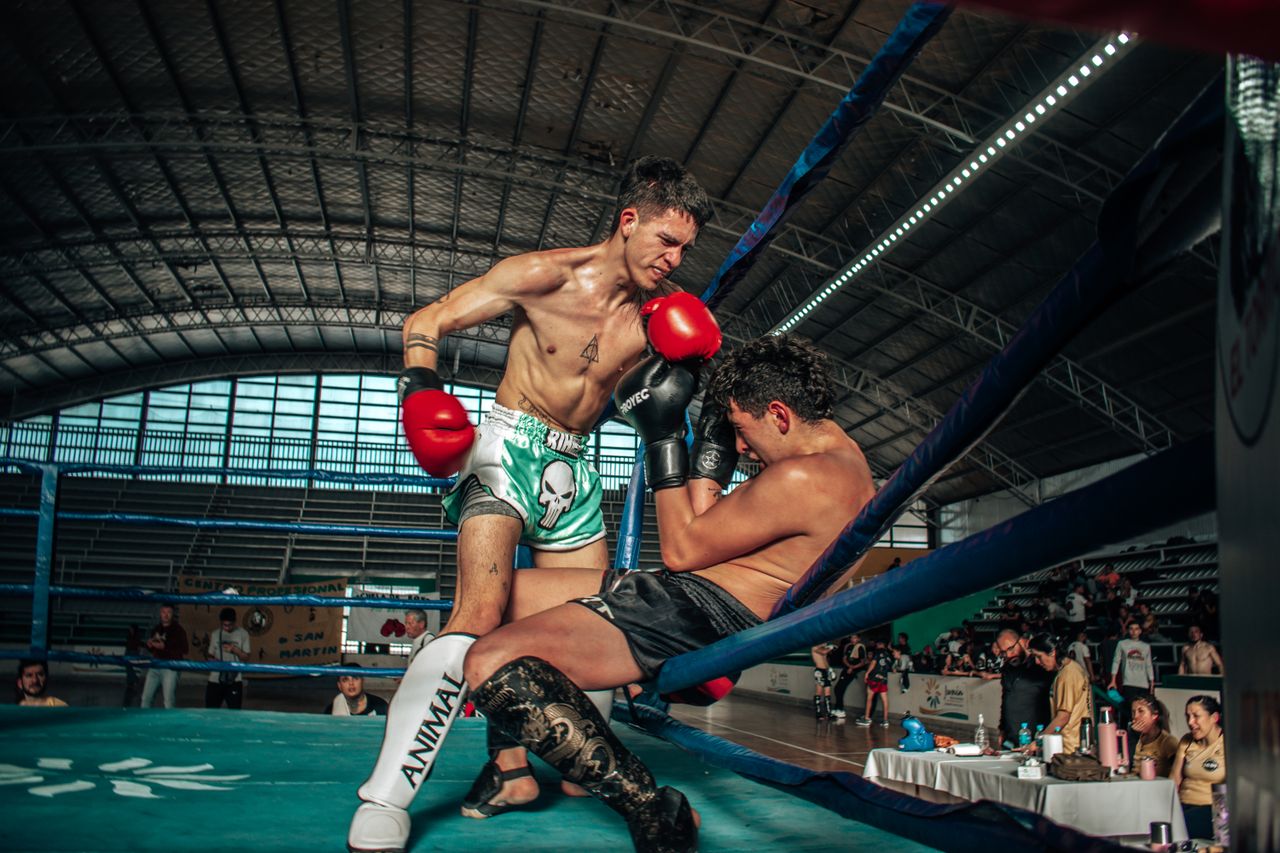
Iowa’s MMA identity begins with wrestling, but it does not end there. Many states claim a wrestling base. Iowa turned that base into one of the most important early professional MMA ecosystems in the United States. The reason is Miletich Fighting Systems.
Pat Miletich, from the Quad Cities area, was not only the first UFC welterweight champion. He built a team in eastern Iowa that became one of the defining camps of early modern MMA. Miletich Fighting Systems, based around Bettendorf and Davenport, helped shape an era when fighters were still figuring out how to blend wrestling, boxing, kickboxing, jiu-jitsu, conditioning, and cage strategy into a complete professional system. At its peak, MFS was not a regional curiosity. It was one of the sport’s major power centers.
That makes Iowa different from other wrestling states. Its contribution was not simply sending wrestlers into MMA. Iowa helped professionalize the idea of the MMA camp. MFS produced or developed major names including Matt Hughes, Tim Sylvia, Jens Pulver, and Robbie Lawler. Those fighters gave the gym championship credibility across multiple weight classes and fighting styles. Hughes became a dominant UFC welterweight. Sylvia became a two-time UFC heavyweight champion. Pulver became the first UFC lightweight champion and later a UFC Hall of Fame inductee. Lawler, who grew up in Bettendorf after moving from California, developed through the Miletich environment before eventually becoming one of the most beloved UFC welterweight champions of the modern era.
The common thread was not that every MFS fighter looked the same. It was that they were hard, prepared, and comfortable in ugly fights. Iowa wrestling supplied the pressure and competitive habits. The gym added striking, submissions, sparring intensity, and a professional fight-team structure. In the early 2000s, that combination was ahead of much of the sport.
Iowa’s broader wrestling culture remains central. The state’s high school and college wrestling traditions create athletes who understand weight management, hand fighting, balance, scrambling, and the discipline of individual competition. Those traits translate naturally into MMA. But wrestling alone is no longer enough. Modern Iowa fighters need earlier access to high-level striking, jiu-jitsu, and cage-specific coaching if they want to compete with athletes coming from larger national camps.
The challenge for Iowa is that its greatest MMA moment was historically concentrated. Miletich Fighting Systems gave the state an outsized role in the sport’s development, but the national training map has changed. Elite fighters now cluster in places like Florida, Nevada, California, Arizona, Colorado, and New Mexico. Iowa still has the wrestling DNA, but it no longer has the same singular MMA super-camp identity it once did.
That does not make Iowa less important. It makes the state’s MMA story more layered. Iowa is both a historic pillar and a modern development market. The old MFS legacy gives it credibility that most states cannot match. The wrestling base still gives it raw material. The question is whether contemporary gyms and regional promotions can turn that raw material into the next wave of national-level fighters.
For readers trying to understand MMA in Iowa, the key is to avoid reducing it to “good wrestlers.” Iowa’s real importance is that it showed how wrestling culture could be converted into a professional MMA system. The state helped define what a fight camp could be. Its future depends on whether a new generation can update that formula for the modern sport.