Cyprus occupies a different place in the MMA map. It is not a major fighter factory, and it is not large enough to be judged by the same standards as the United States, Brazil, Russia, or the United Kingdom. Its MMA identity is more precise: Cyprus is a small island market trying to turn scattered martial arts participation into a more organized competitive scene, with one notable UFC breakthrough giving the country a clearer place in the international conversation.
That breakthrough came through Charalampos Grigoriou, the Cypriot bantamweight who earned wider attention through Dana White’s Contender Series and later competed in the UFC. His career matters for Cyprus because it gives the island a recognizable reference point. In smaller MMA nations, a single fighter can change the way the sport is perceived. Grigoriou’s success did not suddenly make Cyprus an MMA power, but it showed that a Cypriot fighter could pass through the modern global proving ground and reach the sport’s most visible platform.
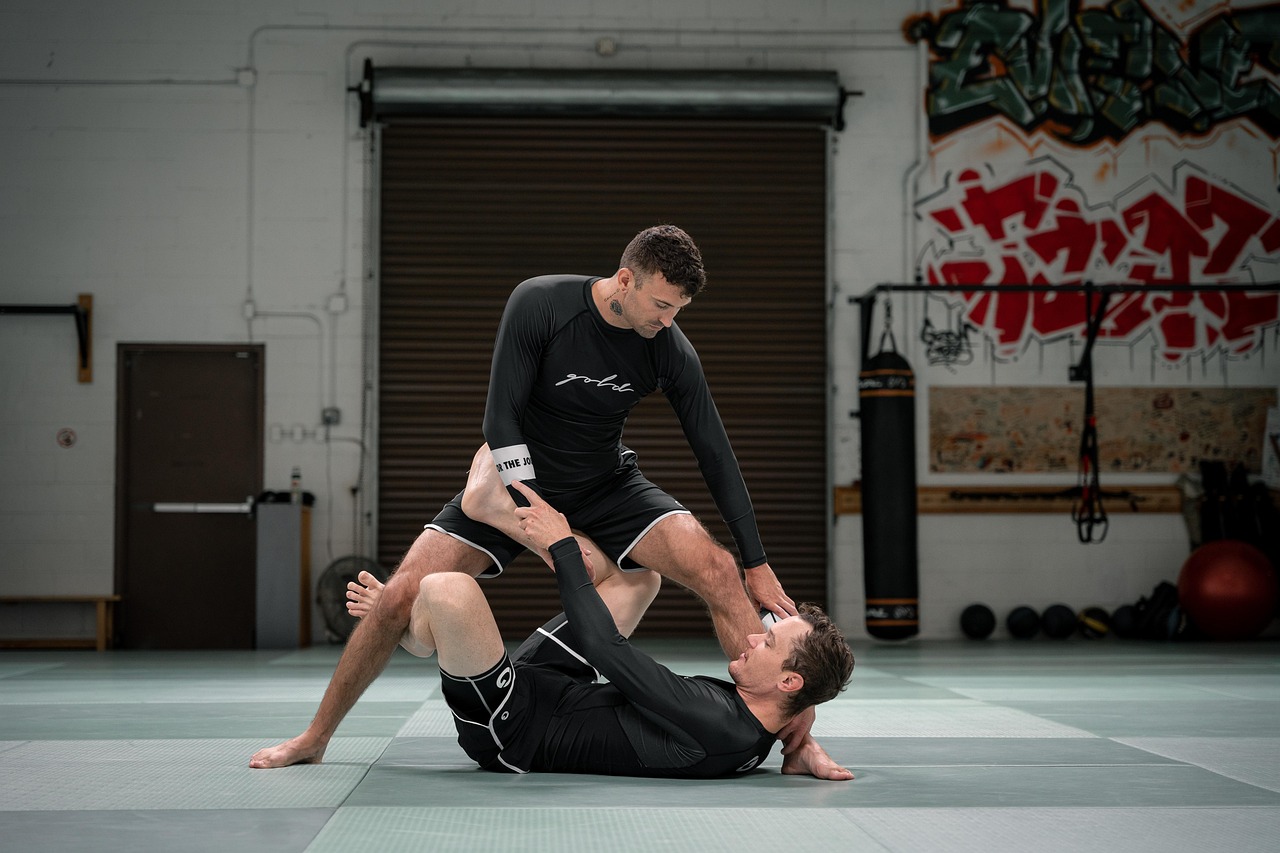
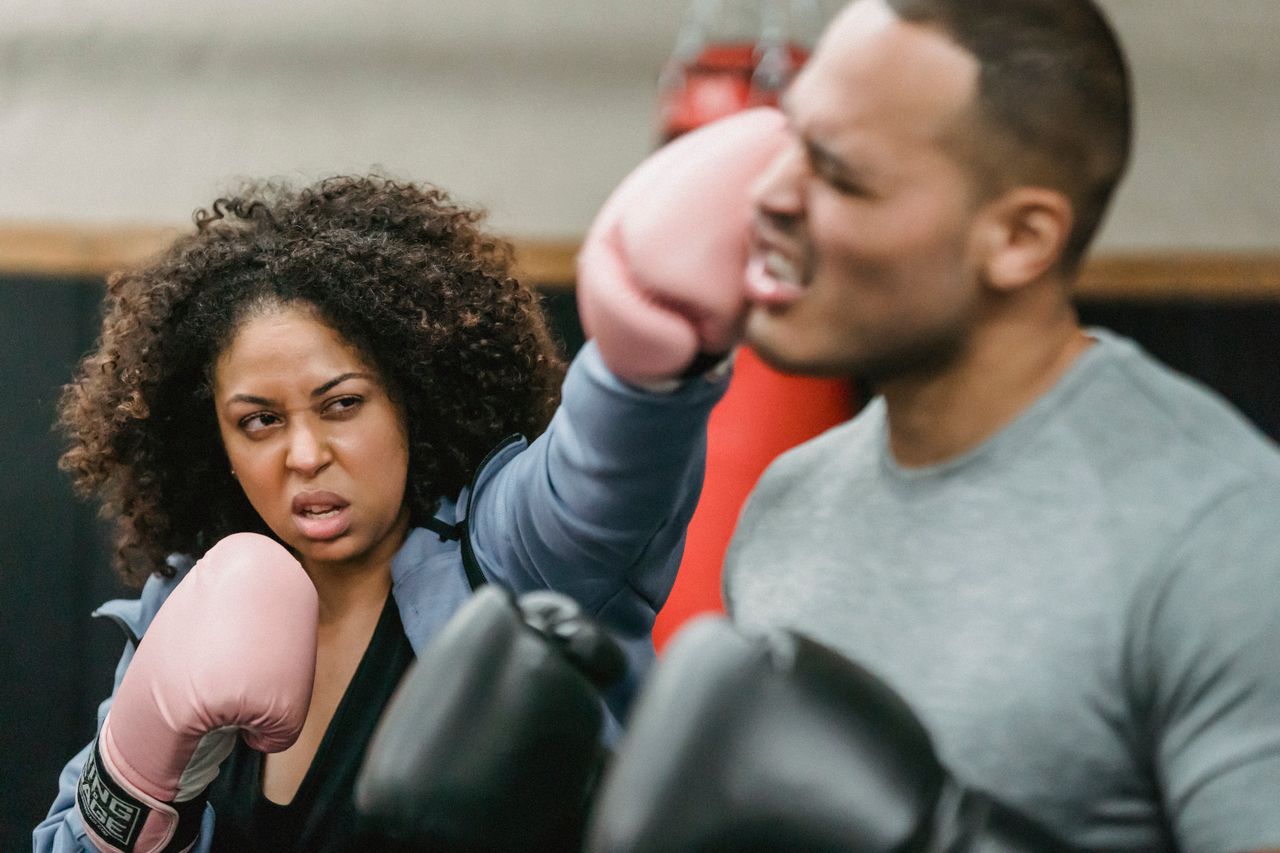
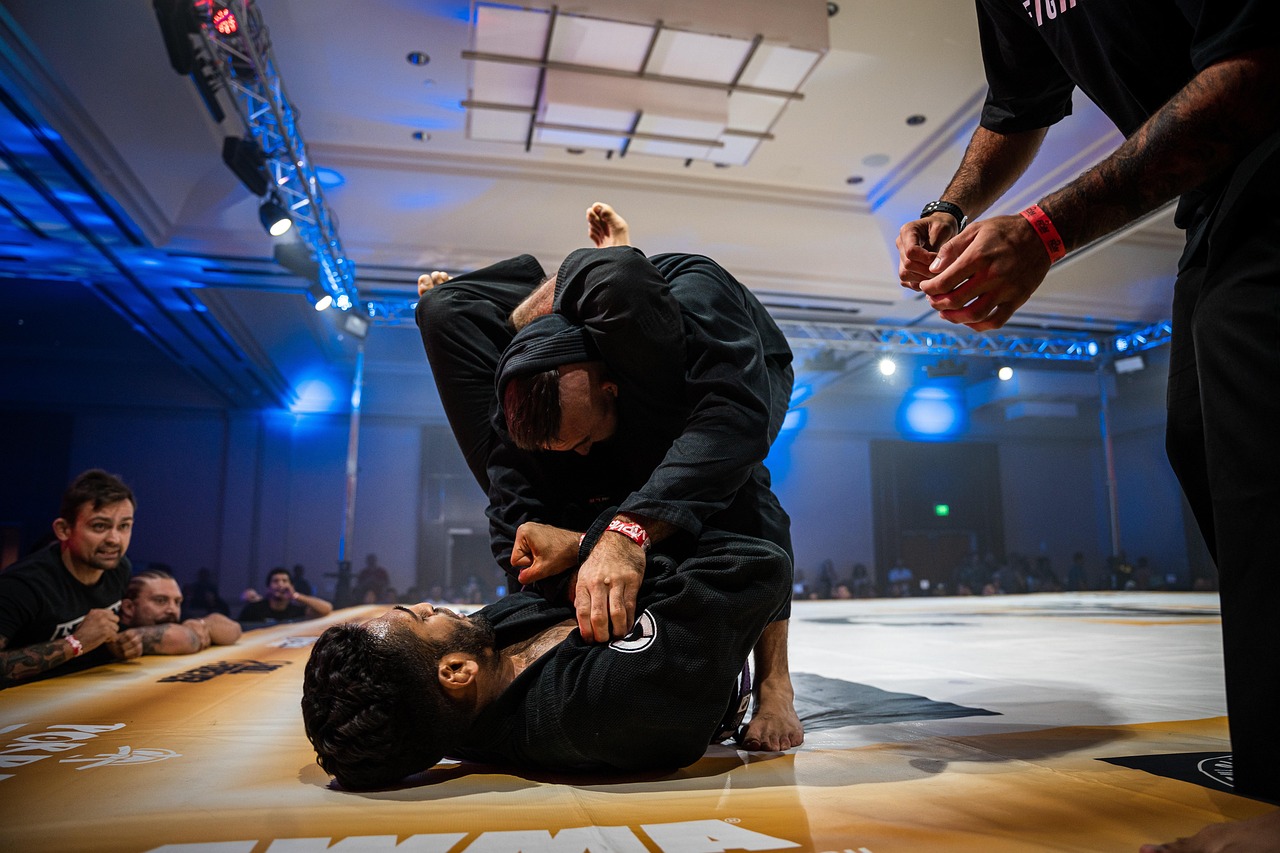
Cypriot MMA sits at the intersection of several combat-sports influences. Kickboxing, boxing, Brazilian jiu-jitsu, wrestling, Muay Thai, and karate all have roles in the island’s training culture. Unlike countries with one dominant national combat sport, Cyprus has a more blended scene. That can be useful for MMA because athletes are already accustomed to crossing styles, but it also means the sport needs organization if it wants to move beyond individual gyms and isolated events.
The presence of the Cyprus Mixed Martial Arts Federation is important because small MMA countries often need structure before they can produce depth. A federation can help connect amateur athletes, coaches, gyms, and international competition opportunities. Without that layer, fighters are left to build careers through private gyms, overseas travel, and occasional regional events. With it, the sport has a better chance of creating repeatable development pathways rather than relying only on individual outliers.
Cyprus Fighting Championship and other local combat-sports promotions also matter because the island needs events that allow fighters to gain experience without immediately leaving the country. MMA development requires rounds, losses, judging exposure, weight cuts, medical standards, and the ordinary pressure of fighting in front of a crowd. For an island market, even a modest local event calendar can make a difference. It gives beginners a reason to train seriously and gives gyms a target beyond fitness or self-defense.
Cyprus also benefits from geography. It sits between Europe, the Middle East, and the eastern Mediterranean, which gives its fighters potential access to multiple regional circuits. A Cypriot prospect does not have to think only in domestic terms. Greece, the Balkans, the United Kingdom, the Middle East, and broader European amateur competitions can all become part of the pathway. That regional access is one of the island’s best advantages.
The challenge is scale. Cyprus does not have a massive population, a long list of internationally famous MMA gyms, or a deep pool of professional opponents in every weight class. Fighters who want to rise usually need to test themselves abroad, seek higher-level sparring, and connect with established teams. That does not weaken the Cypriot scene; it simply defines it. The island can produce credible fighters, but it will likely do so through a hybrid model: local training foundation, regional competition, and international finishing schools.
The most promising version of MMA in Cyprus is not built on exaggeration. It is built on steady organization. More amateur tournaments, more cross-training between striking and grappling gyms, better coaching education, and regular regional matchmaking would give the country a stronger base. Grigoriou gave Cyprus visibility. The next stage is depth. If the island can turn isolated success into a more consistent amateur-to-pro pathway, Cyprus can become a respected small-market MMA country in the eastern Mediterranean.