Boxing in Georgia is often understood through Atlanta first, and for good reason. Atlanta is the state’s largest sports market, its media center, its biggest fight-night stage, and the place most outsiders associate with Georgia boxing. The city has produced and shaped fighters, hosted major bouts, supported a long-running gym culture, and given the state a recognizable boxing identity tied to ambition, movement, and urban competition.
But Georgia boxing is larger than Atlanta alone. The state’s boxing story also runs through Augusta, Savannah, Macon, Columbus, Albany, Valdosta, and smaller towns where amateur clubs, military communities, working-class gyms, and regional fight circuits have kept the sport alive. Georgia does not have the same single-city boxing mythology as Philadelphia, Detroit, or New York, and it has not always been treated as a traditional fight capital. Its identity is different. Georgia is a Southern boxing state built around local development, athletic crossover, regional toughness, and the pull of Atlanta as a major professional platform.
The state’s boxing culture has always been shaped by movement. Fighters come through Georgia from the Carolinas, Alabama, Florida, Tennessee, and the wider Southeast. Some are born in Georgia and leave to chase bigger opportunities. Others move to Atlanta for training, promotion, media visibility, or a fresh start. The result is a boxing scene that feels less like a closed local tradition and more like a regional hub. Georgia is where Southern fighters test themselves, where young amateurs can find competition, and where professional boxing can connect to one of the most important entertainment markets in the United States.
That gives Georgia a distinctive boxing profile. It is part gym culture, part Southern circuit, part Atlanta event market, and part champion-producing territory. The state’s best boxing identity is not built on one style or one neighborhood. It is built on the idea that serious fighters can come from many parts of Georgia, then use the state’s gyms, tournaments, venues, and regional networks to move toward a bigger stage.
Atlanta’s Role in Georgia Boxing
Atlanta is the center of gravity for boxing in Georgia because it offers what most fighters need once they move beyond the local level: population, gyms, media, money, venues, transportation, and visibility. The city’s sports culture is broad, but boxing has always found room inside it. Atlanta is a football city, a basketball city, a hip-hop city, a college sports city, and a major entertainment capital. Boxing survives there because it can attach itself to all of those identities.
For local fighters, Atlanta provides a larger ecosystem than most Southern cities can offer. A young boxer can find sparring, coaching, tournaments, fight cards, fitness boxing clients, and exposure to athletes from different backgrounds. The city also attracts fighters from outside the state, especially those who see Atlanta as a place where they can train seriously while staying connected to business, music, media, and promotion. In that sense, Atlanta functions as both a boxing city and a boxing marketplace.
The city’s boxing scene is not defined only by famous arena fights. Its deeper role is developmental. The most important Atlanta boxing work often happens in small gyms, recreation centers, private training rooms, and amateur programs where young fighters learn how to compete before anyone outside the local scene knows their names. Those rooms matter because Georgia’s boxing structure depends heavily on coaches who can turn raw athleticism into actual boxing skill.
Atlanta also matters because it gives Georgia boxing a public face. When a major fight card lands in the city, it reinforces the idea that Georgia belongs in the national boxing conversation. When a local fighter builds a following in Atlanta, that fighter is not only representing a gym or neighborhood but tapping into one of the most culturally influential cities in the country. That is a major advantage. A boxer who becomes relevant in Atlanta can reach audiences beyond traditional fight fans.
The challenge is that Atlanta’s size can also make the boxing scene feel scattered. Unlike older boxing cities where the sport is tied to a few famous neighborhoods or historic gyms, Atlanta’s boxing landscape is spread across a sprawling metro area. That means the scene can be harder to summarize, but it also gives it flexibility. Boxing in Atlanta can be competitive, commercial, recreational, youth-focused, professional, and celebrity-adjacent all at once.
The Fighters Who Gave Georgia a Boxing Reputation
Georgia’s boxing reputation has been shaped by fighters who represent different parts of the state and different eras of the sport. The state’s most recognizable connection to global boxing is Evander Holyfield, who was born in Alabama but raised in Atlanta and became deeply associated with the city. Holyfield’s career gave Atlanta one of its strongest links to heavyweight championship history. His rise from the city’s youth boxing environment to Olympic success, cruiserweight greatness, and the undisputed heavyweight championship made him one of the most important fighters ever tied to Georgia.
Holyfield matters to Georgia boxing because he represents the highest possible ceiling for a local fighter. He was not simply a famous athlete who happened to live in Atlanta. His story connected the city’s training culture, amateur development, Olympic pathway, and professional ambition. For many Georgia fighters, Holyfield became proof that a boxer from the state’s gyms could reach the center of the sport.
Vernon Forrest added another major chapter to Georgia boxing. Born in Augusta, Forrest became one of the most respected fighters of his generation, known for his skill, composure, and memorable victories over Shane Mosley. Forrest’s career gave Georgia a different kind of boxing figure than Holyfield. Where Holyfield was tied to heavyweight drama and historic spectacle, Forrest represented technical excellence, discipline, and world-class achievement from a Georgia-born fighter outside Atlanta’s shadow.
Augusta’s connection to Forrest matters because it shows that Georgia boxing is not only an Atlanta story. The state’s smaller cities have produced serious fighters and competitive athletes who reflect Georgia’s wider sporting culture. Augusta, in particular, has a strong athletic identity across multiple sports, and Forrest helped place it on the boxing map.
Georgia has also been connected to fighters, trainers, and gym figures whose influence is felt more locally than globally. That is important because boxing states are not built only by champions. They are built by the fighters who keep local cards alive, the amateurs who travel to tournaments, the coaches who open gyms in underserved areas, and the former pros who teach footwork to beginners long after their own fighting careers end.
A boxing scene needs visible stars, but it also needs durable infrastructure. Georgia’s champions and elite fighters gave the state credibility. Its local fighters gave it continuity.
Gym Culture Across the State
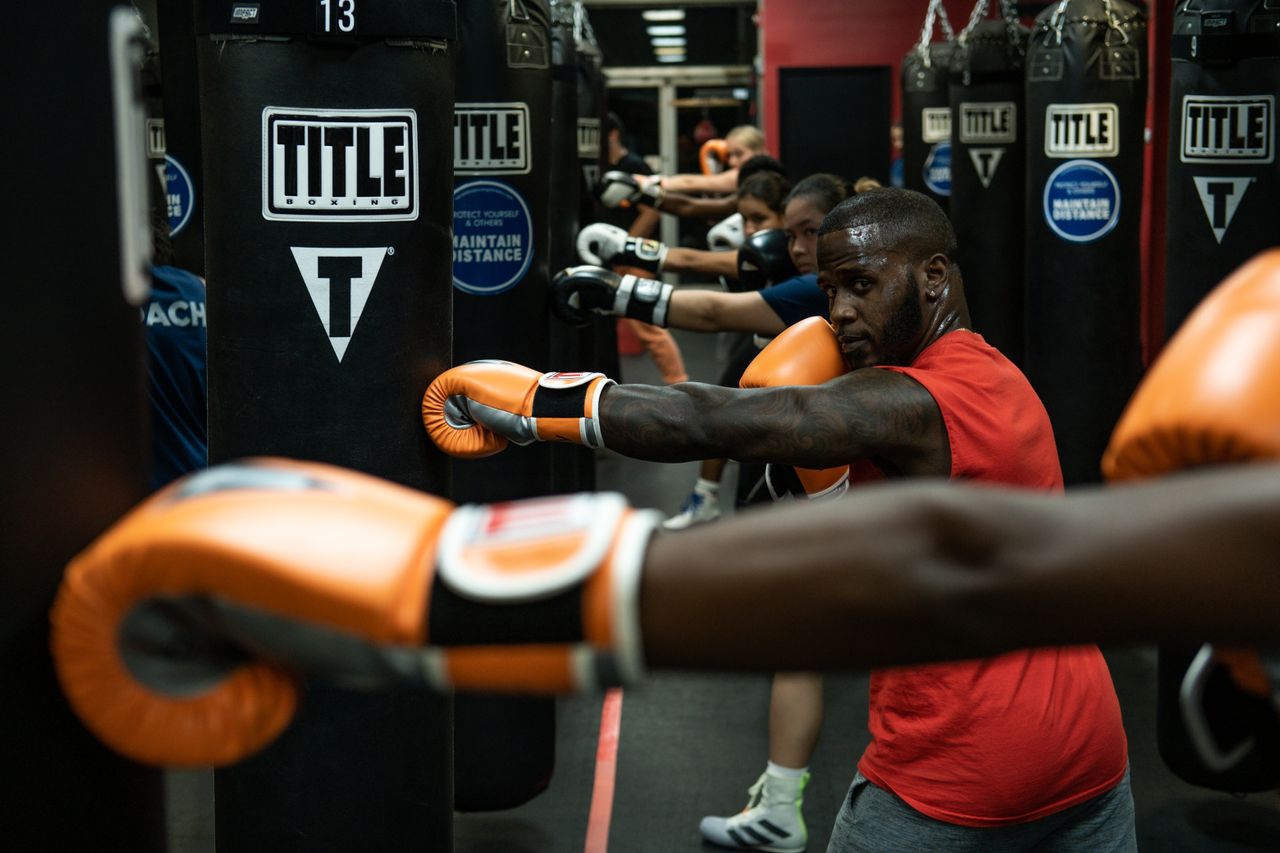
Georgia boxing is rooted in gyms, and those gyms serve several different purposes. Some are serious competition gyms focused on amateur and professional development. Some are youth programs built around discipline, mentorship, and after-school structure. Some are fitness-oriented boxing clubs that introduce adults to the sport without requiring them to compete. Others exist somewhere in between, mixing competitive fighters with recreational members who help keep the lights on.
That mix is common in modern American boxing, but it is especially important in Georgia. In a state where football, basketball, baseball, and track often claim the best young athletes first, boxing gyms have to create their own pipeline. Coaches must identify athletes who are willing to learn a difficult individual sport, keep them engaged through the slow early stages, and convince families that boxing can be a serious developmental path rather than just a tough activity.
The best Georgia boxing gyms tend to be built around coaching personality. A strong trainer can become the center of a local boxing community. Fighters follow trainers, parents trust trainers, and young athletes often stay in the sport because of a coach who gives them structure. In Georgia, where the scene is spread across multiple cities and suburbs, those coaching hubs are essential.
Atlanta has the deepest gym ecosystem, but important boxing work also happens outside the metro. Augusta, Savannah, Macon, Columbus, and other cities provide space for fighters who might not have immediate access to Atlanta-level competition. Military communities also influence Georgia boxing, especially around areas with large service-member populations. Boxing has long had ties to military training, and those communities can produce disciplined athletes who are comfortable with the demands of combat sports.
Youth boxing remains one of the most important parts of the state’s infrastructure. Amateur clubs give young fighters their first taste of competition, teach them how to handle pressure, and connect them to regional tournaments. The amateur scene is where Georgia boxing renews itself. Professional boxing can bring attention, but amateur boxing builds the base.
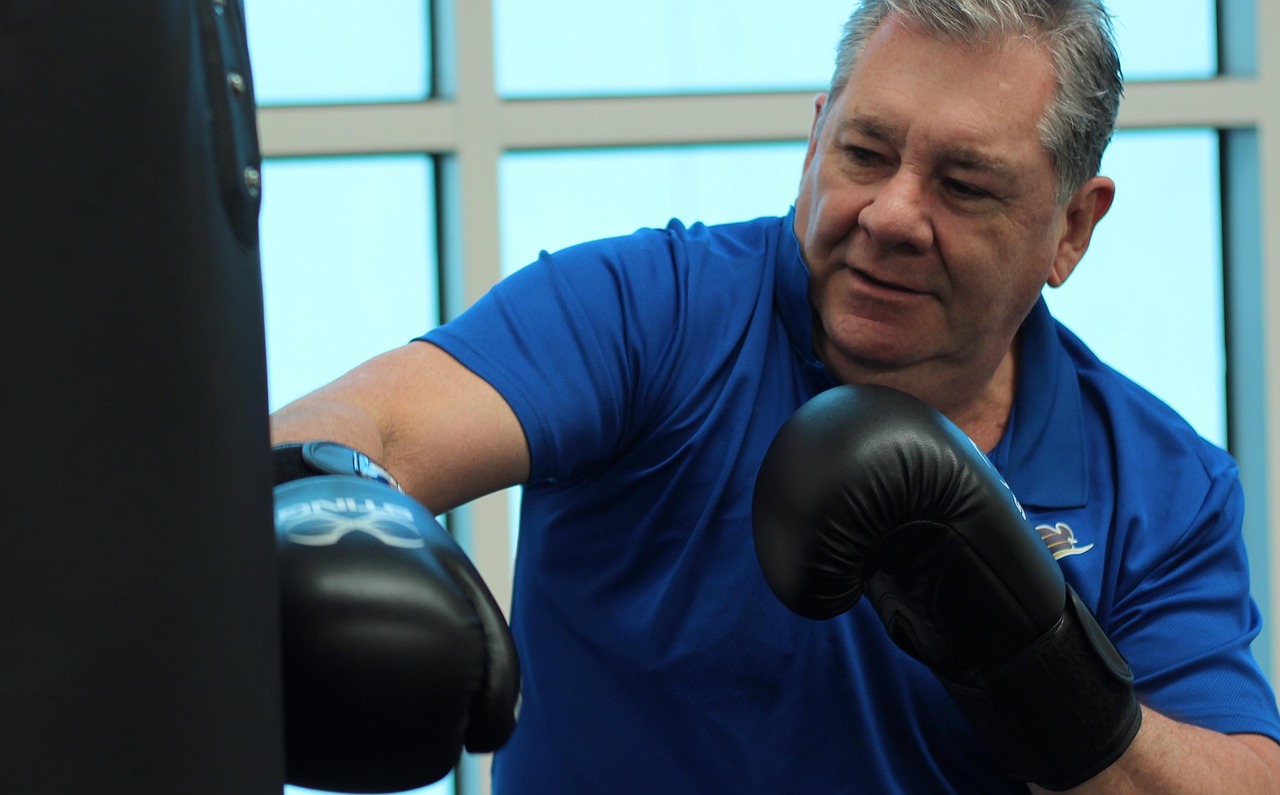
Fitness boxing has also changed the landscape. Not every person who walks into a boxing gym wants to fight, but recreational boxing can still support the competitive side of the sport. Adults who pay for classes help gyms survive. Fitness programs expose more people to boxing vocabulary, technique, and culture. Some recreational boxers eventually become fans, volunteers, sponsors, or parents of young fighters. That broader participation matters in a state where boxing competes for attention with larger sports.
Amateur Boxing and the Southern Circuit
Georgia’s amateur boxing scene is tied closely to the broader Southeast. Fighters often need to travel to find the right level of competition, and Georgia’s location makes it part of a regional boxing circuit that includes Florida, Alabama, Tennessee, South Carolina, and North Carolina. That regional structure helps Georgia fighters develop because they are not limited to one local pool of opponents.
Amateur boxing in Georgia is important for three reasons. First, it gives young fighters a structured path into the sport. Second, it allows coaches to measure their athletes against regional competition. Third, it creates the foundation for professional prospects who need experience before entering the paid ranks.
The amateur system is not glamorous, but it is where boxing skill is built. Young fighters learn how to win rounds, respond to different styles, control nerves, make weight, travel, lose without quitting, and adjust from one bout to the next. Georgia fighters who succeed at the amateur level usually do so because they have been tested by a mix of local and regional opponents.
The state’s amateur boxing identity is also shaped by athletic crossover. Georgia produces strong athletes in football, track, basketball, and wrestling. Some of those athletes find boxing later than fighters in places with deeper youth boxing traditions. That can create challenges because boxing rewards early technical development, but it also gives Georgia gyms access to explosive, competitive athletes who may adapt quickly once they commit to the sport.
The Southern circuit is valuable because it gives those athletes variety. A Georgia amateur might face a slick boxer from Florida, a rugged pressure fighter from Alabama, a disciplined technician from Tennessee, or a physically strong opponent from the Carolinas. Those experiences matter. A fighter who only dominates inside one gym or one city can be exposed later. A fighter who develops through regional competition is more likely to understand what higher-level boxing requires.
For Georgia, amateur boxing is the bridge between raw talent and serious boxing identity. It keeps the sport from becoming only a fitness activity or occasional professional event. It creates the next group of fighters who can represent the state.
Professional Boxing in Georgia
Professional boxing in Georgia has never been only about local fighters. It is also about the state’s ability to host events, attract regional talent, and connect to national fight promotion. Atlanta gives Georgia a major advantage because it is one of the most important cities in the South for live entertainment and media. A professional fight card in Atlanta can draw from local fans, regional travelers, celebrities, sponsors, and a large population of casual sports followers.
That said, Georgia’s professional boxing scene is not the same as Las Vegas, New York, Los Angeles, or even some older fight towns where boxing has been embedded for generations in the same venues and neighborhoods. Georgia’s pro scene is more flexible and event-driven. It can rise around a major card, a popular local fighter, or a promoter willing to build shows in the market.
For developing professionals, Georgia can be both useful and demanding. The state provides gyms, sparring, and exposure, but fighters often need to travel for opportunities. That is true throughout much of American boxing. Unless a boxer is attached to a major promoter or has a strong local following, building a professional record usually means fighting across state lines, taking short-notice opportunities, and navigating a regional network of matchmakers and small shows.
This is where Georgia’s position in the Southeast helps. A Georgia professional can stay connected to Atlanta while also fighting in nearby states. The broader Southern circuit allows fighters to build experience without immediately relocating to a traditional boxing capital. For some, Georgia becomes a home base rather than the entire marketplace.
Local shows remain important because they give young pros a chance to fight in front of family, friends, sponsors, and local fans. They also keep boxing visible to the public. A state can have good gyms and good fighters, but without live events, the sport becomes hidden. Fight nights give Georgia boxing a public rhythm. They create stories, rivalries, ticket sellers, comeback fights, and prospects worth following.
The professional scene also benefits from Atlanta’s broader entertainment culture. Boxing has always lived partly in sport and partly in spectacle. Atlanta understands spectacle. That does not automatically make it a boxing capital, but it gives the state a platform that many boxing markets do not have.
Women’s Boxing and the Growth of Participation
Women’s boxing is one of the most important growth areas for the sport in Georgia. The rise of women’s boxing nationally has changed how gyms recruit, train, and present the sport. More women are entering boxing for fitness, self-defense, competition, and professional opportunity. That matters because it expands the base of the sport beyond the older model of male youth fighters and adult male professionals.
In Georgia, women’s boxing growth fits naturally with the state’s broader sports culture. The state produces athletes, and many female athletes who grew up in basketball, soccer, track, softball, wrestling, or martial arts can transition into boxing if the right coaching and competitive opportunities exist. The key is infrastructure. Women’s boxing grows when gyms provide serious coaching, safe sparring environments, visible role models, and competition pathways.
Atlanta is especially important here because large metro areas tend to support broader participation. A city with many gyms, colleges, working professionals, and fitness communities gives women more entry points into boxing. Some will remain recreational boxers. Others will move toward amateur competition. A smaller number may attempt professional careers. All of those paths matter because they normalize women’s presence in boxing spaces.
Women’s boxing also helps Georgia gyms modernize. A gym that can train women seriously, rather than treating them as a side audience, is usually a stronger gym overall. It has better coaching standards, better class structure, and a wider community. As the sport continues to grow, Georgia’s ability to develop female amateurs and professionals will be an important sign of the state’s boxing health.
Georgia’s Boxing Style Is Athletic, Regional, and Adaptable
Some boxing places are associated with a specific style. Mexican boxing is often linked to pressure, body punching, and warrior identity. Cuban boxing is associated with amateur technique, movement, and ring intelligence. Philadelphia is associated with hard gym culture and tough local fighters. Georgia does not have one style that simple.
Georgia boxing is better understood as athletic and adaptable. Fighters from the state often come through a sports environment where speed, strength, conditioning, and competitiveness are already valued. The challenge is turning those traits into boxing craft. Georgia fighters who succeed are usually the ones who learn patience, defense, distance, and punch selection rather than relying only on athletic gifts.
That creates a coaching challenge but also a major opportunity. A physically gifted Georgia athlete who receives disciplined boxing instruction can become dangerous quickly. But boxing punishes shortcuts. The state’s best trainers understand that athleticism must be refined. A fast fighter still needs balance. A strong puncher still needs timing. A tough fighter still needs defense. A confident athlete still needs rounds against people who can make them uncomfortable.
The regional nature of Georgia boxing also affects style. Fighters who compete across the Southeast encounter different approaches. That variety prevents the scene from becoming too narrow. Georgia boxers may face aggressive pressure fighters, rangy technicians, slick counterpunchers, and physically strong athletes from neighboring states. Over time, that helps produce adaptable fighters who understand that boxing is not just about winning one way.
Georgia’s style, then, is not a single technical signature. It is a developmental pattern: athletic talent shaped by gym discipline, sharpened through regional competition, and tested by the need to travel for bigger opportunities.
The Cities That Keep Georgia Boxing Moving
Atlanta receives most of the attention, but Georgia boxing depends on a wider map. Augusta matters because of its connection to Vernon Forrest and its broader role as a serious sports city. Savannah has the kind of port-city, working-class, and military-adjacent identity that has historically supported boxing in many places. Macon sits in the middle of the state and has long been part of Georgia’s athletic fabric. Columbus has military influence and a strong local sports culture. Smaller cities and towns contribute fighters who may not always receive attention until they appear on a larger stage.
This matters because boxing often grows in overlooked places. A fighter does not need to come from a famous boxing neighborhood to become serious. They need a gym, a coach, competition, discipline, and enough support to stay with the sport. Georgia’s statewide boxing identity is built from those local pieces.
The spread-out nature of the state creates obstacles. Fighters may need to travel for sparring, tournaments, or better coaching. Smaller gyms may struggle with funding, equipment, and consistent participation. Local shows may be irregular. Media coverage may focus heavily on football and major college sports. Those are real structural challenges.
But the same geography also gives Georgia boxing depth. The state is large enough to produce athletes from different backgrounds and communities. It has urban centers, military towns, college towns, suburbs, rural areas, and working-class neighborhoods. Boxing can take root in all of them. The challenge is connecting those pockets into a stronger statewide ecosystem.
Georgia’s Place in American Boxing
Georgia’s place in American boxing is best understood as a major Southern contributor rather than a traditional national capital. It has produced and shaped elite fighters. It has hosted important fight nights. It has a large metro market in Atlanta. It has a real amateur base. It has enough gym culture to keep developing fighters. But it does not depend on one mythology or one era.
That makes Georgia different from older boxing centers. The state’s boxing story is still being written through a combination of local development and regional ambition. Atlanta gives Georgia access to the national stage. Smaller cities provide fighters and grassroots continuity. The Southeast provides opponents, circuits, and opportunity. Together, those pieces make Georgia an important boxing state even when it is not always discussed with the same shorthand as more famous fight regions.
Georgia also reflects the modern direction of American boxing. The sport is no longer concentrated only in a handful of old urban fight centers. It lives in suburban gyms, private training facilities, youth programs, fitness clubs, regional promotions, and digital media spaces. Georgia fits that modern model well. Its boxing scene is decentralized, athletic, commercially flexible, and connected to a large entertainment market.
The future of Georgia boxing will depend on whether the state can keep building pathways from youth participation to amateur success to professional opportunity. The talent is there. The population is there. The sports culture is there. The challenge is continuity: more tournaments, more consistent local shows, stronger gym networks, better support for coaches, and more visibility for fighters before they reach national television.
Why Georgia Boxing Still Has Room to Grow
Georgia boxing has already produced major names and meaningful fight culture, but its ceiling remains higher than its current profile. The state has the ingredients that boxing needs: athletes, cities, trainers, fans, venues, and a major media market. What it needs most is sustained attention.
A stronger Georgia boxing ecosystem would connect Atlanta’s platform with the rest of the state’s grassroots work. It would give amateur fighters more chances to compete, young professionals more local opportunities, and coaches more resources to develop athletes properly. It would also make room for women’s boxing, youth boxing, and recreational boxing as connected parts of the same larger scene rather than separate worlds.
The state’s boxing identity is not frozen in the past. Holyfield and Forrest remain essential names, but Georgia boxing cannot be defined only by its most famous figures. Its future will come from the gyms that are active now, the amateurs learning the sport now, the trainers building trust now, and the local fight cards that keep boxing visible in communities across the state.
Georgia may not always market itself as a boxing state first. Football will always dominate the sports conversation. Basketball, baseball, college athletics, and combat sports like MMA all compete for attention. But boxing has a durable place here because it offers something different. It gives individual athletes a hard road, a personal identity, and a chance to represent their gym, city, and state in the most direct way possible.
That is the core of boxing in Georgia. It is not one city, one style, or one famous name. It is a statewide fight culture pulled toward Atlanta but fed by many communities. It is Southern, athletic, ambitious, and still developing. For fighters willing to do the work, Georgia remains a place where boxing can start locally and reach far beyond the state line.