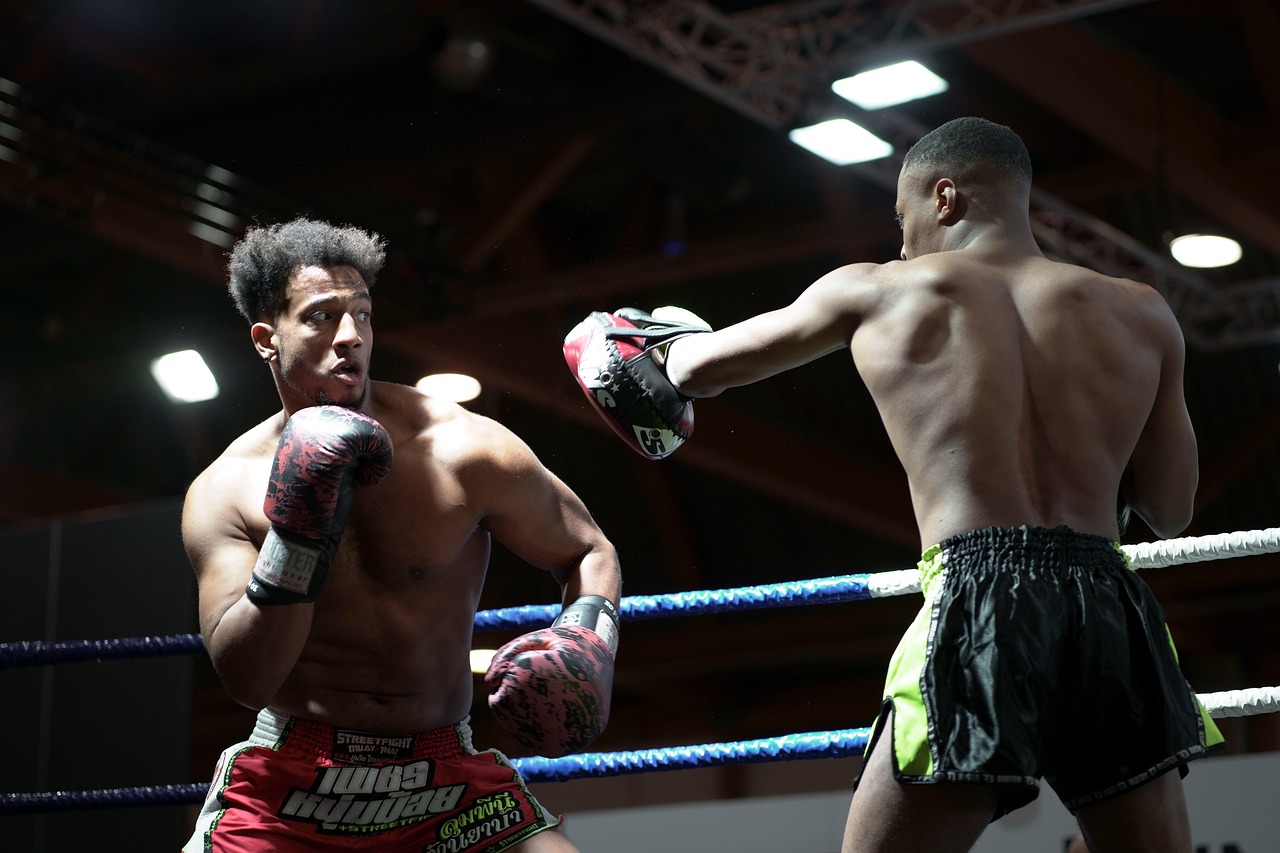
Boxing in Bangladesh is a South Asian amateur boxing story built around national championships, regional tournaments, service-team participation, and periodic breakthroughs at the South Asian Games. It is not one of Bangladesh’s mainstream spectator sports, and it does not have the commercial profile of cricket or football. But boxing has a deeper record than casual observers might expect. The country has produced regional medalists, hosted important South Asian Games bouts, and maintained a national boxing structure through clubs, service teams, federation activity, and domestic tournaments.
Bangladesh’s strongest boxing memories are tied to the South Asian Games. When Dhaka hosted the 2010 edition, Jewel Ahmed and Abdur Rahim won boxing gold medals at the Mohammad Ali Boxing Stadium, joining earlier Bangladeshi boxing gold medalists Musharaf Hossain and Mozammel Haque, who won in 1985 and 1993. That detail is central to Bangladesh’s boxing identity. The sport’s greatest national moments have come when Bangladeshi boxers used home advantage, regional rivalry, and tournament preparation to turn a relatively low-profile discipline into a medal source.
Those South Asian results also show the kind of boxing country Bangladesh has been. It is not a global professional exporter, but it can be competitive in the regional amateur setting when preparation, coaching, and support align. The 2010 golds were especially meaningful because they came in front of home spectators and placed boxing alongside other disciplines that contributed to Bangladesh’s medal count. Jewel Ahmed’s route from Rajshahi boxing to a South Asian Games title also points to the importance of local clubs outside the capital.
Bangladesh has also had earlier continental-level moments. The Asian Boxing Confederation noted that Bangladesh sent eight boxers to Jakarta in 1977 and that Abdul Halim and Abdur Rauf Khan earned bronze medals. That kind of result gives the country a longer amateur boxing record than its current visibility might suggest. Bangladesh boxing has had flashes of continental relevance, even if it has struggled to turn those flashes into a steady Asian elite presence.
The country’s current boxing scene is shaped by a mix of national championships, federation programs, service teams, regional clubs, and newer professional ambitions. The Bangladesh Professional Boxing Association was established in 2020, marking an attempt to create a more formal professional boxing environment. That development matters because Bangladesh’s boxing history has been overwhelmingly amateur and tournament-driven. A professional structure could give fighters more domestic opportunities, but it still has to compete for attention, sponsorship, and media space in a crowded sports landscape.
Women’s boxing and diaspora boxing are also becoming more visible parts of the Bangladesh story. Zinnat Ferdous, a United States-based Bangladeshi boxer, drew attention during the Paris 2024 qualification cycle, although reports said Bangladesh’s team was disqualified from the Bangkok qualifying tournament because registrations were missed. That episode showed both the potential and the administrative fragility around the program. Diaspora athletes can expand Bangladesh’s boxing reach, but they need a reliable national framework if they are going to turn personal ambition into international representation.
Bangladesh’s place in the changing Olympic boxing landscape is also worth watching. In December 2025, World Boxing endorsed the Bangladesh Boxing Federation’s membership application, alongside Bahrain and other national federations. For a country still trying to strengthen its amateur pathway, alignment with the modern international structure is important. It keeps Bangladeshi boxers connected to the competition system that will shape Olympic qualification and future world-level events.
The future of boxing in Bangladesh will depend on organization more than raw interest. The country has the population, regional history, and local toughness to produce fighters. What it needs is consistent coaching, more active clubs, better competition planning, stronger women’s development, and administrative reliability. Bangladesh boxing has already shown it can win in South Asia. The next step is turning those tournament moments into a deeper national boxing culture.