Philadelphia boxing starts in the gym. Before the champions, before the old arenas, before the documentaries and reputation, there is the room: heavy bags, old trainers, sharp sparring, concrete floors, neighborhood pride, and the constant expectation that a Philadelphia fighter should know how to work. Few American cities have a boxing identity as durable or as specific. Philadelphia is not merely a place where boxing has happened. It is one of the cities that helped define what American boxing is supposed to feel like.
The city’s boxing reputation comes from its neighborhoods. Philadelphia has long been a working-class fight city, shaped by rowhouse communities, ethnic enclaves, Black boxing history, immigrant traditions, police athletic programs, recreation centers, and old-school gyms where fighters learned through repetition and hard rounds. That neighborhood structure gave the sport a deep base. Boxing was not only entertainment. It was discipline, status, protection, escape, and local identity. A good fighter represented more than himself. He represented a block, a gym, a corner, and a way of carrying himself.
Philadelphia’s fighting style has become almost mythic. Not every Philadelphia fighter fights the same way, but the phrase “Philadelphia fighter” still means something. It suggests toughness, inside work, defensive craft, body punching, educated pressure, and a willingness to take hard fights before the money arrives. The city values skill, but it does not admire softness. A fighter can be slick in Philadelphia, but the slickness has to survive contact. That is one reason the city’s boxing culture has such respect beyond its championship count. Fighters from elsewhere know that a Philadelphia gym is rarely a comfortable place to learn on the job.
The city has produced and shaped a long line of important fighters. Joe Frazier stands at the center of Philadelphia boxing memory, not only because he became heavyweight champion of the world, but because his pressure, left hook, physical courage, and working-class persona fit the city so perfectly. Bernard Hopkins represents another Philadelphia archetype: disciplined, defensive, hard, mentally stubborn, and built through experience rather than hype. Meldrick Taylor brought Olympic brilliance and dazzling hand speed. Matthew Saad Muhammad became a symbol of dramatic violence and resilience. Tim Witherspoon, Bennie Briscoe, Joey Giardello, and many others add to a lineage that is too deep to reduce to a handful of names.
What makes Philadelphia unusual is that even its non-champions can become part of boxing lore. In some cities, only world champions are remembered. In Philadelphia, contenders, gym legends, sparring partners, trainers, and hard-luck professionals matter because the culture values the process. A fighter who never became famous nationally could still be respected locally if he fought serious opponents, trained honestly, and carried the city’s standards. That is a boxing culture, not just a sports market.
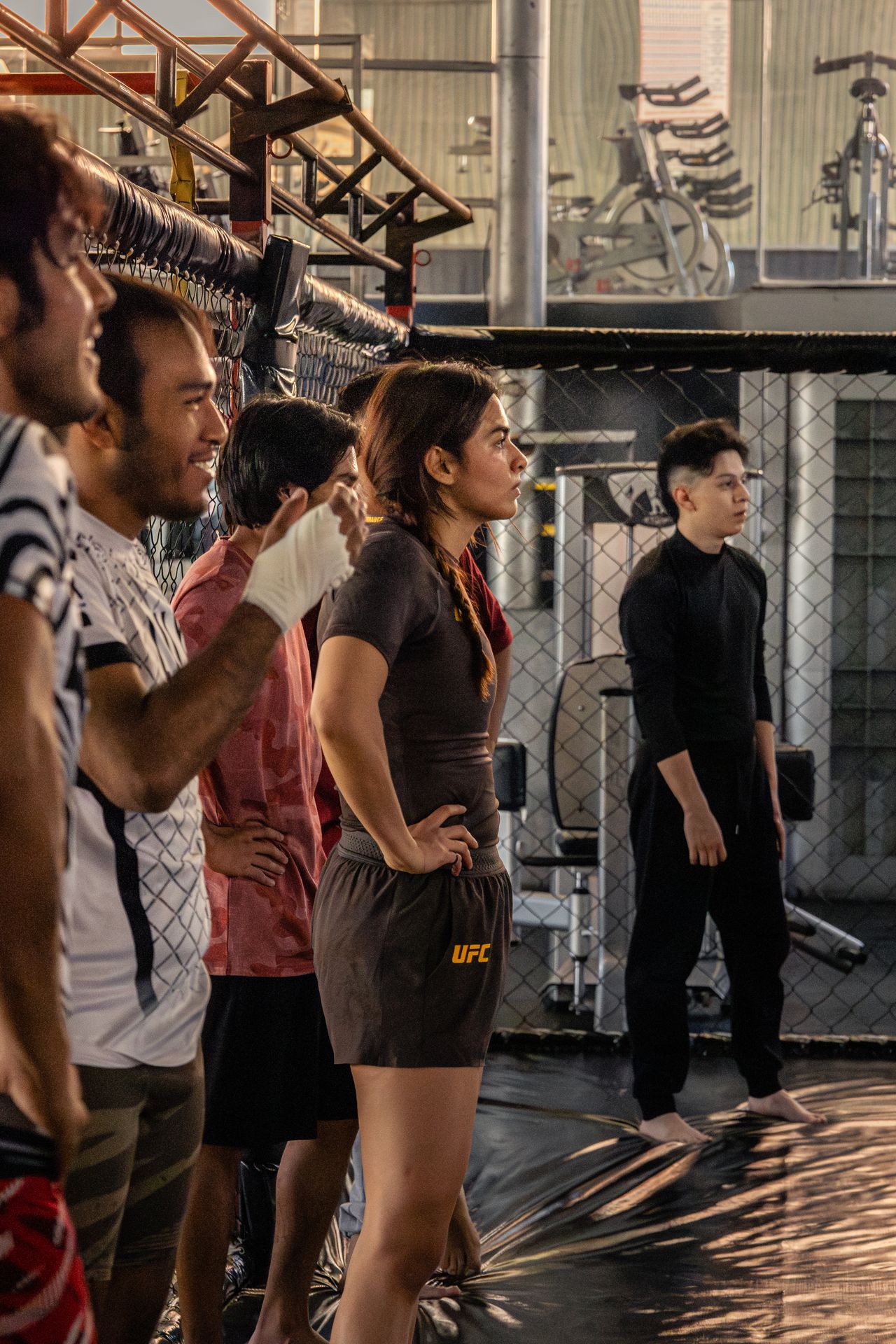
The city’s gym scene is central to that identity. Philadelphia boxing has been sustained by places where young fighters can learn the sport in its least glamorous form. Recreation centers, neighborhood gyms, and trainer-led programs have often done more for the city’s boxing culture than any single major event. These gyms teach footwork, defense, conditioning, discipline, and ring temperament, but they also teach belonging. In a city with deep inequalities and intense neighborhood identities, boxing gyms have often served as places where young people find structure and older fighters pass down hard-earned knowledge.
Amateur boxing remains important because Philadelphia fighters traditionally learn through local shows, Golden Gloves-style competition, regional tournaments, and serious sparring. The city’s amateur scene is not just a feeder system for professionals. It is part of the culture itself. A young fighter in Philadelphia can be tested early because the area has enough gyms, enough trainers, and enough competitive pride to make development real. That density is one of the city’s great advantages.
Professional boxing in Philadelphia has had different eras, from major arena nights to smaller club shows, but the city has never needed constant glamour to remain relevant. In fact, Philadelphia’s boxing identity works almost better without polish. The city’s fight nights are often at their most authentic when they feel local, intense, and unforgiving. Philadelphia has always been a place where a fighter’s record may matter less than whether he can handle the room.
The future of Philadelphia boxing depends on preserving that gym culture while adapting to modern boxing economics. The sport has changed. Major promotions are more centralized, television and streaming opportunities are uneven, and young athletes have more sports and fitness options than before. But Philadelphia still has what many places cannot manufacture: memory, standards, trainers, neighborhood pride, and a public that understands the difference between a protected prospect and a real fighter. As long as those things remain, Philadelphia will remain one of America’s true boxing cities.