Hilton Head is not a traditional boxing hotbed, and that is the first thing that makes its boxing identity clear. This is not Philadelphia, Detroit, Las Vegas, Los Angeles, or Mexico City. Hilton Head is better known for golf, tennis, beaches, resorts, retirees, vacationers, and coastal South Carolina life than for championship fighters or old-school boxing gyms. Boxing here has to be understood as a smaller, participation-based scene rather than a major professional fight market.
That does not mean boxing has no place in Hilton Head. It means the sport serves a different role. In a community shaped heavily by tourism, seasonal residents, hospitality workers, military families in the broader Lowcountry, and nearby regional towns, boxing is more likely to appear through fitness training, youth programs, personal coaching, martial arts gyms, and regional amateur connections than through a dense local prizefighting circuit.
The broader Lowcountry context matters. Hilton Head Island itself is relatively small and resort-oriented, but it sits near Bluffton, Beaufort, Savannah, and the wider South Carolina and Georgia coastal region. A serious boxer from Hilton Head would likely think regionally from the beginning. Training might happen locally, but competition, sparring, and development would often require travel. That is common in smaller boxing markets. The local gym introduces the sport; the regional circuit tests whether a fighter is serious.
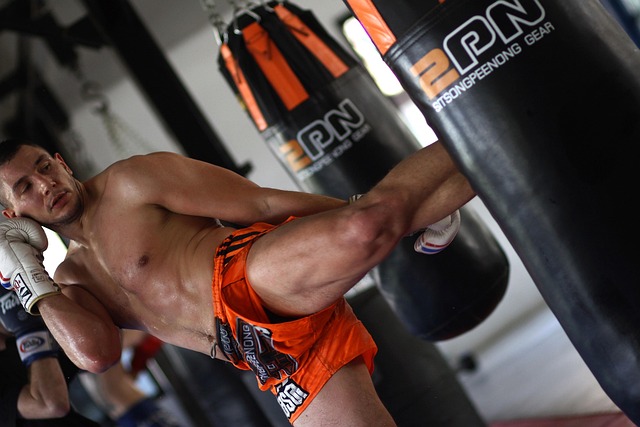
Boxing in Hilton Head also fits into the modern growth of boxing as a fitness discipline. In places where the professional boxing infrastructure is limited, the sport often survives and expands because adults want the training even if they never intend to fight. Heavy bag rounds, mitt work, jump rope, footwork drills, interval conditioning, and basic defensive movement translate well to fitness settings. For Hilton Head, with its health-conscious residents and active visitor economy, that recreational side is likely more visible than the competitive side.
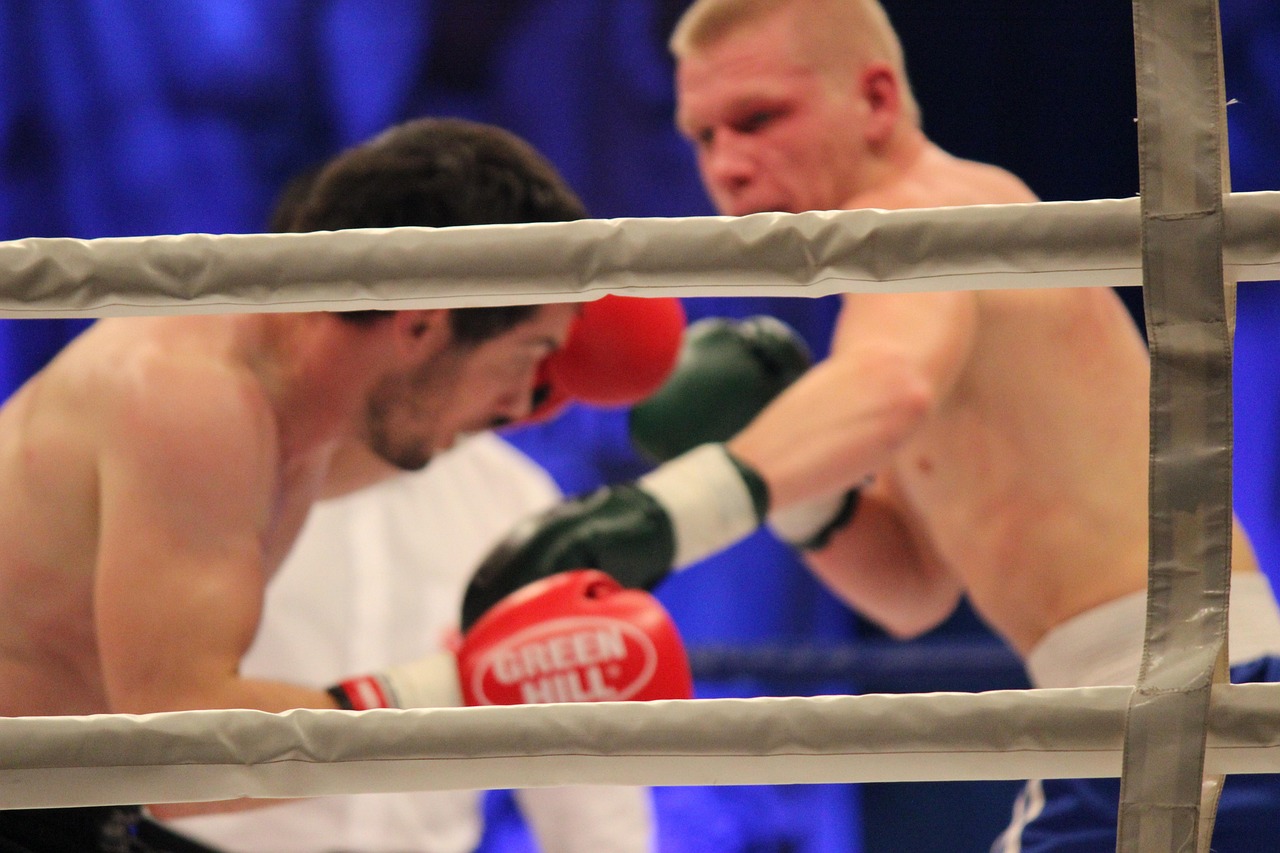
The challenge is that fitness boxing and competitive boxing are not the same thing. A good Hilton Head boxing profile has to recognize both. Fitness boxing can introduce people to the sport and create demand for coaches, classes, and facilities. Competitive boxing requires a different level of discipline: sparring, USA Boxing-style amateur rules, medical clearance, matchmaking, road work, weight management, and the emotional adjustment that comes with being hit by someone who is trying to win. Smaller scenes need both, but they also need clear boundaries between them.
Hilton Head does not have a deep list of famous boxers tied directly to the island in the way larger cities can point to champions, contenders, and historic gyms. Its boxing story is more about access than legacy. The important question is not “Which champions made Hilton Head famous?” but “How does boxing fit into a coastal community that was not built around the fight game?” That answer points toward training spaces, regional events, youth discipline, adult fitness, and the possibility of local athletes connecting to larger boxing networks nearby.
Savannah is especially relevant because it offers a larger nearby urban market with deeper combat-sports possibilities. Charleston and other South Carolina cities also matter within the regional fight picture. For a Hilton Head boxer, the pathway would likely involve moving through this network: local instruction, regional sparring, amateur tournaments, and possibly professional opportunities elsewhere if the talent and commitment are there.
Youth boxing could be one of the most meaningful areas of growth. In smaller communities, boxing programs often matter because they offer structure, confidence, physical literacy, and discipline. Even when they do not produce professional fighters, they can give young athletes a demanding sport that rewards consistency. That is particularly valuable in a place where the public image is dominated by leisure and tourism. Boxing brings a different kind of athletic seriousness.
Hilton Head’s boxing future will probably not be defined by major title fights or a flood of professional prospects. Its role is more likely to be local and regional: a place where boxing training grows through fitness demand, where serious athletes connect outward to the Lowcountry and Georgia circuits, and where the sport remains available for those who want something more demanding than ordinary gym exercise. Hilton Head boxing is small-market boxing, but small-market boxing still matters. It keeps the sport alive in places where the ring is not the center of town but still has a place for anyone willing to step into it.