Minneapolis boxing has a northern fight identity: disciplined, local, resilient, and connected to a wider Minnesota combat-sports culture. It is not usually framed as one of America’s classic boxing capitals, but the city has a serious boxing tradition built through gyms, amateurs, regional cards, and fighters who develop in a market that demands persistence. Minneapolis boxing is less about spectacle and more about staying power.
The city’s boxing roots fit the pattern of many older American urban centers. Boxing grew through working communities, local athletic clubs, neighborhood gyms, immigrant groups, and amateur programs. In Minneapolis, as in nearby St. Paul, the sport found a place among athletes who wanted direct competition and coaches who knew how to build discipline in small rooms. The Twin Cities area has long had enough population, diversity, and sporting infrastructure to sustain boxing even when national attention shifted elsewhere.
Minneapolis also benefits from being part of a two-city fight region. St. Paul has its own boxing history, and together the Twin Cities create a stronger boxing ecosystem than either city would alone. Fighters can train in one city, spar in another, compete on local cards, and move through Minnesota’s amateur and professional circuits without leaving the metro area. That regional closeness gives Minneapolis boxing a practical advantage. The scene is not huge, but it is interconnected.
Famous boxers from the Minneapolis area and Minnesota more broadly have helped give the state a recognizable place in boxing. The region has produced professional contenders, tough club fighters, and nationally visible names across eras. But Minneapolis boxing is not defined only by champions. It is also defined by the gyms that produce amateurs, the coaches who keep fighters active through long winters, and the local shows that give boxers a reason to stay sharp.
The climate matters more than it might seem. In a city with long winters, indoor sports culture has real importance. Boxing gyms become year-round athletic spaces where fighters can train regardless of weather. That helps explain why boxing can survive in northern cities even when it is not the dominant sport. The gym becomes a controlled world: heat, bags, ropes, mirrors, rounds, and routine. For young fighters, that routine can be as important as competition itself.
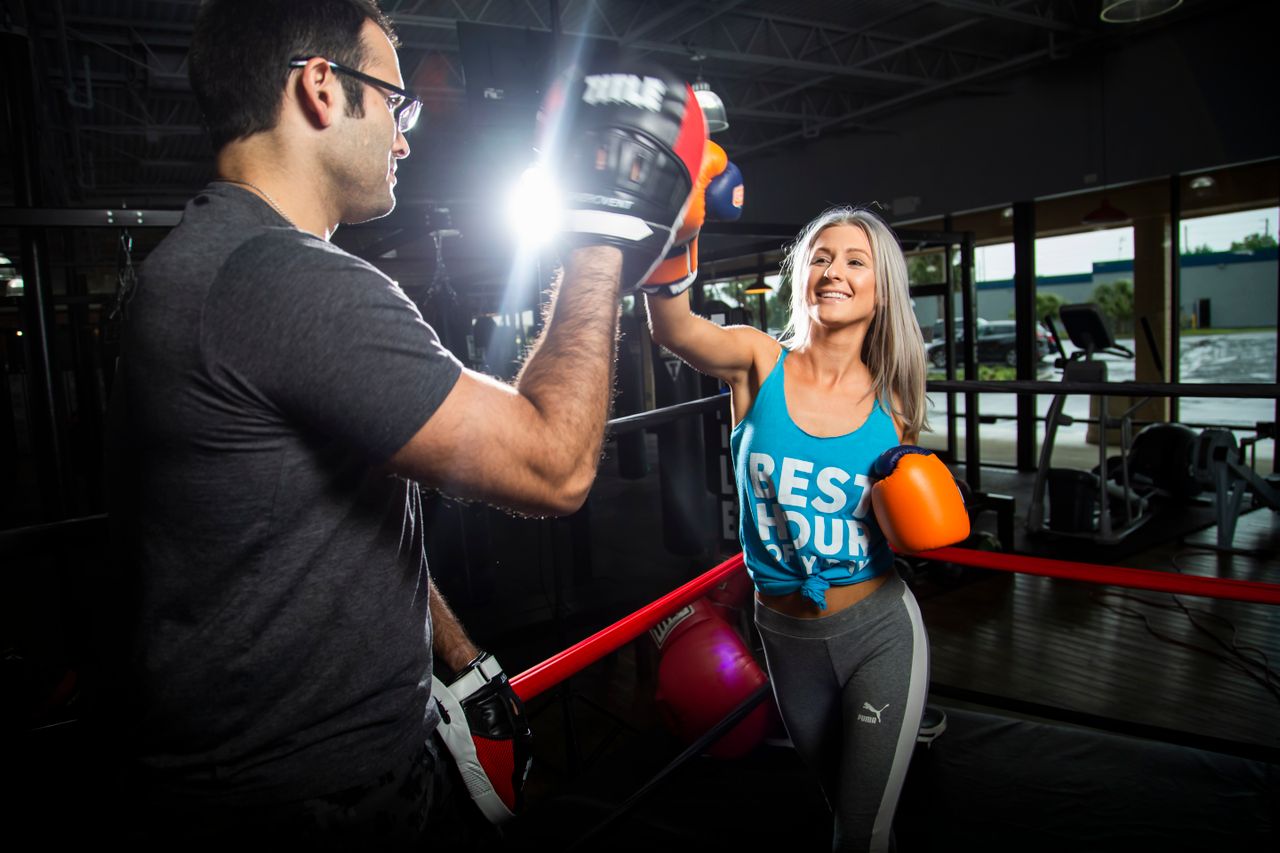
Boxing gyms in Minneapolis often serve a mixed population. Some athletes are serious amateurs chasing tournaments. Some are professionals or aspiring professionals trying to build records through regional cards. Others enter through fitness boxing and later discover the deeper culture of the sport. That mix can be healthy when the gym maintains respect for real boxing fundamentals. The city’s best boxing spaces are not just workout studios. They are teaching rooms.
Amateur boxing is central to the Minneapolis scene. Fighters need local tournaments, state-level competition, regional travel, and consistent sparring to develop. The pathway often runs through the Upper Midwest, with opponents from Minnesota, Wisconsin, Iowa, the Dakotas, Illinois, and beyond. This gives Minneapolis fighters a regional identity. They are not only representing a city; they are competing inside a northern circuit where toughness and conditioning matter.
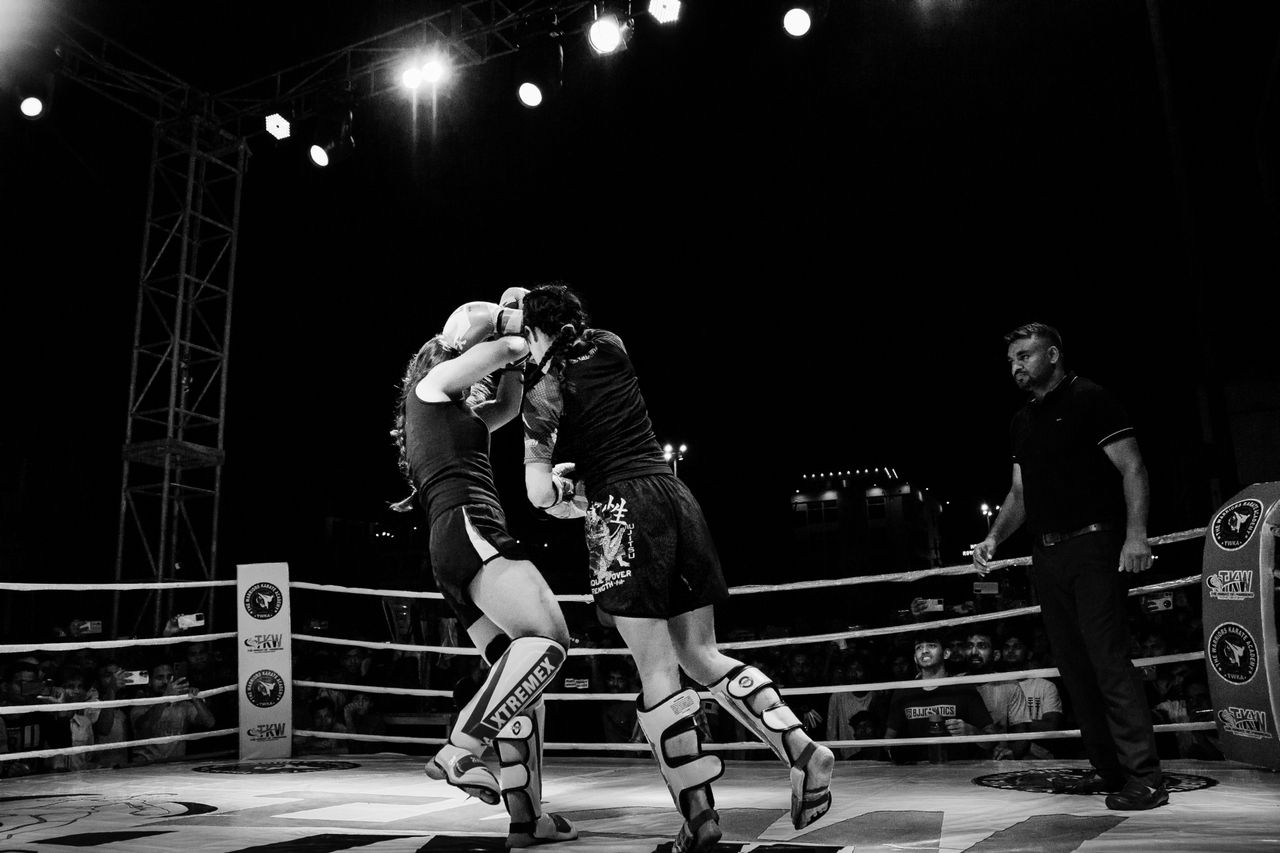
Professional boxing in Minneapolis has had moments of visibility, but it usually operates outside the constant national spotlight. That gives local fight nights a different feel. Regional cards can be intimate, competitive, and connected to the gyms that produced the fighters. Fans may know the coaches, the families, the amateurs on the undercard, and the local stakes behind each bout. That kind of boxing culture is easy to overlook, but it is the foundation of the sport.
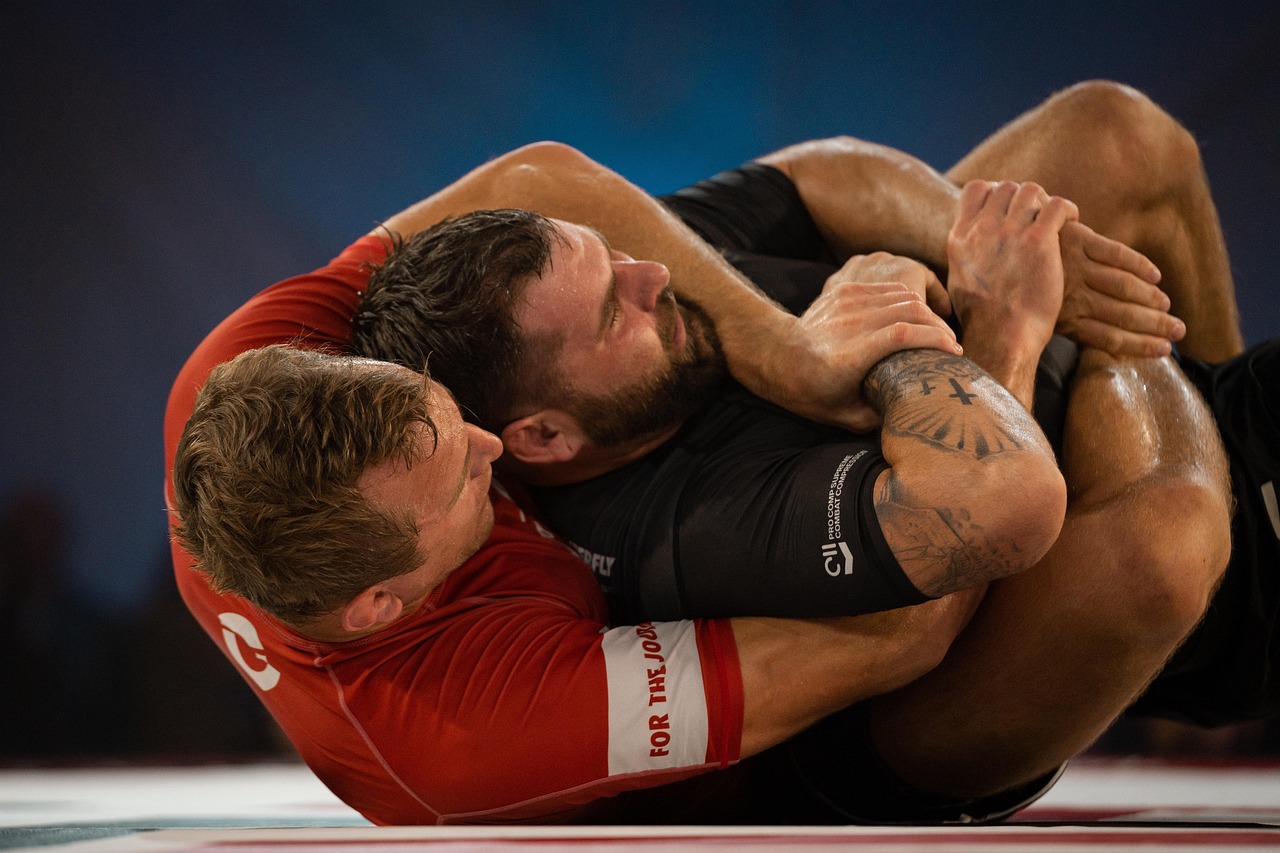
Minneapolis also sits in a wider combat-sports environment that includes MMA, wrestling, kickboxing, and martial arts. Boxing has to hold its own in that ecosystem. Its advantage is clarity. The sport offers a direct test of hands, footwork, defense, conditioning, and nerve. For athletes who want that specific challenge, Minneapolis still has a place for them.
The future of boxing in Minneapolis depends on the same forces that sustain it now: committed gyms, youth access, amateur competition, regional shows, and coaches who can turn interest into craft. The city may not be a global fight capital, but it does not need to be. Minneapolis boxing is a serious local scene with a strong regional backbone, and that is enough to keep producing fighters.