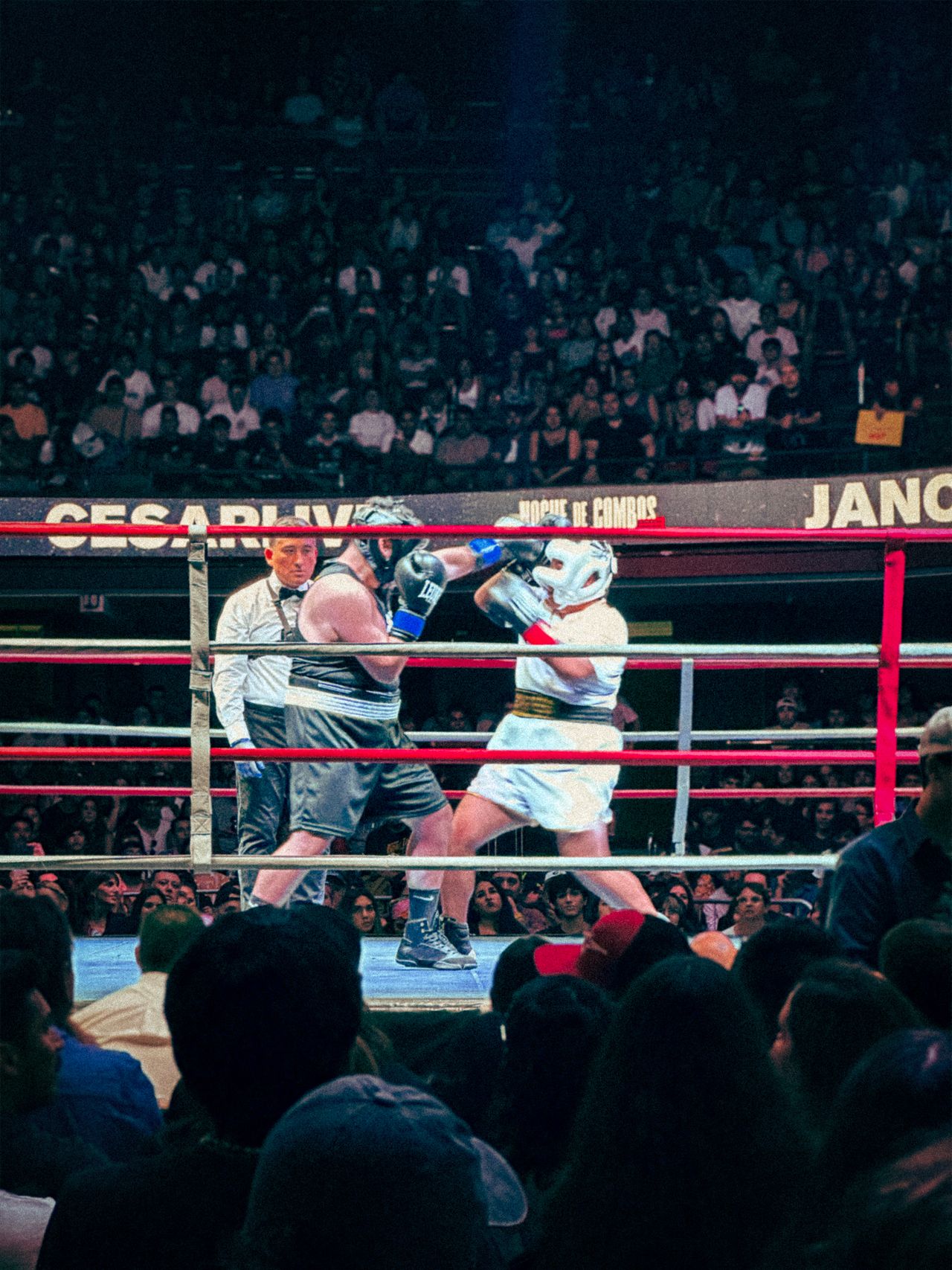
Boxing in Nauru is best understood as a small-island combat sport built around limited numbers, close coaching, regional competition, and the importance of every athlete who steps into the ring. Nauru is not a large professional boxing market, and it does not have the kind of domestic fight calendar found in bigger countries. Its boxing identity is instead tied to amateur development, national representation, and the Pacific sports circuit, where small delegations can carry major symbolic weight.
For a country with one of the smallest populations in the world, boxing offers a direct route into international sport. A Nauruan boxer does not need a massive professional industry behind him or her to matter. The pathway is more compact: local training, national selection, regional tournaments, Pacific competition, Commonwealth exposure, and, for the very best, the possibility of Olympic qualification. That makes the sport highly personal. A single promising fighter can become a national representative quickly, while a single committed coach or gym can influence the entire shape of the country’s boxing scene.
Nauru’s sporting reputation has often been associated with strength-based sports, especially weightlifting and powerlifting, but boxing fits naturally beside that tradition. It rewards physical toughness, discipline, conditioning, and the ability to compete against larger sporting nations without needing a large team. In island sport, boxing has long been one of the disciplines where smaller Pacific nations can test themselves directly against Samoa, Fiji, Tonga, Papua New Guinea, New Zealand-linked programs, and other Oceania boxing communities.
The Nauru Boxing Federation gives the sport its organized structure, connecting local boxing activity to the wider Oceania and international amateur boxing system. That matters because Nauru’s boxers need regional access more than domestic volume. The country cannot rely on a large internal ladder of clubs, leagues, and fight nights. It needs sparring, coaching exchange, tournament invitations, and regional recognition. In that sense, boxing in Nauru is less about a crowded national scene and more about building enough quality to compete beyond the island.
Training culture in Nauru is likely to remain intimate by nature. The same athletes, coaches, families, and sports officials often know each other, and development depends on consistency rather than scale. Young fighters need basic ring time, proper technical instruction, conditioning habits, and exposure to opponents with different styles. That last point is especially important. A boxer from a small island can learn the fundamentals at home, but growth usually accelerates when he or she faces regional opponents who bring different rhythms, reach, footwork, and levels of experience.
The Pacific Games and Commonwealth Games are especially important reference points for Nauruan boxing. These competitions give Nauru’s boxers a stage that is realistic, prestigious, and culturally meaningful. They also place Nauru inside a broader Oceania boxing story, where national pride and regional rivalry often matter as much as medals. For small countries, the experience of sending fighters abroad can strengthen the sport at home, even when the results are modest. Athletes return with a clearer picture of international standards, coaches see what needs to improve, and younger fighters gain a visible target.
Nauru does not have a long list of globally famous professional boxers, and that should not be treated as a weakness. Its boxing story is not built like Mexico, the Philippines, Cuba, or Kazakhstan. It is a small-program story, where the central question is how much can be built from a narrow base. In that environment, the most important names may be coaches, administrators, and national representatives rather than world champions.
The future of boxing in Nauru depends on sustainability. The sport needs safe gyms, reliable equipment, trained coaches, regular sparring, women’s participation, youth recruitment, and continued access to Oceania competition. If those pieces remain active, Nauru boxing can continue to give the country a place in the ring far larger than its population would suggest.