Palm Springs is not one of America’s obvious boxing capitals, but that is part of what makes its fight identity distinct. It is a desert sports market where boxing lives less as a year-round professional machine and more as a blend of fitness culture, youth training, regional California fight traffic, casino-adjacent events, and the broader combat-sports energy of Southern California. The city’s name carries glamour, tourism, mid-century leisure, golf, tennis, and resort culture more than it carries old fight-gym mythology, yet boxing has a place here because the Coachella Valley sits inside one of the deepest fight regions in the United States.
The boxing scene around Palm Springs is shaped by geography. It is close enough to Los Angeles, Orange County, San Diego, Riverside, San Bernardino, and the Inland Empire to be connected to serious fight culture, but it is far enough away to have its own desert rhythm. Fighters and trainers in the area are not isolated from California boxing. They are part of a state where Mexican American boxing traditions, amateur tournaments, small-hall shows, casino cards, and major championship nights all feed into the same ecosystem. Palm Springs may not produce the volume of fighters associated with Los Angeles or the Inland Empire, but the surrounding region gives local boxing a real pathway.
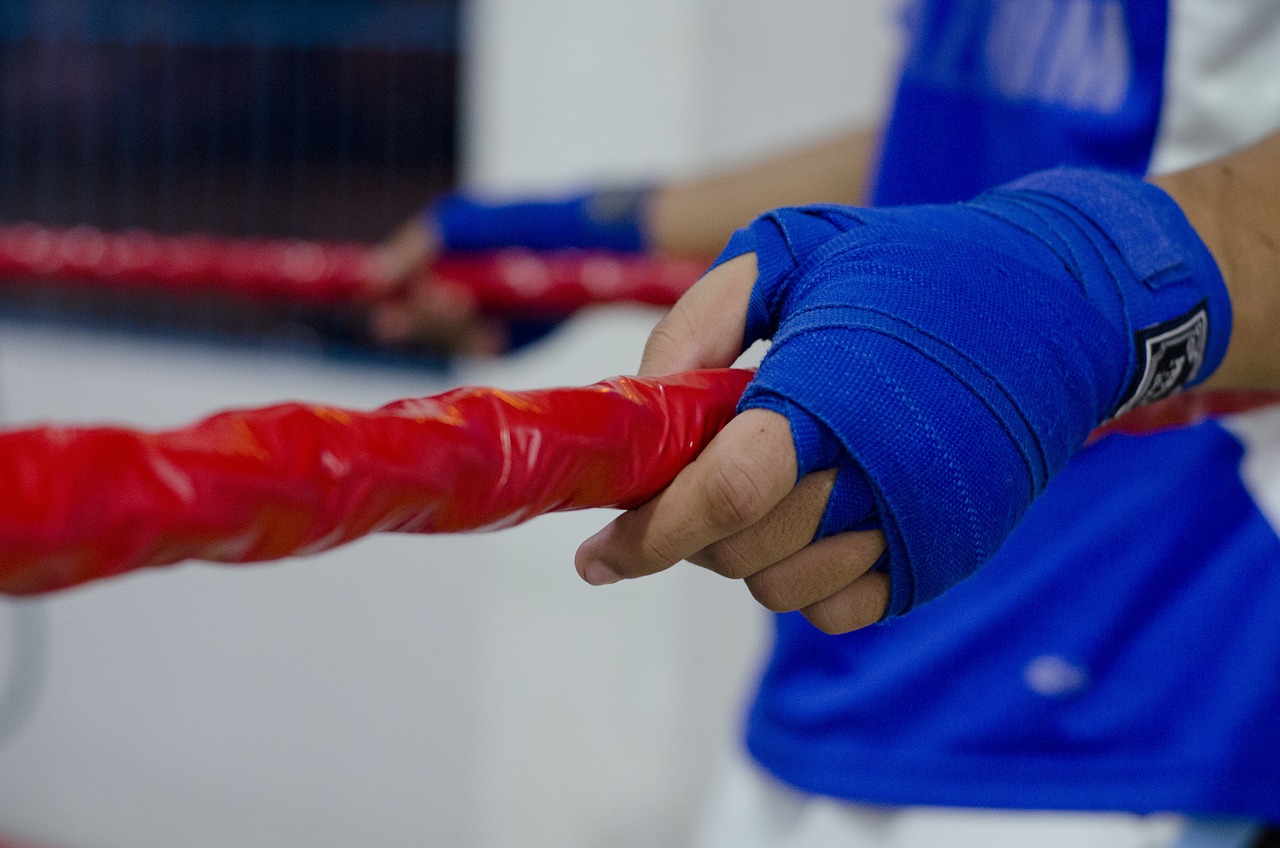
For many people in Palm Springs, boxing first appears through gyms and training rooms rather than through major arena events. The sport fits naturally into the area’s health and fitness economy. Boxing workouts, bag classes, private coaching, youth training, and self-defense-oriented instruction all sit beside the desert’s larger wellness identity. That does not make boxing superficial here. It simply means the sport has several layers. Some people train for conditioning, some train for discipline, some train through youth programs, and a smaller group pursues amateur competition or professional development.
The Coachella Valley also gives boxing a cultural base. Southern California boxing has long been shaped by Mexican and Mexican American fight culture, and that influence extends east into the desert. The language of the sport here is often tied to toughness, pressure, body punching, family support, and the Saturday-night rhythm of televised fights. Even when Palm Springs itself is not the headline, the region is surrounded by communities where boxing remains a familiar sport. That matters because boxing culture is rarely confined to municipal boundaries. It travels through families, gyms, bars, casinos, amateur shows, and local coaches who keep fighters moving.
Professional boxing in the Palm Springs area is usually best understood through the regional circuit. Fighters from the desert may need to travel toward Los Angeles, the Inland Empire, Las Vegas, or tribal casino venues to build records and find tougher matchmaking. That travel pattern is common in American boxing. A fighter does not need to come from a major fight city to become serious, but they do need access to sparring, coaches, licensing, medicals, promoters, and competitive opponents. Palm Springs benefits from being close to several of those pipelines.
The area’s casino and resort environment also matters. Boxing has always had a relationship with destination entertainment, from Las Vegas to Atlantic City to tribal casino venues across the country. Palm Springs is not Las Vegas, and it should not be treated as such, but the desert’s hospitality economy makes fight nights a natural fit when the right promotion, venue, and audience line up. Local cards, combat-sports events, and regional shows can work well in places where tourism and entertainment already bring crowds.
Palm Springs boxing is therefore a quieter kind of boxing story. It is not built around a long list of world champions from the city, and it does not have the dense neighborhood gym mythology of Philadelphia or Chicago. Its identity is more regional, more flexible, and more connected to Southern California’s larger fight map. It is a place where boxing can exist as fitness, youth discipline, amateur development, regional competition, and occasional fight-night entertainment all at once.
The future of boxing in Palm Springs depends on the same things that sustain the sport in many smaller American markets: committed coaches, accessible gyms, youth participation, regional matchmaking, and the ability to connect local fighters to larger circuits. The city’s advantage is that it is not starting from nowhere. It sits inside California, one of the most important boxing states in the country, and close to a desert and Inland Empire fight culture that gives the sport a real foundation. Palm Springs may not be a classic boxing capital, but it has enough regional gravity to be a meaningful part of the Southern California boxing landscape.