Boxing in the United Kingdom has never belonged to one city, one class, one era, or one style of fighter. It is a national fight culture built from London prize rings, Welsh champions, Scottish toughness, Northern Irish boxing nights, English gym systems, Olympic programs, and a professional scene that has repeatedly turned local fighters into global attractions. The UK is not simply a country where boxing is watched. It is one of the places where modern boxing was organized, commercialized, mythologized, and kept alive through both elite arenas and small neighborhood gyms.
The British boxing identity is unusually broad. It includes old bare-knuckle prizefighting history, the codification of rules, the amateur club tradition, the rise of television fighters, the boom of stadium boxing, and the modern promotional machine that can turn a heavyweight title fight into a national event. It also includes the smaller rooms where the sport still feels close to its roots: York Hall in Bethnal Green, working men’s clubs, leisure-center shows, military boxing nights, university clubs, and amateur championships where future professionals first learn how to win under pressure.
The United Kingdom has produced heavyweight champions, middleweight icons, featherweight entertainers, Olympic gold medalists, women’s boxing pioneers, rugged domestic champions, and fighters whose reputations were built as much on character as on belts. Its boxing geography matters. London brings history and scale. Manchester brings atmosphere and gym culture. Liverpool, Sheffield, Birmingham, Leeds, Nottingham, Cardiff, Swansea, Glasgow, Edinburgh, Belfast, and many smaller towns have each supplied their own fighters and audiences. The result is a boxing culture that feels national, but never generic.
A Country That Helped Shape the Sport Itself
The United Kingdom’s connection to boxing reaches back to the foundations of the modern sport. Prizefighting in Britain was once a rougher, less regulated contest, tied to gambling, public spectacle, and physical endurance. Over time, the sport moved from bare-knuckle contests toward the gloved, rule-bound version recognized today. The Marquess of Queensberry Rules, associated with 19th-century British boxing, became central to the transition toward modern boxing’s structure: rounds, gloves, counts, and a clearer distinction between sport and street violence.
That history gives British boxing a particular sense of ownership. The UK did not merely adopt boxing from somewhere else. It helped formalize the sport’s language and competitive architecture. The professional ring, the referee’s authority, the disciplined boxing gym, the idea of the title fight as both contest and public drama all became part of British sporting culture long before the modern pay-per-view era.
London played a major role in this development. The capital’s fight scene grew alongside its entertainment industry, working-class neighborhoods, newspapers, betting culture, and later television. British boxing became a sport of both local pride and national argument. Fighters were judged not only by results, but by courage, style, temperament, and whether they seemed to represent something recognizably British: resilience, understatement, defiance, or the ability to survive a hard night in front of a demanding crowd.
Yet the sport was never only London’s property. Mining towns, port cities, industrial communities, military bases, and immigrant neighborhoods all helped give British boxing its depth. In Wales, Scotland, Northern Ireland, and northern England, boxing often took root where hard physical work, tight communities, and limited sporting infrastructure made the gym a powerful outlet. The ring became a place where discipline could turn toughness into technique.
The British Boxing Gym as a Local Institution
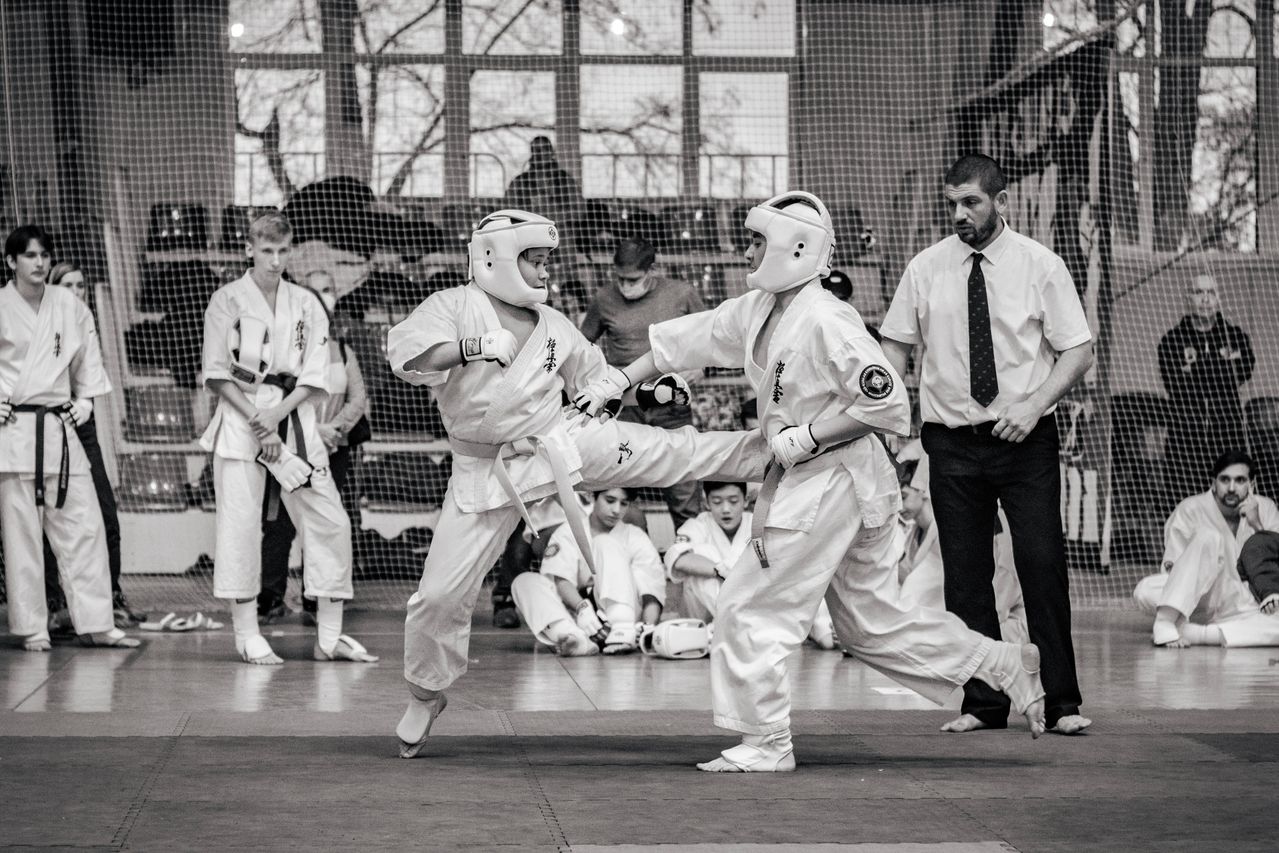
To understand boxing in the United Kingdom, the gym matters as much as the arena. British boxing has always depended on small rooms, volunteer coaches, cold early sessions, and club structures that introduce young fighters to the sport before promoters, rankings, or title belts become relevant. Many of the country’s most important fighters began in amateur clubs where boxing was not sold as glamour. It was taught as footwork, guard position, straight punches, discipline, roadwork, sparring etiquette, and learning how to lose without disappearing.
The British boxing club often serves a wider social role. In many towns and urban neighborhoods, gyms give young people a structured environment built around respect, routine, and accountability. Coaches are not only technical instructors. They are mentors, disciplinarians, corner men, organizers, and sometimes the people who keep a fighter connected to school, work, or a stable daily rhythm. That is why British boxing coverage often returns to the gym story. The country’s fight culture is not just made on major undercards. It is made in clubs where no one is famous yet.
Certain cities have especially strong gym identities. London has deep boxing roots across the East End, South London, West London, and beyond. Manchester has produced some of the country’s most atmospheric fight nights and most loyal boxing crowds. Sheffield’s English Institute of Sport has become associated with elite amateur preparation, while the city also has a strong professional tradition. Liverpool’s boxing culture is intense, competitive, and technically serious. Birmingham and the Midlands produce fighters through a mix of amateur clubs, professional gyms, and diverse urban communities. Belfast’s boxing scene carries a distinctive emotional charge, especially when major fighters bring title nights home.
British gyms also reflect the country’s changing demographics. Boxing in the UK has long been shaped by Irish, Caribbean, South Asian, African, Eastern European, and Middle Eastern communities. Fighters often carry local, national, and family identities into the ring at the same time. That has given British boxing a layered personality. A fighter can represent a borough, a city, a country within the UK, a diaspora community, and Britain on the international stage all at once.
Famous Boxers From the United Kingdom
The United Kingdom’s list of major fighters is too long to reduce to a simple roll call, but certain names define eras. Lennox Lewis stands among the greatest heavyweights in boxing history. Born in London and representing Canada as an amateur before becoming a British professional icon, Lewis brought size, intelligence, patience, and finishing power to the heavyweight division. His reign helped establish a model of the modern heavyweight as both physical force and disciplined technician.
The British heavyweight line continued through figures such as Henry Cooper, Frank Bruno, Tyson Fury, and Anthony Joshua, each of whom occupies a different place in the public imagination. Cooper became beloved for his bravery and his famous left hook against Muhammad Ali. Bruno became a national figure through charisma, persistence, and his eventual world title victory. Fury turned himself into one of the defining heavyweights of his generation, blending unusual movement, size, showmanship, and resilience. Joshua brought Olympic gold, stadium boxing, commercial power, and a polished athletic style that helped introduce a new audience to British boxing.
Outside the heavyweights, British boxing has produced champions and personalities across divisions. Joe Calzaghe, from Wales, retired unbeaten and became one of the finest super-middleweights of his era, known for pace, volume, adaptability, and a long championship reign. Prince Naseem Hamed changed the feel of British boxing in the 1990s, combining Sheffield roots, Yemeni heritage, explosive punching, and theatrical ring entrances that made him one of the sport’s most recognizable featherweights. Ricky Hatton turned Manchester boxing into a mass movement, taking thousands of supporters across the Atlantic and fighting with a body-punching, pressure-heavy style that matched his public image.
The middleweight and super-middleweight scenes have been especially rich. Chris Eubank and Nigel Benn created one of British boxing’s defining rivalries, built on contrast, danger, personality, and national attention. Their fights helped make boxing a major television event in the UK. Carl Froch later brought Nottingham into the center of world boxing through a career defined by durability, late surges, and a willingness to face elite opposition. Amir Khan, Olympic silver medalist and world champion, became one of Britain’s most visible fighters of the 2000s and 2010s, known for speed, ambition, and major nights in both the UK and the United States.
Scotland has its own proud lineage, including Ken Buchanan, one of Britain’s finest technicians, and Josh Taylor, who became undisputed champion at light-welterweight. Wales has produced Calzaghe, Jimmy Wilde, Howard Winstone, Enzo Maccarinelli, and others who helped give Welsh boxing a distinct place in British sporting history. Northern Ireland’s boxing identity includes major figures such as Carl Frampton, whose world-title success and Belfast fight nights gave the region some of its most powerful modern boxing moments.
Women’s boxing has added another essential chapter. Nicola Adams, a two-time Olympic gold medalist, became one of the most important figures in British boxing history, not only because she won, but because she helped change the visibility and legitimacy of women’s boxing. Fighters such as Savannah Marshall, Natasha Jonas, Chantelle Cameron, Terri Harper, and Caroline Dubois have helped deepen the UK’s women’s boxing scene, turning it from a marginalized category into a serious part of the professional and Olympic landscape.
Olympic Boxing and the Amateur Pipeline
The United Kingdom’s Olympic boxing program has become one of the strongest parts of its modern boxing identity. Team GB’s success in the 21st century changed how British boxing was viewed internationally. The amateur system became more organized, more professionalized, and more capable of producing fighters who could transition into major professional careers.
Olympic boxing in Britain is not just a medal route. It is a development machine. Fighters learn to handle different styles, score under pressure, travel internationally, and perform in tournament conditions where there is little time to recover from mistakes. The system rewards technical discipline, tactical flexibility, conditioning, and psychological control. Those qualities have helped British amateurs become attractive professional prospects once they leave the Olympic setup.
Anthony Joshua’s gold medal at London 2012 became a landmark moment. It gave British boxing a home Olympic hero who could move directly into the professional heavyweight spotlight. Nicola Adams’ gold medal at the same Games was equally significant, especially because women’s boxing was appearing on the Olympic stage in a new way. Luke Campbell, also a 2012 gold medalist, added to the sense that Britain had built a serious amateur structure capable of producing world-level fighters.
The Olympic pathway also strengthened boxing’s credibility with parents, schools, funding bodies, and local clubs. Amateur boxing could be presented not only as a hard sport, but as an organized athletic discipline with international standards and educational value. That mattered for participation. It helped separate boxing from old stereotypes and gave the sport a clearer development ladder.
The amateur system remains essential because not every British boxing story begins with a major promoter. Many fighters first become known through national championships, club tournaments, regional representation, and international amateur results. Even those who never become world champions contribute to the health of the sport by sustaining clubs, coaching younger fighters, and keeping the competitive base alive.
London, Manchester, Cardiff, Belfast, and the Big Fight Map
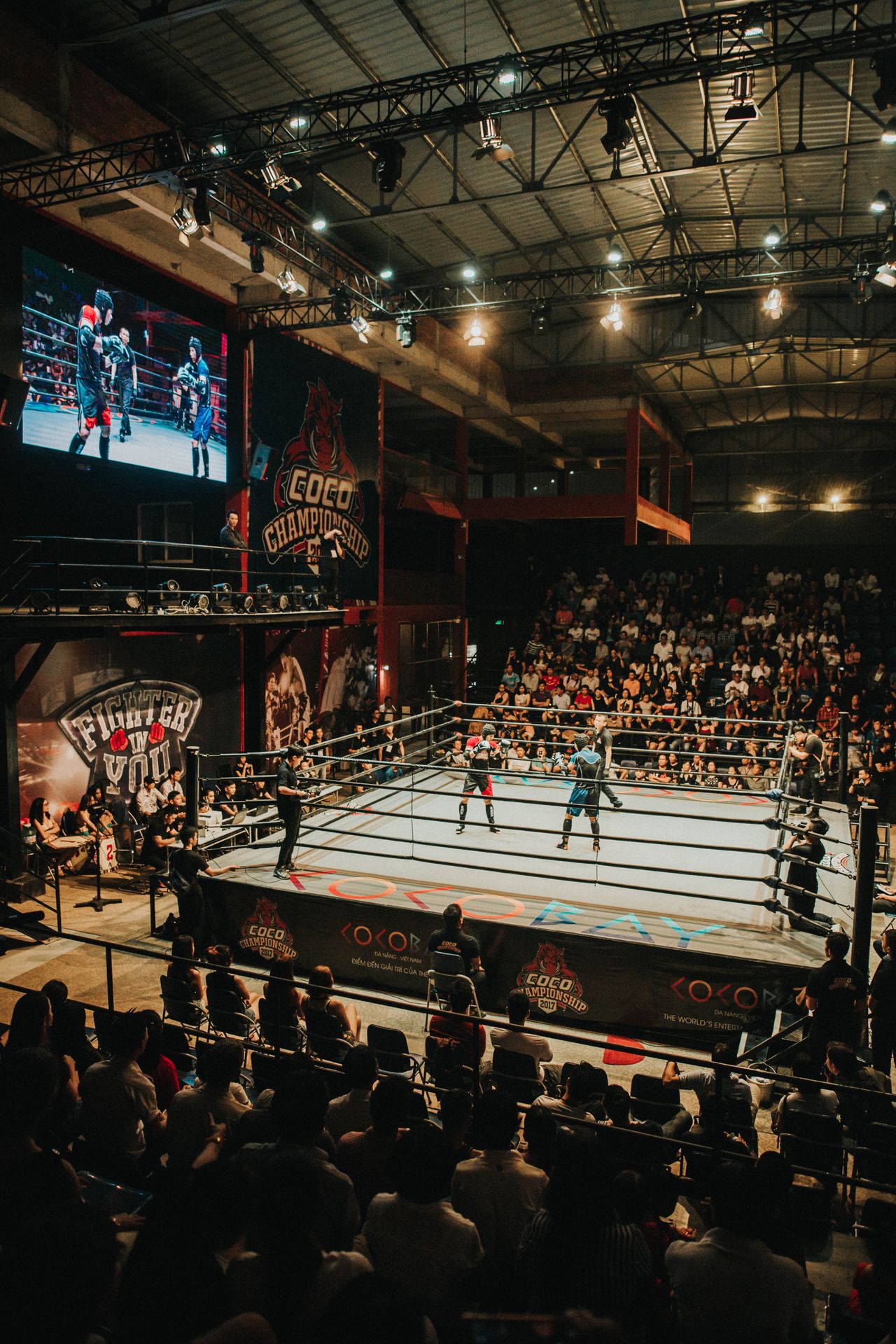
The United Kingdom’s professional boxing scene is strongly shaped by place. London remains the country’s most important boxing market because of its population, history, media presence, and venues. Wembley Stadium has hosted some of the largest nights in modern British boxing, while The O2 has become a regular home for major cards. York Hall, smaller and more intimate, carries a different kind of prestige. For many British boxing fans, York Hall represents the sport’s old soul: close seats, knowledgeable crowds, domestic title fights, and the feeling that boxing is best understood from near the canvas.
Manchester is one of Britain’s great fight cities. Its crowds have supported major fighters with unusual loyalty, and its boxing culture is tied to both professional success and working-class identity. Ricky Hatton’s rise made Manchester boxing feel like a movement, but the city’s significance extends beyond one fighter. It has hosted major cards, produced serious professionals, and maintained a reputation for fans who understand the sport emotionally as well as technically.
Cardiff has played a major role in British stadium boxing, especially through Joe Calzaghe’s era and major heavyweight events at the Principality Stadium. Welsh boxing carries a strong national pride, and its best nights often feel different from English fight nights because the crowd identity is more concentrated. Boxing in Wales is not just a branch of British boxing. It has its own memory, heroes, and emotional register.
Belfast is one of the most intense boxing cities in the UK. When Belfast has a major fighter, the atmosphere can become one of the strongest in the sport. Carl Frampton’s success gave modern Belfast boxing a global profile, but the region’s amateur and professional roots run deeper than one career. Boxing in Northern Ireland often carries community significance, and big nights there can feel personal in a way that larger commercial events sometimes do not.
Glasgow and Edinburgh also matter, particularly within Scotland’s boxing identity. Scottish fighters have often been admired for toughness, technical schooling, and loyal support. The country’s boxing scene has produced champions with genuine international standing, while also maintaining a domestic circuit that connects local shows to wider British competition.
British Promoters, Television, and the Modern Fight Business
British boxing’s modern strength is not only athletic. It is commercial. The UK has become one of the most important boxing markets in the world because its promoters, broadcasters, venues, and fans can support major events at scale. The rise of stadium boxing, subscription television, pay-per-view, streaming platforms, and highly produced fight weeks has turned British boxing into a global business.
Promotional companies such as Matchroom Boxing, Queensberry Promotions, and BOXXER have helped shape the contemporary scene. Their competition has influenced which fighters receive attention, how quickly prospects are moved, where title fights are staged, and how boxing is packaged for television and streaming audiences. British boxing fans now follow not only fighters, but promotional stables, broadcast deals, press conferences, purse bids, and sanctioning-body politics.
This has advantages and drawbacks. The upside is visibility. British fighters can become stars without immediately needing to relocate to the United States. A prospect with Olympic credentials, a strong regional following, or a compelling personality can be built through domestic cards before moving into world-level fights. The UK audience is large enough and engaged enough to support that development.
The drawback is that the business can sometimes overtake the sport. Big-fight negotiations, network rivalries, rematch clauses, and careful matchmaking can frustrate fans who want the best fighters matched quickly. British boxing has enough money and attention to create stars, but that same commercial machinery can delay the fights people most want to see.
Still, compared with many countries, the UK has a remarkably strong professional ecosystem. It can stage small-hall boxing, domestic title fights, European-level contests, world championship cards, and stadium events. That range is one of the reasons British boxing remains so durable.
Domestic Rivalries and the Value of the British Title
One of the strengths of UK boxing is that domestic competition still matters. The British title has retained more prestige than many national titles elsewhere because fans understand its history and because winning it often means surviving a serious domestic field. A British title fight can carry real meaning even without a world belt attached.
Domestic rivalries are central to the sport’s appeal. British fans often invest deeply in fights between two local or national-level contenders because the stakes are easy to understand. These fights are not always about global rankings. They are about regional pride, gym reputation, career survival, and proving who is real under pressure.
The British boxing ladder gives fighters several stages of identity. A boxer can be a local ticket-seller, then an area champion, then a British title contender, then a European-level fighter, then a world-level name. That progression gives the sport narrative depth. Fans can follow a fighter from leisure-center shows to televised cards, watching the technical and psychological changes that occur with each step up.
This is one reason the UK remains such a strong boxing country. The sport is not dependent only on world champions. It has enough domestic structure for meaningful careers to exist below the global elite. A fighter can become respected by winning the British title, headlining regional cards, or taking part in memorable domestic fights. That gives the sport a broader base than countries where boxing attention only arrives when a world champion appears.
The United Kingdom’s Place in World Boxing
The United Kingdom sits in an unusual position within world boxing. It is not the single center of the sport, but it is one of its most important markets. The United States still carries deep historical weight, especially in Las Vegas, New York, and Los Angeles. Mexico remains one of boxing’s great fighter-producing nations. Japan has become a major force, particularly in lighter weight classes. Eastern Europe and Central Asia have produced elite amateurs and increasingly successful professionals. Yet the UK combines history, audience size, promotional capacity, Olympic development, and cultural attachment in a way few countries can match.
British fighters are also unusually mobile within the global boxing economy. They fight at home, in the United States, in Saudi Arabia, across Europe, and in international tournaments. British promoters now operate in a global market, not only a domestic one. Major UK fighters are expected to think internationally, but they can still draw huge crowds at home.
The UK’s boxing relationship with Ireland, Europe, the Commonwealth, the Caribbean, Africa, South Asia, and the United States gives it a wide network of styles and rivalries. British boxing has absorbed influences from many communities while exporting its own fighters and promotional models. A British fight night can feel local, national, and international at the same time.
That layered identity is one of the country’s advantages. British boxing can sell a heavyweight stadium event, a Belfast homecoming, a Welsh title night, a Scottish world-title challenge, a London small-hall card, a women’s championship fight, or an Olympic prospect’s professional debut. Few boxing markets can operate across so many registers.
Women’s Boxing and the New British Fight Landscape
Women’s boxing has become one of the most important growth areas in the United Kingdom. For many years, women in boxing faced limited opportunities, low visibility, and structural resistance. That has changed dramatically. Olympic success, television exposure, better matchmaking, and the rise of marketable champions have made women’s boxing a serious part of the British fight scene.
Nicola Adams’ Olympic achievements helped shift public perception. She gave British women’s boxing a historic figure whose importance extended beyond medals. Her success made it harder to treat women’s boxing as a novelty. It showed that elite women’s boxing could be technical, competitive, and nationally significant.
The professional scene has since expanded. Natasha Jonas brought skill, experience, and championship success. Savannah Marshall became known for her punching power and elite amateur background. Chantelle Cameron established herself as one of the best fighters in the world around the light-welterweight divisions. Terri Harper, Caroline Dubois, Sandy Ryan, and others have helped create a deeper field.
The growth of women’s boxing also affects gyms. More girls and women can now enter boxing with visible role models. Clubs that once treated female participation as unusual increasingly see it as part of the normal structure of the sport. That matters for the future. A boxing culture becomes stronger when its talent pool widens, its coaching improves, and its audience understands more categories of competition.
Why UK Boxing Still Feels Distinct
The United Kingdom’s boxing scene remains distinct because it balances old and new better than most fight markets. It has modern broadcasters, major promoters, international stars, and stadium events. But it also has club coaches, domestic title traditions, small halls, local ticket-sellers, and gyms where boxing still feels like a craft passed from one generation to another.
The sport’s emotional tone is also specific. British boxing fans often value bravery and authenticity as much as technical perfection. A fighter who takes difficult fights, survives bad rounds, and gives the crowd something honest can become deeply respected even without a flawless record. That does not mean British fans ignore skill. They appreciate sharp boxing. But they often respond most strongly when technique is paired with visible resolve.
This helps explain why British boxing produces so many memorable characters. The sport rewards personality, regional identity, and the ability to carry a crowd. Some fighters become national figures because they win world titles. Others become beloved because they reveal something under pressure that feels real to the public watching them.
The Future of Boxing in the United Kingdom
The future of boxing in the United Kingdom will depend on whether the sport can maintain its grassroots base while continuing to compete as a global entertainment product. The top end of British boxing is strong. Major venues can still sell. Broadcasters and streaming platforms still value boxing content. Promoters still have the ability to build stars. Olympic boxing continues to supply talent.
The more important question is what happens underneath that level. Local clubs need coaches, facilities, funding, safeguarding, and pathways that keep young fighters engaged. Small-hall boxing needs support because it is where many professionals learn the realities of the business. Domestic titles need to remain meaningful. Women’s boxing needs continued investment beyond a few headline names. Fighters from all parts of the UK need routes into the sport that do not depend entirely on geography, money, or promotional access.
The United Kingdom has the history, audience, and infrastructure to remain one of world boxing’s central countries. Its strength comes from the fact that boxing exists at several levels at once: Olympic podiums, stadium nights, televised domestic rivalries, old venues, neighborhood clubs, and gyms where the next fighter is still anonymous. That depth is what makes UK boxing more than a collection of famous names.
British boxing has always been built on the relationship between place and fighter. A champion does not simply come from the United Kingdom. He or she comes from London, Manchester, Cardiff, Belfast, Glasgow, Sheffield, Liverpool, Leeds, Birmingham, Nottingham, Swansea, or a smaller town whose pride travels into the ring. That local intensity, multiplied across the country, is the real engine of boxing in the United Kingdom.