Indianapolis is not one of America’s loudest MMA markets, but it has a clear identity: a practical, Midwestern fight city shaped by wrestling, boxing, toughness, and regional competition. Its MMA story is less about glamour and more about durable fighters, local gyms, and the broader Indiana combat-sports ecosystem. The city has hosted UFC events, produced one of the sport’s most respected action fighters, and sits inside a state where amateur and professional combat-sports events continue to supply experience for developing athletes.
Chris Lytle is the central name in Indianapolis MMA history. Born in Indianapolis, Lytle became a UFC veteran, a boxer, a firefighter, and one of the most respected competitors of his era. His career profile captures the city’s fight identity better than almost anyone: wrestling roots, boxing toughness, submission ability, and a willingness to compete anywhere. Lytle fought in the UFC, WEC, Pancrase, Cage Rage, and other promotions, and he became known for consistently entertaining fights rather than cautious point-fighting.
That matters because Indianapolis MMA has never been defined by a single mega-gym or a flood of title contenders. It has been defined more by the kind of athlete who can come out of school wrestling, boxing clubs, karate rooms, and local fight shows, then learn enough of the rest to become dangerous. Indiana has produced a respectable list of MMA names, including Lytle, Darren Elkins, Matt Mitrione, Jon Fitch, Stephan Bonnar, Sean McCorkle, and others, though many are tied to different parts of the state rather than Indianapolis alone.
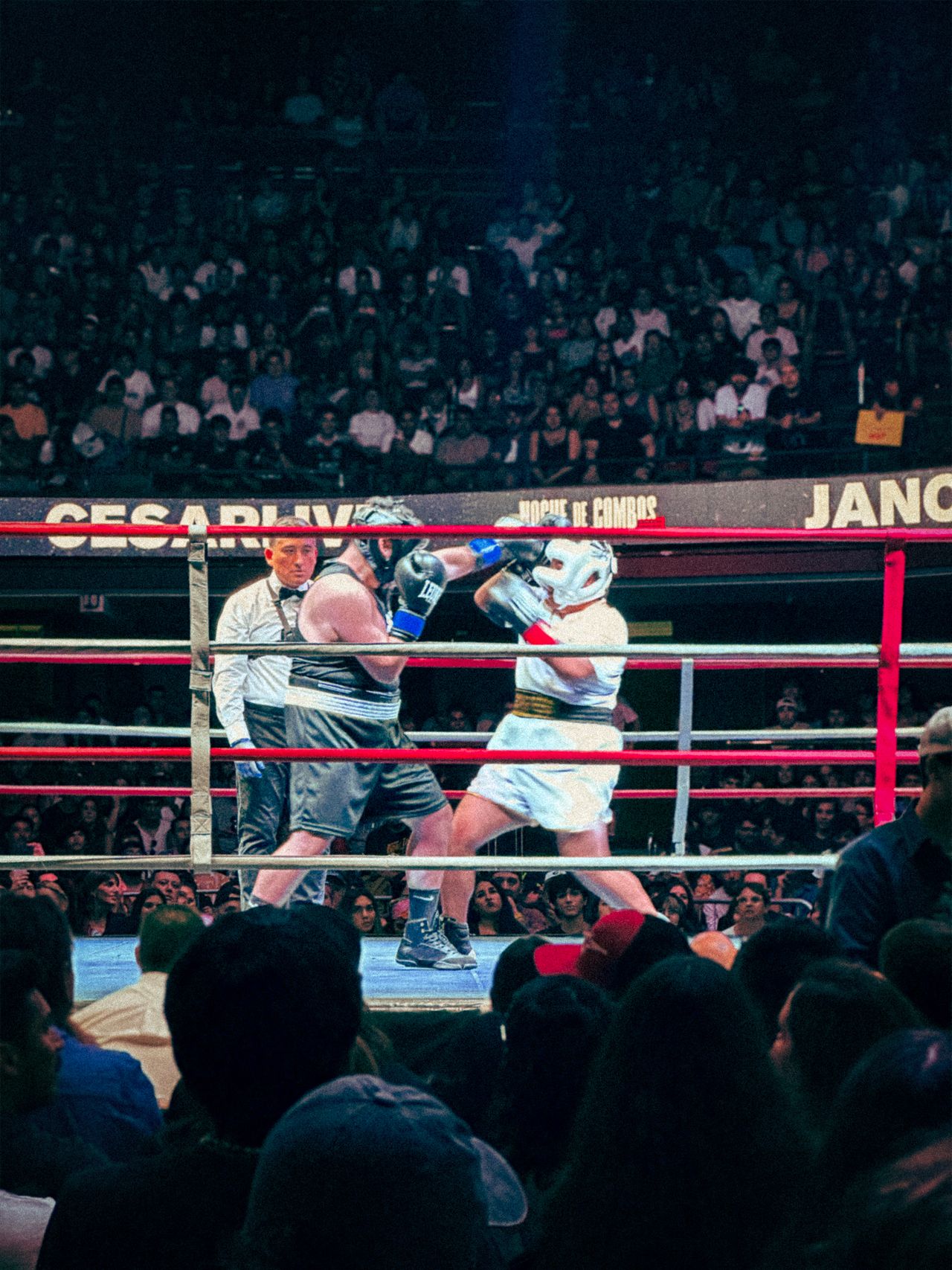
The UFC has made meaningful stops in Indianapolis, though not with the regularity of Las Vegas, New York, Houston, or Florida markets. UFC 119 took place at Conseco Fieldhouse in 2010 and was the first UFC event hosted in Indiana. Three years later, UFC Fight Night: Condit vs. Kampmann 2 came to Bankers Life Fieldhouse, bringing a high-level welterweight main event to the city. Those cards gave Indianapolis a place in UFC event history, even if the city has not become a recurring annual stop.
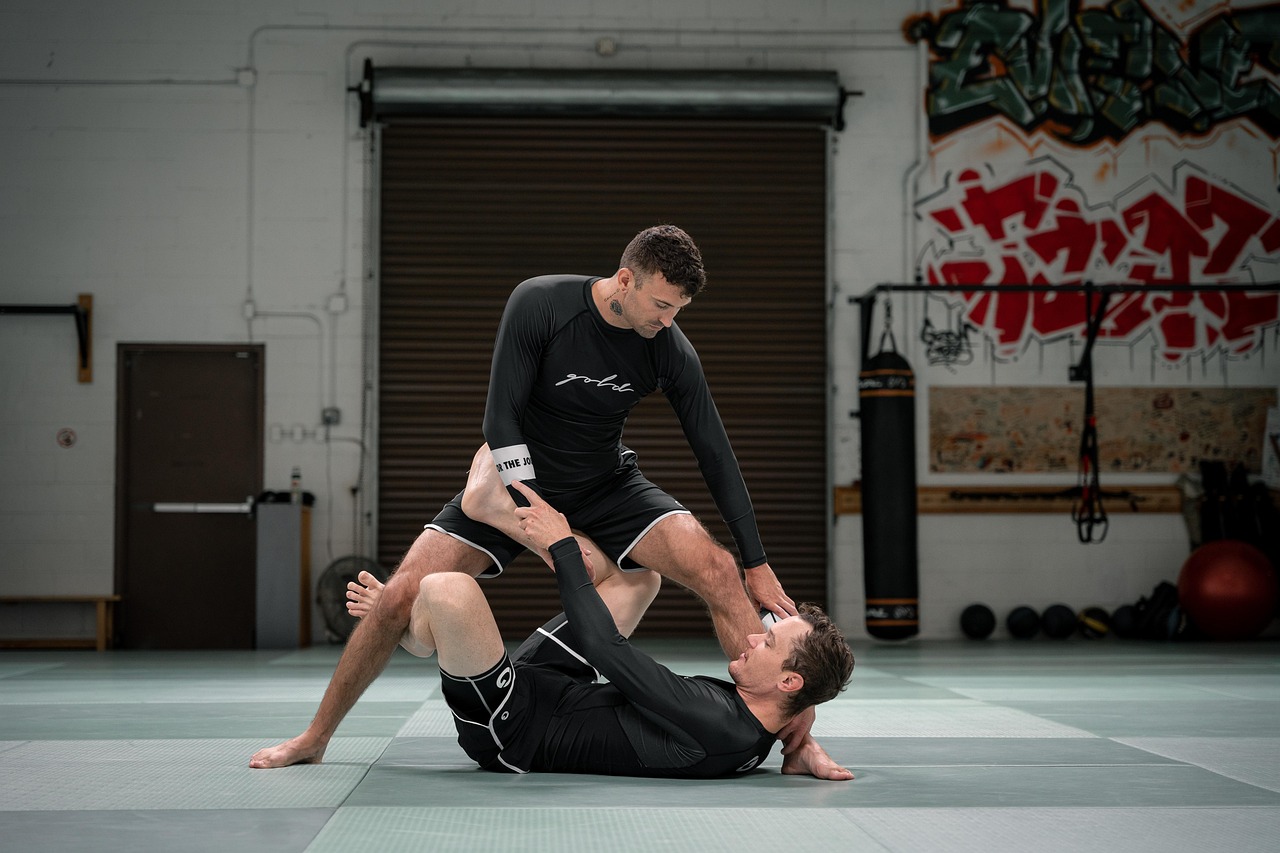
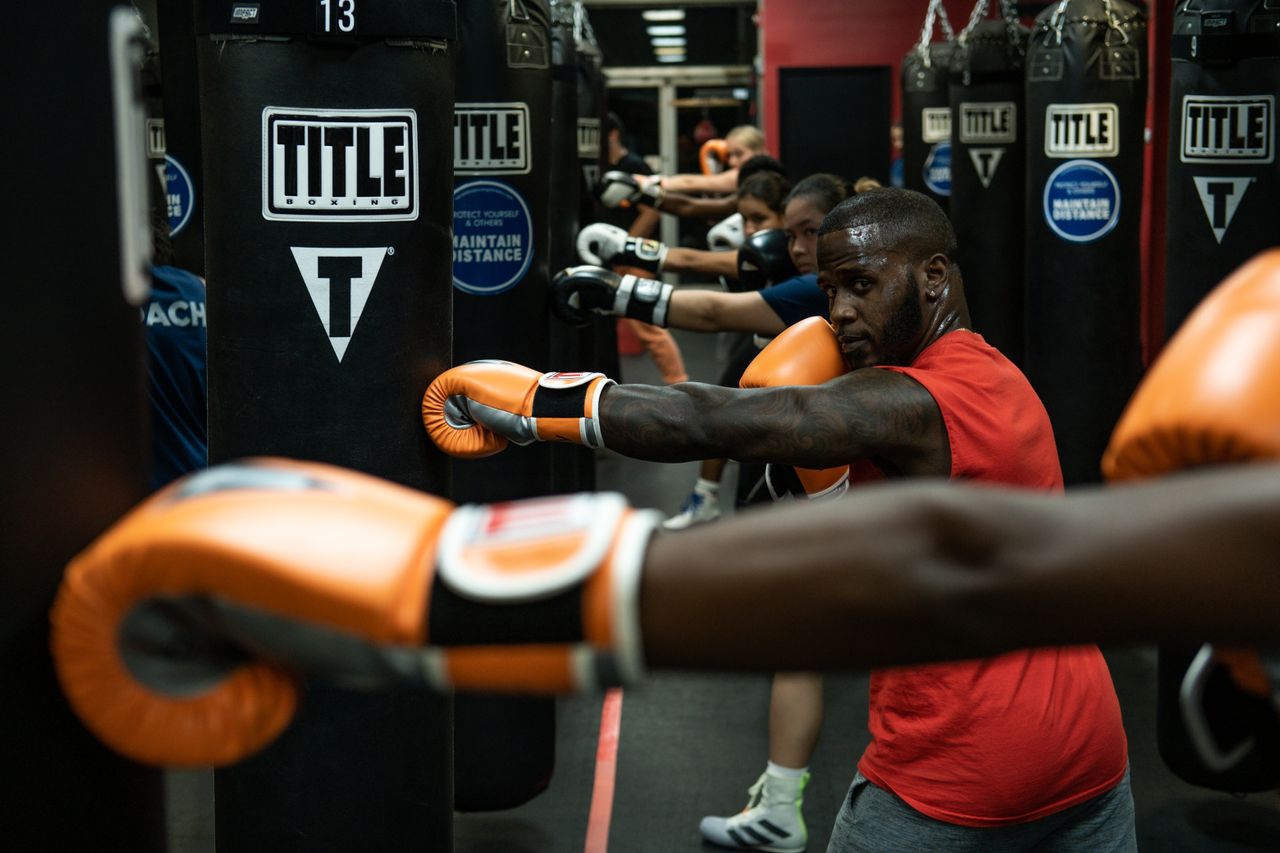
The current Indianapolis training scene is best viewed as part of a statewide and regional development model. Gyms such as American Top Team Indianapolis and Top Level Gym offer MMA, boxing, kickboxing, BJJ, and striking programs, while Indiana’s athletic calendar shows a steady presence of amateur MMA, pro-am cards, boxing, bare-knuckle, and martial arts events around the state. That kind of ecosystem is important for fighters who need rounds, not just classes.
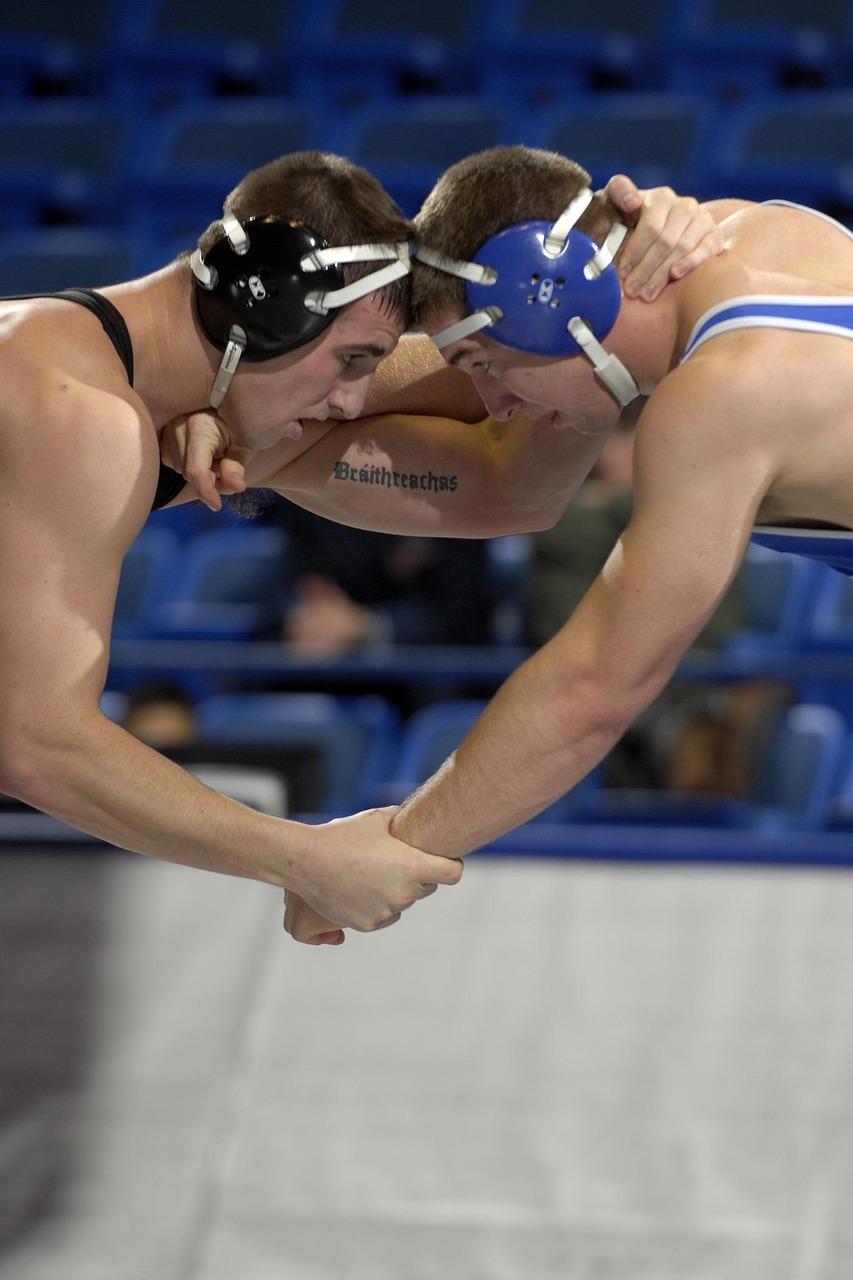
Indianapolis also benefits from the wider Midwest combat-sports culture. Wrestling remains a natural feeder system, and the region’s fighters often develop through tough local competition before moving toward larger promotions. The city is not trying to compete with South Florida, Southern California, or Las Vegas as a national training destination. Its strength is different: Indianapolis can produce hard, well-conditioned, disciplined fighters who come from practical combat-sports backgrounds and learn MMA through repetition rather than spectacle.
The future of MMA in Indianapolis depends on continuity. If local gyms keep building complete fighters, and if Indiana continues to support amateur and pro-am events, the city can remain a credible Midwestern MMA market. It may not produce UFC stars every year, but it has enough history, enough athletes, and enough regional activity to matter.