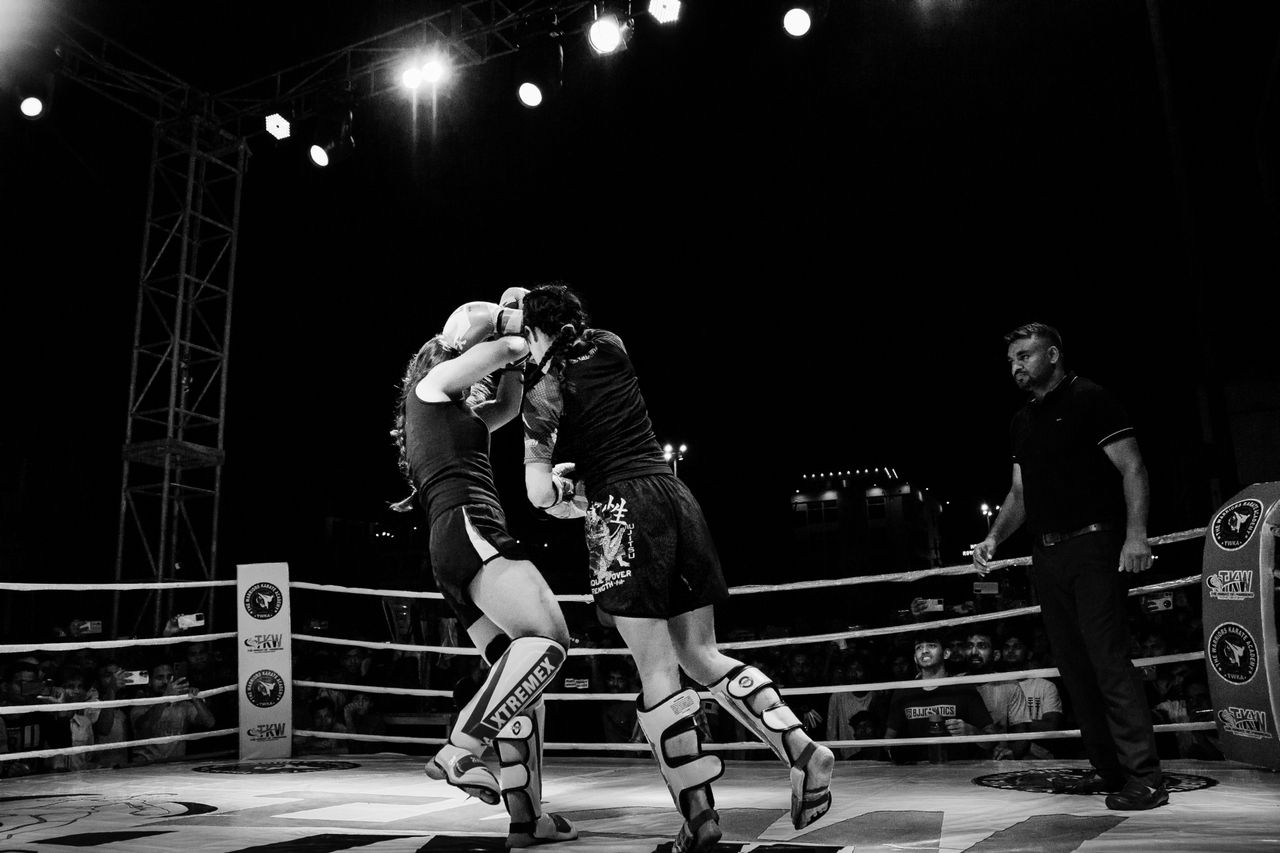
Congo-Brazzaville’s boxing identity is best understood as a compact African fight scene with one foot in local amateur development and another in the wider Francophone professional circuit. It is not a country with the global boxing profile of Nigeria, South Africa, Ghana, or the Democratic Republic of the Congo, but it has enough competitive history to matter in regional African boxing. The sport’s strongest pathway runs through Brazzaville clubs, national-team competition, African championships, and boxers who often need international platforms to reach a larger professional audience.
The country’s Olympic sports profile has been modest overall. Congo’s National Olympic Committee was formed and recognized in 1964, and the country has competed regularly at the Summer Games, though without the kind of medal breakthrough that turns a sport into a national institution. That matters for boxing because amateur boxing in smaller African countries often depends heavily on Olympic recognition, national federation support, and access to continental qualifiers. Without a deep commercial professional scene, the amateur system becomes the place where boxers gain legitimacy, travel, and international experience.
The clearest modern name connected to Congo-Brazzaville boxing is Anauel Ngamissengue, a Brazzaville-born middleweight and super middleweight who competed at the 2016 Olympics before building a professional career in Europe. His path says a great deal about Congolese boxing. The talent can be local, but the finishing school is often abroad. Ngamissengue’s career has included international professional fights and a 2025 world-title opportunity against Janibek Alimkhanuly, a level of exposure that few Congo-Brazzaville fighters have reached.
That kind of career gives Congo’s boxing scene something practical to point toward. Young fighters in Brazzaville are not looking at a domestic industry full of televised title fights. They are looking at a route that begins in the gym, moves through national competition, reaches African tournaments, and then requires the right international connections. France is especially important because of language, migration, and sporting infrastructure. A Congolese boxer with the right amateur résumé can become part of a broader Francophone boxing world that includes France, Belgium, North Africa, and other African fighters based in Europe.
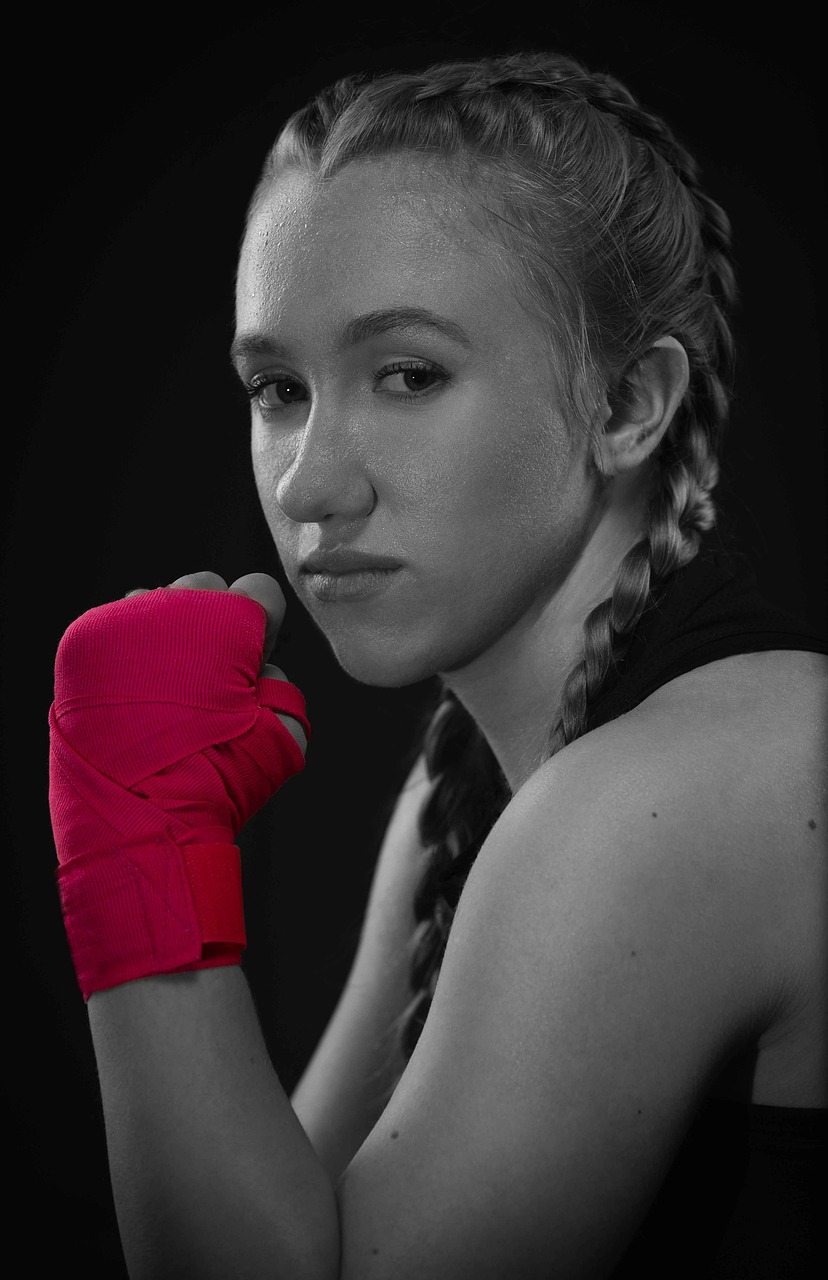
The training culture in Congo is shaped by scarcity as much as ambition. Boxing in countries with limited infrastructure often survives through small clubs, multi-use sports halls, volunteer coaches, and fighters who share equipment and sparring rounds across age groups. That does not always create polish, but it can create durability. The challenge is turning local toughness into consistent technical development. Conditioning, footwork, medical support, amateur tournament frequency, and quality matchmaking are the difference between a promising local boxer and an international competitor.
Congo’s regional position also matters. Its fighters are part of a Central African and wider African boxing map where opportunities can come through continental championships, military and police sport, Olympic qualifiers, and neighboring fight networks. The Democratic Republic of the Congo, Cameroon, Angola, Gabon, and other nearby countries create a competitive environment where Congolese boxers can test themselves without immediately needing to jump to Europe. For smaller boxing nations, those regional contests are not minor. They are the proving ground.
The future of boxing in Congo depends on whether the country can build more than isolated success stories. Ngamissengue shows that a Congolese boxer can reach serious international levels, but one fighter does not create a system by himself. The next step is deeper youth development, more consistent amateur competition, better coaching education, and stronger routes from Brazzaville clubs into African and European competition. Congo’s boxing identity is still developing, but it has a clear shape: local fighters trying to use amateur boxing, regional tournaments, and diaspora connections to reach a world stage that is difficult but not closed.