Monte Carlo boxing is not built like a traditional boxing scene. It is not a city of crowded neighborhood gyms, long amateur rivalries, or a deep list of homegrown professional champions. Its boxing identity is closer to the prizefight stage: elegant, compact, international, and designed around major nights rather than weekly grind. Boxing in Monte Carlo belongs to the same sporting world as Formula 1, tennis, yachting, and casino-backed spectacle. The ring arrives as an event, and the setting becomes part of the appeal.
That makes Monte Carlo unusual in global boxing. Many fight cities earn their reputation through volume. Las Vegas, New York, London, Mexico City, Tokyo, and Manchester became boxing centers because they hosted fight after fight across generations. Monte Carlo’s role is more selective. It offers exclusivity. A card in Monaco does not need to be the biggest fight on the calendar to feel significant. The Salle des Étoiles, the Casino de Monte-Carlo, and the Principality’s luxury-sport atmosphere give boxing there a different texture: less smoke-filled club show, more international gala with world-title implications.
The modern Monte Carlo boxing profile has been shaped by promoters who use Monaco as a neutral, glamorous location for global fighters. Matchroom Boxing has made the Principality a recurring stop, with Monte-Carlo Boxing Showdown events staged at the Salle des Étoiles and streamed internationally. These cards have included world-title fights, unbeaten contenders, Olympic medalists, and fighters from Britain, Ireland, continental Europe, Africa, Asia, and Latin America. The result is a boxing market that feels less local than international, but still distinct. Monte Carlo is not producing the fighters. It is framing them.
That distinction matters. Famous boxers associated with Monte Carlo are usually connected through specific fight nights rather than birthplace. Gennady Golovkin’s middleweight reign included prominent appearances in Monaco, including his 2015 stoppage of Martin Murray at the Salle des Étoiles. Joe Cordina, Murodjon Akhmadaliev, Beatriz Ferreira, Cheavon Clarke, and other world-level or world-title-adjacent fighters have also helped define the modern Monte Carlo boxing card. The names vary by year, but the pattern is consistent: Monte Carlo hosts fighters who already carry international credibility.
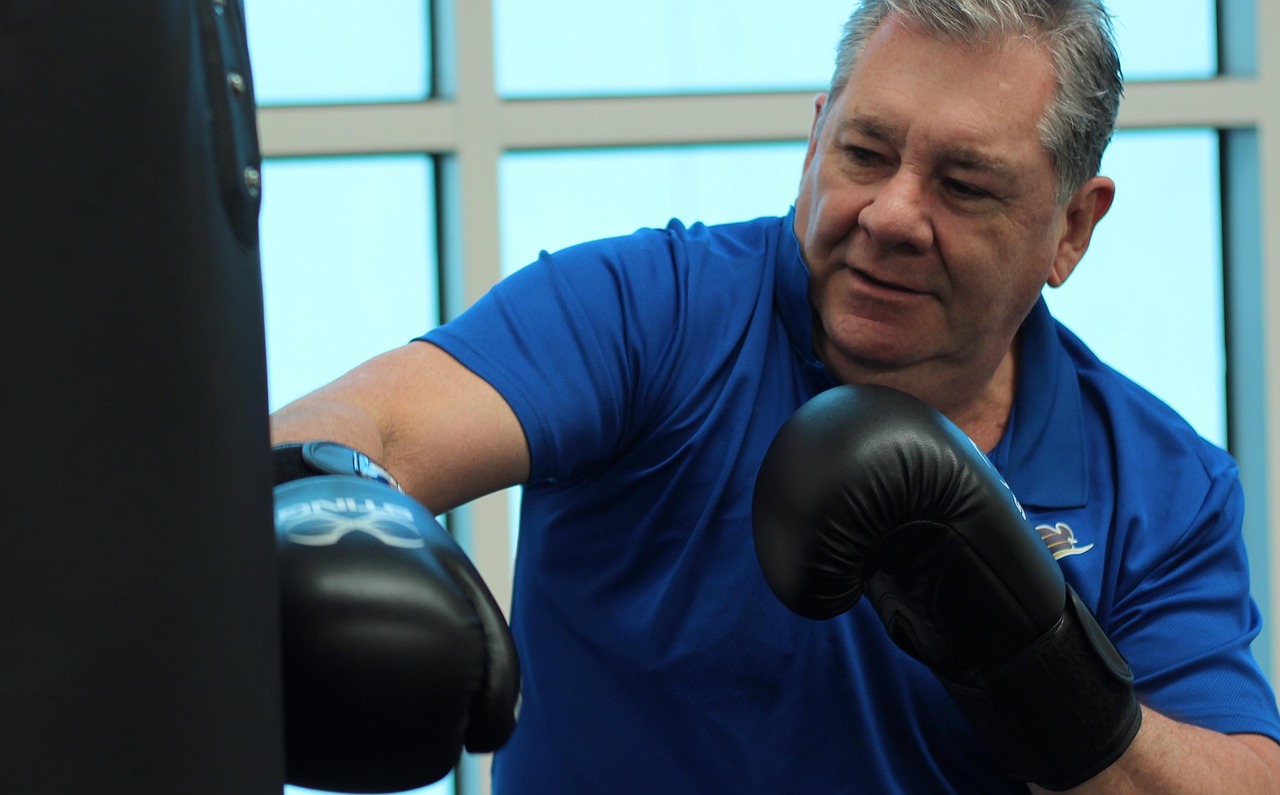
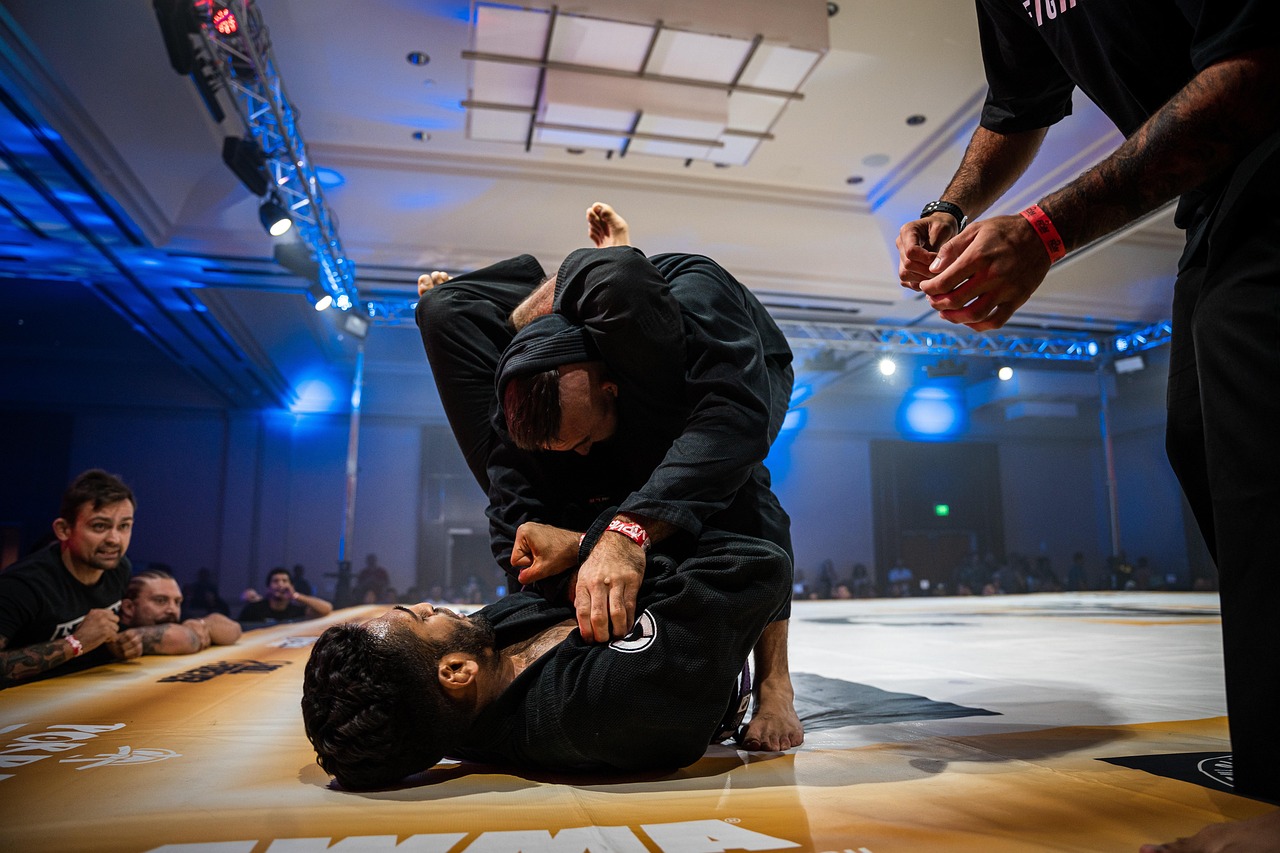
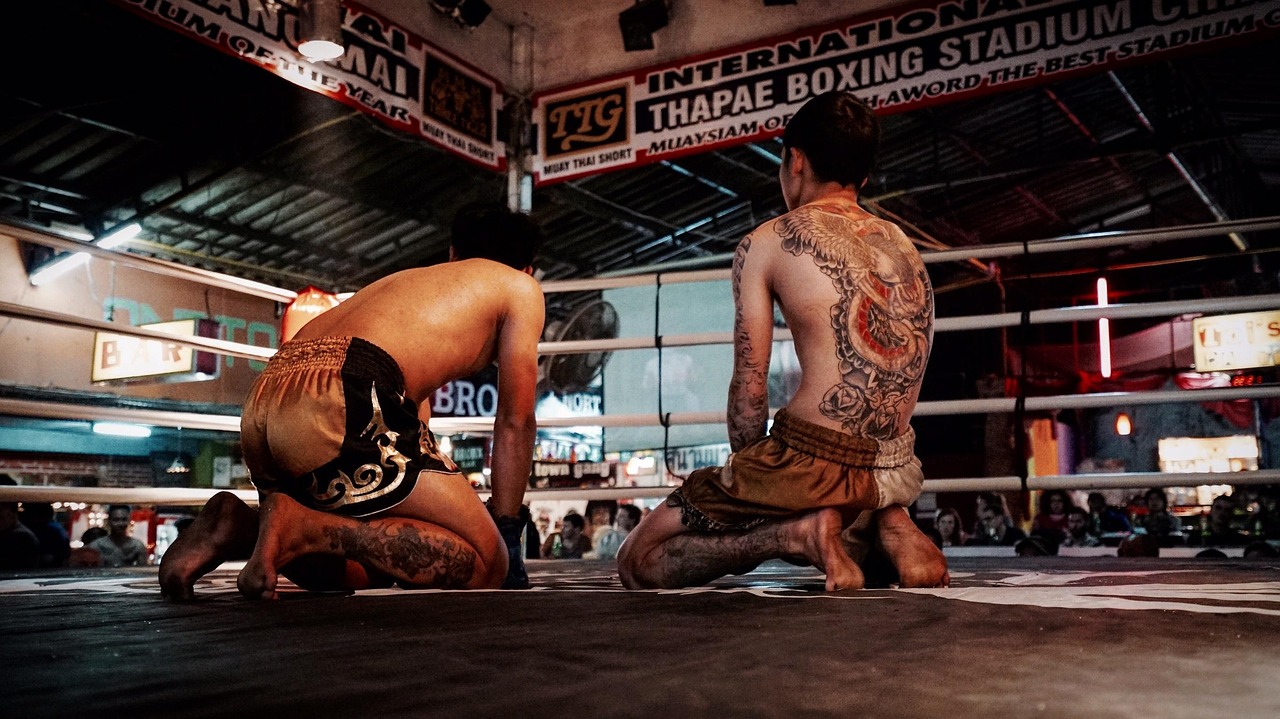
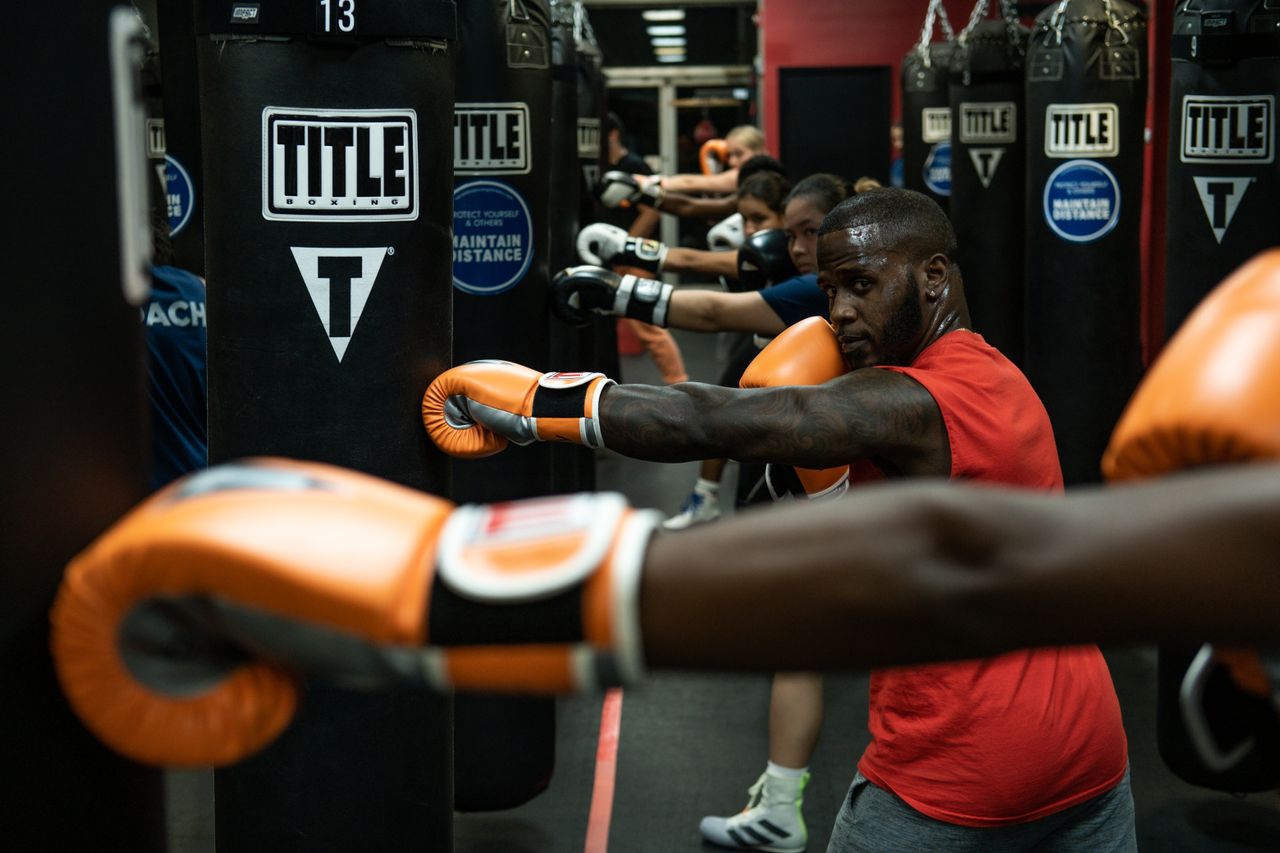
The local training culture is necessarily smaller. Monaco’s size means it cannot be compared to Paris, London, Milan, Madrid, or Marseille as a gym ecosystem. Boxing participation exists within a broader combat-sports and fitness environment, with clubs, private training, martial arts academies, and regional access to the south of France. For serious competitive development, fighters in and around Monaco are more likely to connect outward into French, Italian, or wider European systems than rely on the Principality alone. Monte Carlo’s boxing infrastructure is therefore split between local practice and international event presentation.
Amateur boxing in Monaco does not drive the city’s global boxing reputation. The professional-event model does. The Principality’s value is its ability to offer promoters a polished setting, wealthy audience, media-friendly visuals, and a sense of occasion. That is why Monte Carlo can stage cards that feel larger than their attendance figures. In a sport where atmosphere and presentation matter, Monaco gives boxing a setting that instantly signals prestige.
The future of boxing in Monte Carlo will likely remain event-led. It is unlikely to become a dense fighter-producing hotbed, and it does not need to. Its role is different: a boutique global boxing stage where championship fights, elite prospects, and international contenders can be presented with luxury and precision. Monte Carlo matters because it reminds boxing that location can still change the meaning of a fight night. A bout there is not just another date on a schedule. It is a prizefight placed inside one of European sport’s most polished rooms.