Las Vegas boxing is not defined by where fighters are born. It is defined by where the biggest fights become global events. The city’s boxing identity is built around title nights, casino arenas, closed-circuit history, pay-per-view, celebrity crowds, regulatory scrutiny, and the sense that a major fight in Las Vegas is more than a sporting contest. It is a week-long production with weigh-ins, media days, undercards, international fans, and a main event that can reshape a fighter’s legacy.
The city became central to boxing because it understood prizefighting as both competition and spectacle. Caesars Palace, the MGM Grand Garden Arena, Mandalay Bay, T-Mobile Arena, and other venues helped turn Las Vegas into the most recognizable modern fight destination in the United States. Heavyweight classics, welterweight superfights, Mexican Independence Day weekend cards, Cinco de Mayo weekend events, and championship rematches have all helped build the city’s boxing reputation. For many fighters, headlining in Las Vegas still carries a different meaning than fighting almost anywhere else. It signals arrival.
Las Vegas is also tied closely to boxing’s business structure. Promoters, sanctioning bodies, television networks, streaming platforms, casinos, athletic commissions, managers, trainers, and sponsors all converge there when the right fight is made. The Nevada State Athletic Commission has long been one of the most visible regulatory bodies in the sport, and Las Vegas fight weeks often become industry gatherings as much as athletic contests. Deals are discussed, future opponents are teased, and fighters from around the world use the city as a measuring stick for market value.
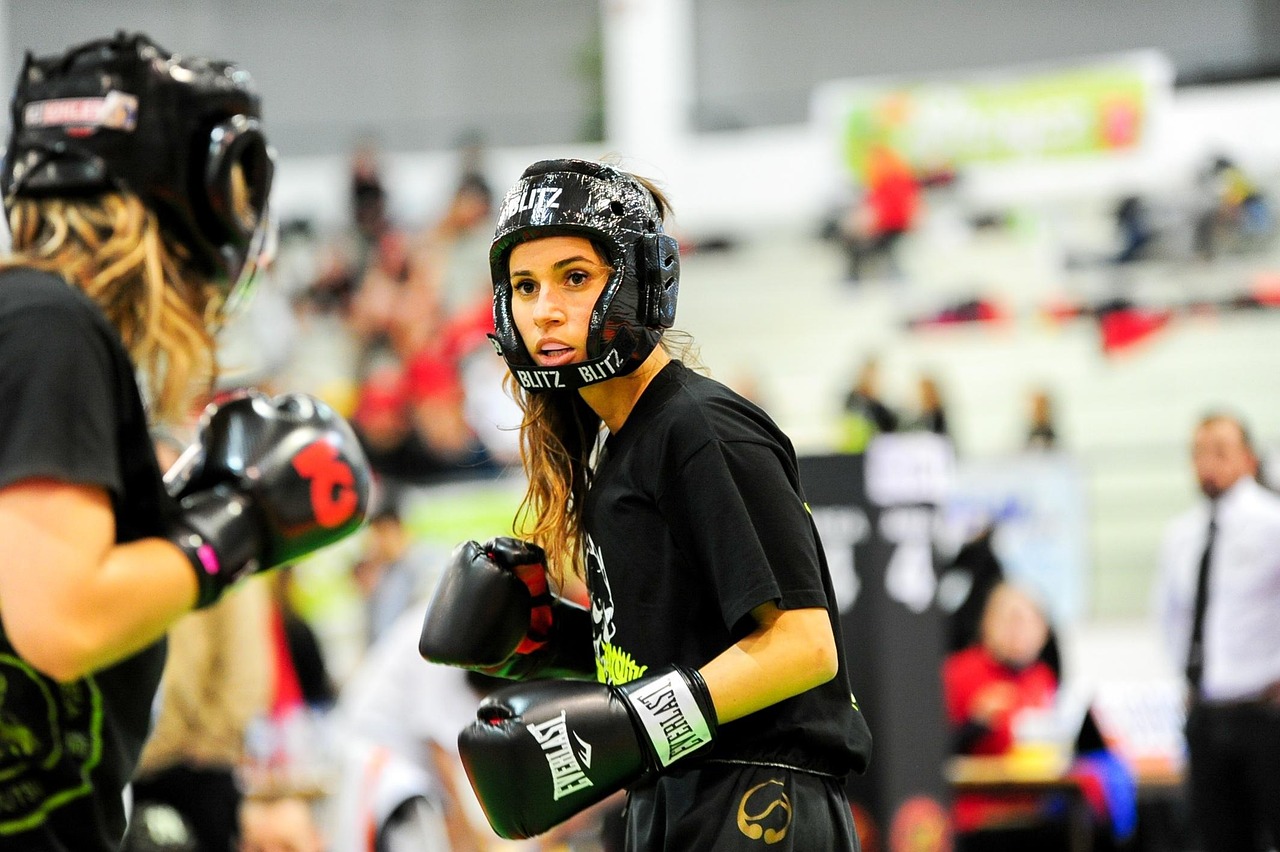
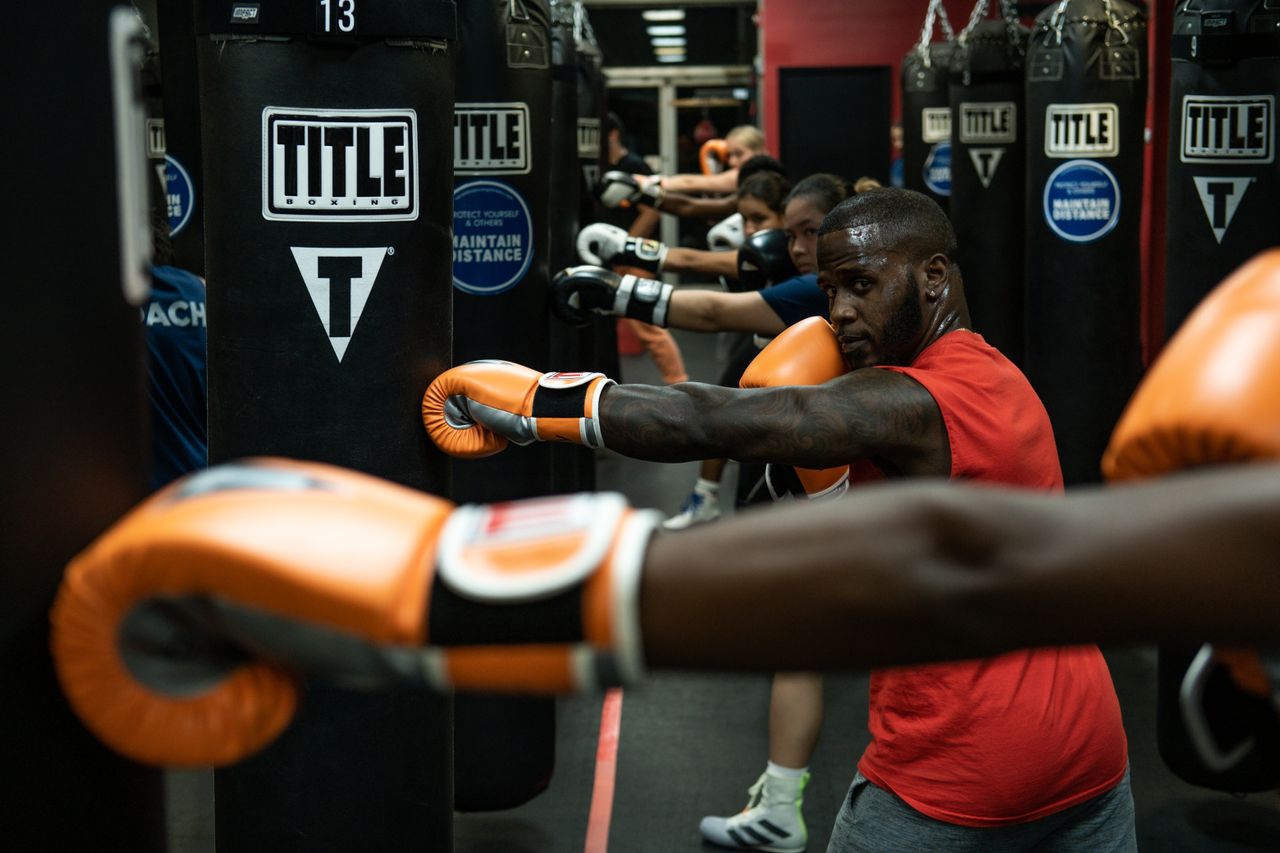
Beneath that championship layer, Las Vegas has a serious local boxing culture. The city is home to gyms that serve professionals, amateurs, visiting contenders, and recreational boxers. Fighters often base parts of training camp in Las Vegas because the climate, facilities, sparring networks, and fight-industry access are useful. Some gyms function as proving grounds where rising fighters can test themselves against experienced professionals who are also preparing for major cards. Others are community gyms where local amateurs learn footwork, defense, conditioning, and ring discipline before entering regional competition.
The city’s fighter identity is complicated because Las Vegas imports as much boxing talent as it produces. Mexican champions, Filipino stars, British titleholders, American Olympians, Puerto Rican contenders, Cuban technicians, Kazakh middleweights, and fighters from across Africa, Europe, and Latin America have all made Las Vegas part of their careers. That gives the city a cosmopolitan boxing identity. It belongs to the local scene, but it also belongs to the wider prizefighting world.
Las Vegas boxing is strongest when the sport needs a stage large enough for risk. The city gives boxing its most dramatic commercial setting: bright lights, public pressure, high purses, national anthems, hostile fan sections, and an arena full of people who know the result may be remembered for decades. Not every important fight happens in Las Vegas anymore, but the city still carries an aura no other American fight market has fully replaced. When boxing wants to feel like boxing at its biggest, Las Vegas remains the sport’s central theater.