Boxing in Liberia has the feel of a sport with deep potential but uneven infrastructure. It exists in a country where athletic talent is obvious, where combat sports can appeal to young people looking for discipline and opportunity, but where the pathway from local gym to international boxing stage is difficult. Liberia is not yet known as one of Africa’s major boxing powers, but its boxing scene reflects a familiar pattern across developing fight markets: committed athletes, determined coaches, limited resources, and a constant need for better competition.
The country’s boxing identity is not built around a crowded list of world champions. It is better understood through the lens of rebuilding, youth opportunity, and regional ambition. Boxing in Liberia has to compete for attention with football, track and field, and broader economic pressures, but the sport retains a natural appeal. It is direct, inexpensive compared with many team sports, and capable of giving athletes a sense of purpose quickly.
Boxing in a Rebuilding Sports Environment
Liberia’s modern sports culture has been shaped by periods of disruption, recovery, and uneven institutional development. That matters for boxing because the sport depends heavily on continuity. Fighters need regular training. Coaches need facilities. Clubs need equipment. Amateur programs need tournaments. Professional fighters need promoters, medical standards, commissions, and opponents. When any of those pieces weaken, the entire boxing ladder becomes harder to climb.
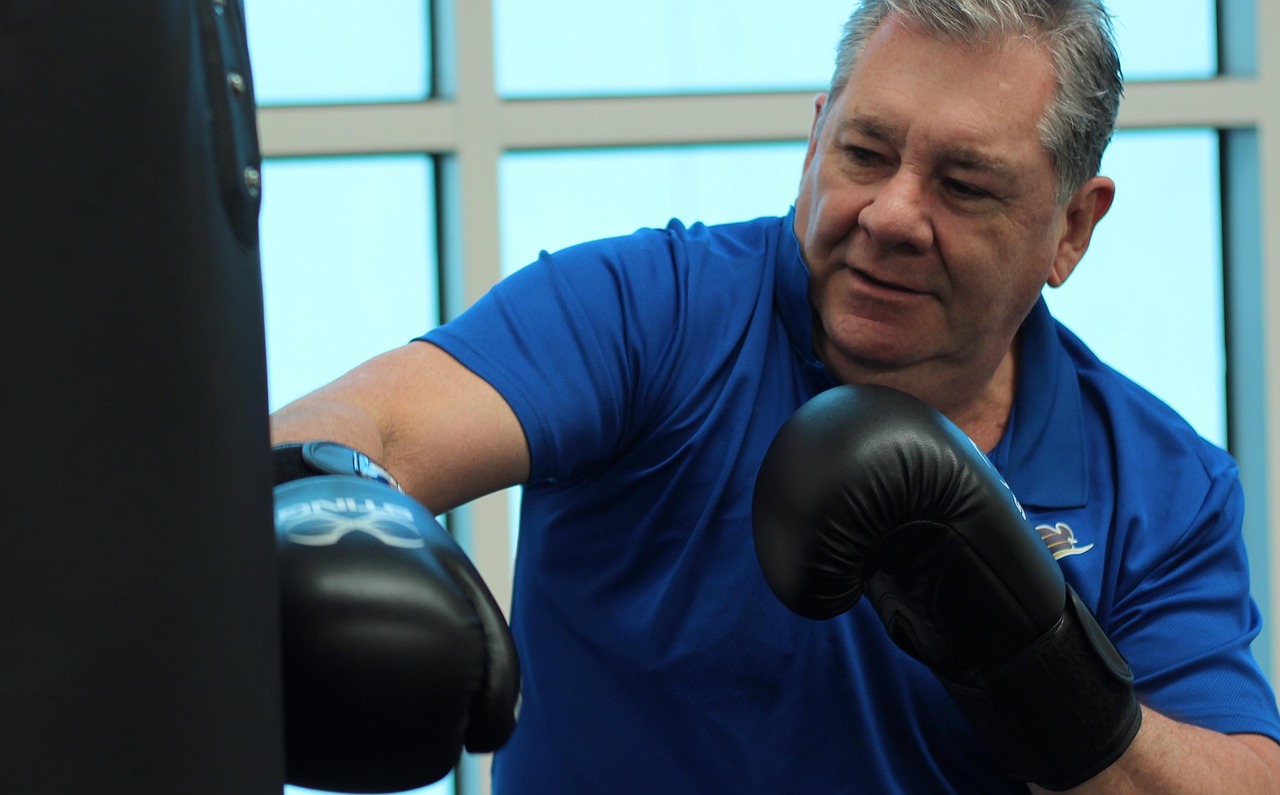
In Liberia, boxing gyms and clubs often carry more responsibility than they would in a larger fight economy. They are not simply places to hit bags. They are entry points into organized sport. They teach conditioning, self-control, ring safety, and competitive habits. For young fighters, the local boxing gym can become a substitute for a more formal sports academy.
The challenge is that boxing development requires repetition. Fighters improve through rounds, tournaments, sparring variety, coaching correction, and exposure to different styles. A boxer who only trains locally but rarely competes against high-level opposition can become tough without becoming polished. That is one of the central issues for smaller boxing nations, and Liberia fits that pattern.
Fighters, Recognition, and the Need for a Wider Platform
Search interest in famous boxers from Liberia points to a real gap: the country has not yet produced the kind of globally famous professional boxing figure who permanently changes its place in the sport. Unlike Ghana, Nigeria, South Africa, or Namibia, Liberia does not have a widely recognized modern boxing lineage built around world champions and major international title fights.
That does not mean there are no Liberian boxers. It means the country’s fighters often struggle to reach the platforms where boxing reputations are made. In modern boxing, talent alone is rarely enough. Fighters need management, matchmaking, visas, promotional backing, regional rankings, and access to stronger boxing markets. For Liberian fighters, opportunities may come through West African competition, diaspora connections, or training abroad.
The Liberian diaspora could become increasingly important to the country’s boxing identity. Fighters with Liberian roots who grow up or train in the United States, Europe, or elsewhere may have access to stronger gyms and promotional networks. If they choose to represent Liberia or publicly identify with Liberian heritage, they can help widen the country’s boxing footprint. For smaller boxing nations, diaspora athletes can serve as bridges between local pride and international opportunity.
Amateur Boxing, Regional Competition, and Local Growth
Liberia’s most realistic boxing development path begins with amateur structure. A strong amateur base gives fighters experience before they turn professional. It also creates a clearer national team pathway and allows the sport to develop outside the pressure of immediate prizefighting. Regional tournaments in West Africa can be especially valuable because they offer competition without requiring the same resources needed for long-distance international travel.
The current boxing scene in Liberia depends on coaches who can keep young fighters engaged, clubs that can maintain training standards, and administrators who can connect the country to continental boxing. Women’s boxing is another potential growth area. In countries where the men’s professional scene is still limited, women’s boxing can sometimes grow through amateur programs, fitness boxing, and international development initiatives before a large professional market exists.
Boxing fitness may also play a role in expanding the sport. Not every person who enters a boxing gym will become a competitor, but recreational boxing can help keep gyms financially alive. Fitness members, youth programs, and community training can support the competitive side if the gym culture is managed well.
Liberia’s Boxing Future
Liberia boxing is still looking for its defining era. The country has the athletic base and regional location to build a more visible boxing scene, but the sport needs more competition, more coaching depth, better facilities, and clearer routes for talented fighters. The next major Liberian boxing figure may not emerge from a polished national system. He or she may come from a small gym, a regional tournament, or the diaspora.
That is what makes Liberia an interesting boxing country. It is not a finished boxing story. It is a developing one. The sport’s future depends on whether local passion can be turned into durable infrastructure and whether Liberian fighters can find the platforms they need to move from national promise to international recognition.