El Salvador’s boxing identity sits between national pride, diaspora achievement, and a developing domestic fight scene. The country is not one of Latin America’s largest boxing powers, but it has a meaningful place in the sport through Salvadoran heritage, regional competition, and the symbolic importance of Carlos “El Famoso” Hernández, the fighter most closely associated with Salvadoran boxing on the world stage.
Hernández was born in Los Angeles, but his Salvadoran identity became central to his career. When he won the IBF super featherweight title in 2003, he became a landmark figure for Salvadoran boxing fans and for the Salvadoran diaspora in the United States. His career mattered because it gave Salvadorans a world champion to claim in a sport dominated regionally by Mexico, Puerto Rico, Nicaragua, Panama, and other countries with deeper professional traditions. Hernández fought major names, including Floyd Mayweather Jr., Genaro Hernández, Steve Forbes, Jesús Chávez, and Bobby Pacquiao, and he built his reputation on toughness, pressure, and resilience.
That diaspora dimension is essential to understanding boxing in El Salvador. Many Salvadoran athletes and fans are connected across borders, especially between El Salvador and the United States. For fighters of Salvadoran descent, gyms in Los Angeles, Houston, the Washington area, and other U.S. communities can become part of the Salvadoran boxing map. The result is a split identity: domestic boxing inside El Salvador on one side, and Salvadoran boxing pride expressed through overseas fighters on the other.
Inside El Salvador, boxing has had to fight for space in a crowded sports culture. Football dominates the national imagination, and boxing does not command the same constant media attention it receives in larger fight countries. Still, the sport has a natural fit with the country’s athletic temperament. Boxing offers individual competition, discipline, conditioning, and a direct path for athletes who may not have access to expensive facilities. A modest gym, a committed coach, and regular sparring can create the beginning of a fighter.
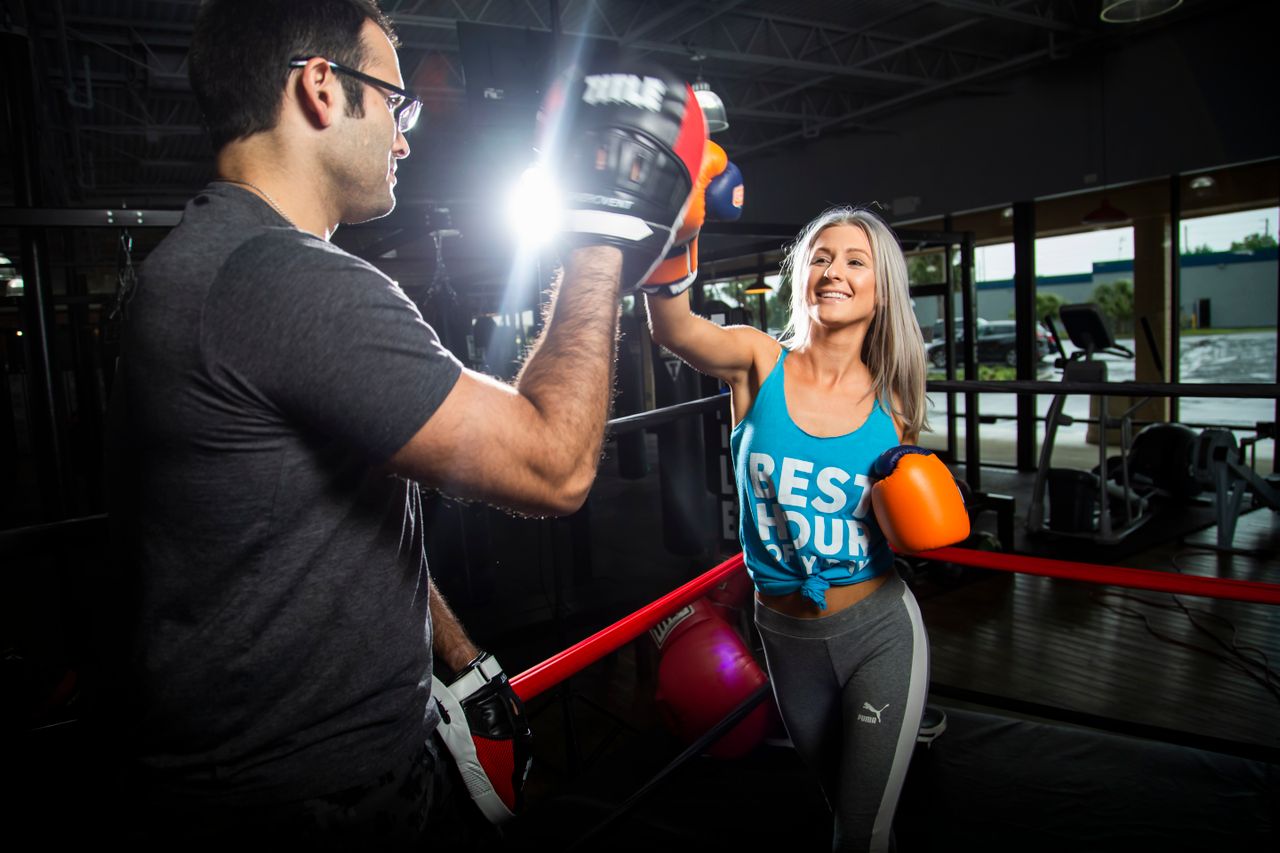
The domestic boxing scene is driven by clubs, coaches, amateur events, and small professional shows. These environments are where Salvadoran fighters learn the fundamentals: footwork, balance, defense, punch selection, ring control, and the conditioning required to survive hard rounds. In countries without a large professional market, the gym is the sport’s engine. It is where young fighters are discovered, where discipline is tested, and where boxing becomes more than fitness.
El Salvador’s regional context is both an opportunity and a challenge. Central America has produced respected fighters, and neighboring boxing cultures give Salvadoran boxers access to meaningful competition. Nicaragua, Panama, Costa Rica, Guatemala, and Honduras all form part of the wider regional boxing conversation. For Salvadoran fighters, this means the path forward often runs through Central American tournaments, regional title fights, and occasional opportunities abroad. The country does not need to become Mexico or Puerto Rico to matter in boxing. It needs a more consistent route for its best fighters to move from local promise to regional credibility.
The story of Francisco “Pantera” Ruiz also remains part of the country’s boxing memory. His death after a bout in 2017 was a sobering moment for Salvadoran boxing and underscored the importance of medical standards, matchmaking, regulation, and fighter safety. In smaller boxing markets, growth cannot only mean more events. It also has to mean stronger oversight, better preparation, and a culture that protects fighters while still allowing the sport to develop.
Women’s boxing and youth boxing represent important areas of future growth. As the sport becomes more global and more accessible, countries like El Salvador can build participation without needing a massive professional infrastructure. Amateur boxing, school-age programs, community gyms, and regional tournaments can give the sport a broader base. A new generation of Salvadoran boxers will likely emerge from a mix of domestic gyms and diaspora communities, with identity traveling across borders just as it did with Hernández.
El Salvador’s boxing scene is not defined by volume. It is defined by pride, potential, and the search for continuity. Carlos Hernández gave Salvadoran boxing a world-level reference point. The next stage is building enough structure so that future fighters do not feel like isolated exceptions. If the country can connect local gyms, amateur development, regional competition, and diaspora energy, Salvadoran boxing can become more than a memory of one champion. It can become a durable part of Central American boxing.