Vienna’s MMA scene is best understood as a Central European crossover market. It is not one of Europe’s largest MMA capitals, and it does not have the same promotional footprint as Warsaw, London, Paris, or Prague. Its importance comes from a different source: Vienna sits inside a combat-sports region where kickboxing, Muay Thai, boxing, grappling, wrestling, and immigrant martial arts cultures feed into a smaller but serious MMA environment. The result is a city where MMA is developing through technical gyms, regional competition, and a handful of high-profile Austrian fighters who have carried the national flag onto the UFC stage.
The most important name connected to Vienna MMA is Aleksandar Rakić. Born in Vienna and fighting out of the city, Rakić became Austria’s clearest modern UFC contender. His background reflects the way MMA often develops in Austria: through striking first, then through the gradual addition of wrestling, cage control, and Brazilian jiu-jitsu. Rakić’s length, kicking game, physicality, and light heavyweight success gave Vienna a fighter who could be discussed in the context of the world’s best, not only as a local or regional athlete. For a city without a huge MMA history, that matters. One serious UFC contender can change how a market is perceived.
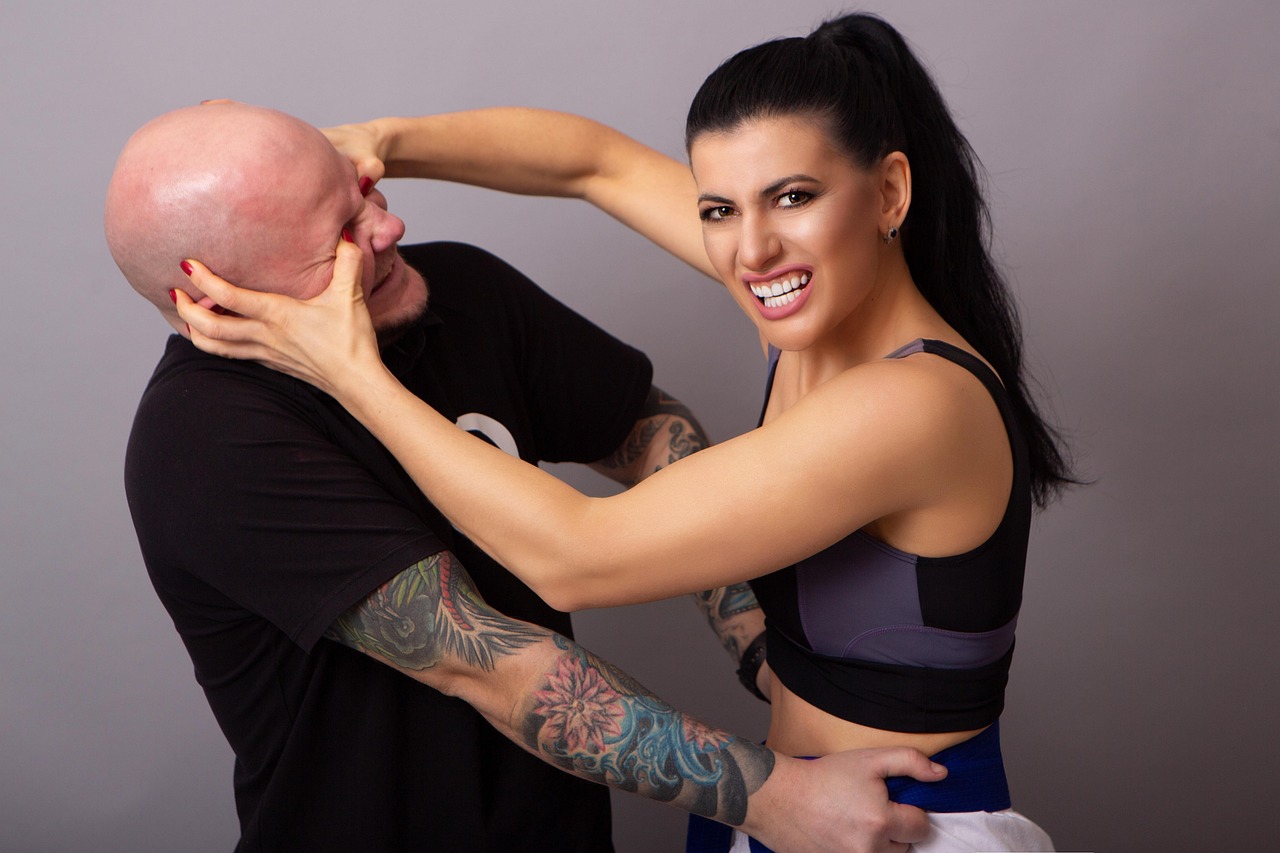
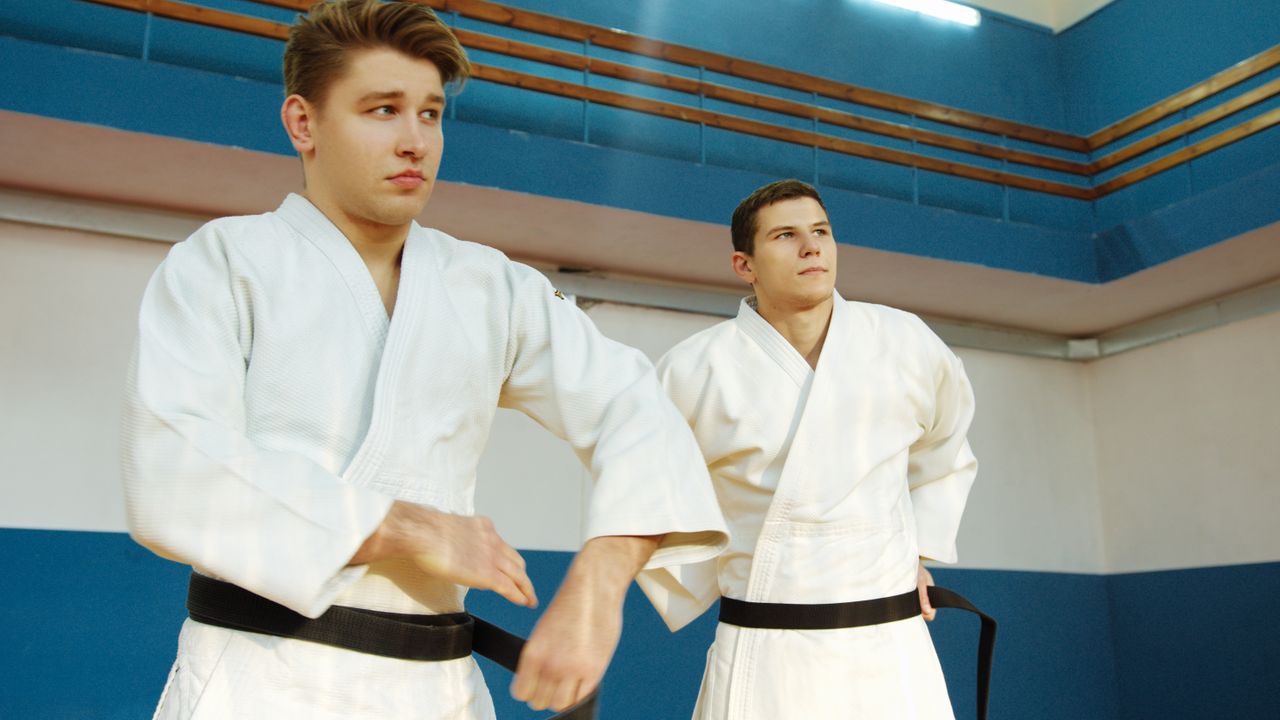
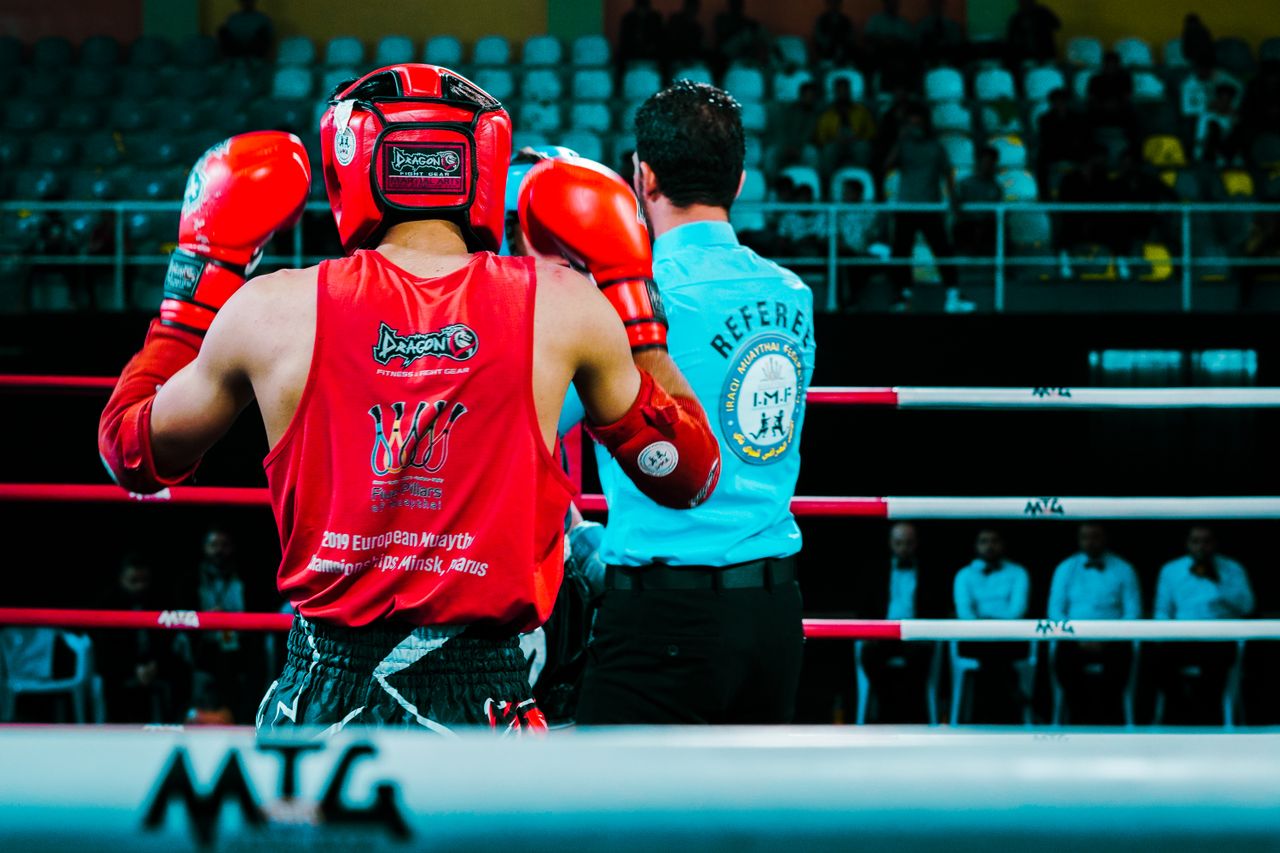
Vienna’s fight culture also benefits from Austria’s wider grappling and striking base. Boxing and kickboxing provide the most visible entry points for many athletes, while Brazilian jiu-jitsu and submission grappling have become essential to any serious MMA path. The city’s gyms reflect that mixed model. A fighter in Vienna may not grow up inside a large American-style wrestling system or a Dagestani-style grappling culture, but they can build a complete game by moving through boxing, Muay Thai, grappling, and MMA classes. That gives Vienna a practical training identity rather than a romanticized one.
Gyms such as MMA Vienna show how the city’s scene is organized around multi-discipline development. A schedule that includes boxing, Muay Thai, grappling, sparring, and MMA-specific sessions says a lot about the local model. The scene is not large enough to depend only on professional fight camps. It has to serve beginners, amateurs, hobbyists, and serious competitors in the same ecosystem. That is common in emerging and mid-sized MMA markets, where the gym is both a community space and a performance pathway.
Austria’s broader MMA profile also includes fighters outside Vienna, such as Ismail Naurdiev, who became known internationally as “The Austrian Wonderboy.” His career, rooted in wrestling and sharpened across European promotions before reaching the UFC, shows that Austrian MMA cannot be understood only through Vienna. Salzburg, regional gyms, migrant backgrounds, and cross-border fight opportunities all matter. Still, Vienna remains the symbolic center because it is the capital, the largest city, and the place most easily associated with Austria’s international sports identity.
The regional map around Vienna is also important. Fighters do not develop in isolation. Austria is close to active MMA markets in Germany, Czechia, Slovakia, Hungary, Poland, Slovenia, and the Balkans. That geography gives Vienna-based athletes access to a broader Central European circuit. A fighter can compete regionally, travel for sparring, face different styles, and build experience before attempting to break into larger promotions. For a city without a dominant domestic promotion, that cross-border access is essential.
Vienna’s MMA future will probably be shaped by depth rather than sudden explosion. The city has already shown it can produce or support UFC-level talent, but the larger question is whether it can build a thicker amateur and professional pipeline beneath the top names. More local events, stronger youth grappling programs, better wrestling development, and continued links to regional promotions would give Vienna a more durable MMA identity.
At its best, MMA in Vienna looks technical, international, and quietly ambitious. It is not a massive fight factory, but it is not a blank spot either. It is a city where Central European combat-sports traditions, immigrant athletic stories, and modern MMA training are slowly forming a more recognizable scene.