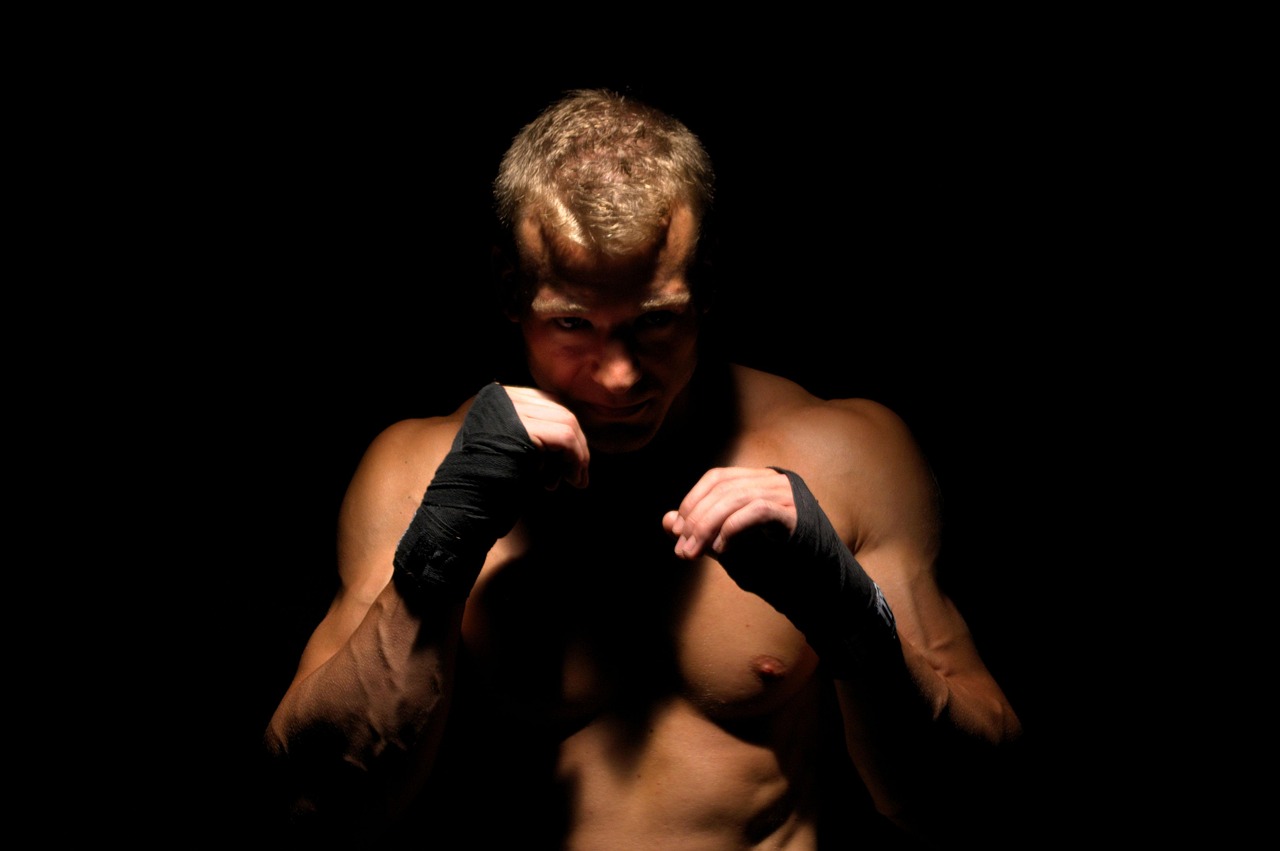
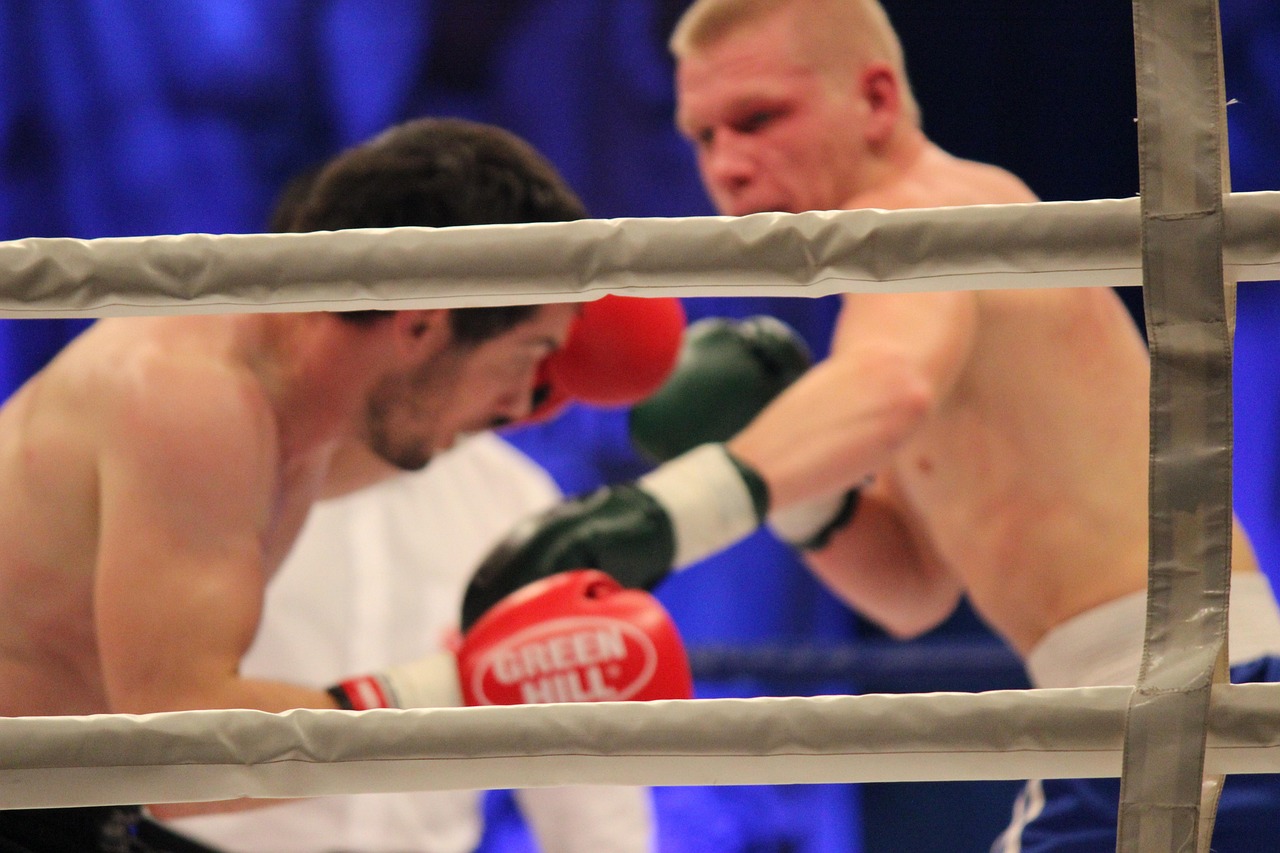
Mixed martial arts in Russia is not a thin modern trend layered over imported fight culture. It is the product of a much older and deeper combat sports system, one built through wrestling rooms, sambo schools, judo clubs, boxing gyms, military sport, and regional athletic traditions that existed long before MMA became a global television product. Russia’s place in MMA is unusual because the country did not need the sport to invent a combat identity. MMA became a new arena for skills that were already highly developed.
That is why Russian MMA has such a recognizable style. The best Russian fighters are often defined by pressure, positional control, clinch strength, scrambling ability, and the ability to turn grappling into damage. The country has produced champions, contenders, feared prospects, and durable regional veterans across multiple weight classes. It has also produced several distinct MMA identities within one national scene. Moscow and St. Petersburg have major gyms, media attention, and professional infrastructure. The North Caucasus has become one of the most important talent-producing regions in modern MMA. Siberia, the Volga region, and other parts of the country have contributed wrestlers, sambo fighters, strikers, and club-level competitors who feed a deep domestic circuit.
Russia is not simply a place that sends fighters abroad. It is a complete fight ecosystem. Athletes can develop through youth wrestling, combat sambo, army sport, local tournaments, regional MMA promotions, national leagues, and then international organizations. For many Russian fighters, MMA is not the first combat sport they learn. It is the professional destination where years of grappling, striking, and competitive discipline are combined.
Sambo, Wrestling, and the Roots of Russian MMA
To understand MMA in Russia, the first step is understanding that many of its fighters come from structured combat sports rather than casual gym culture. Sambo is central to that story. Developed in the Soviet Union, sambo combined elements of judo, wrestling, and regional grappling styles into a system designed for sport, self-defense, and military application. Combat sambo, with striking added to grappling, became especially important as a bridge to MMA.
That background helped Russian fighters adapt quickly to mixed rules. A combat sambo athlete is already used to takedowns, throws, submissions, ground control, and striking entries. The rhythm is not identical to MMA, but the transition is more natural than it would be from a single-discipline base. Combat sambo athletes learn to fight through contact, close distance, attack from the clinch, and continue working after the fight hits the mat. Those habits translate directly into MMA.
Wrestling is just as important. Russia has long been one of the world’s strongest wrestling nations, especially in freestyle and Greco-Roman wrestling. In many regions, wrestling is not a niche activity. It is a serious athletic pathway, often started young, with demanding coaching standards and intense competition. A fighter who comes through that system may enter MMA with years of takedown defense, mat awareness, hip pressure, and balance already built into his game.
Judo has also shaped Russian MMA. The country has produced elite judoka, and judo’s emphasis on throws, grip fighting, balance, and top control has helped create fighters who are comfortable in close quarters. Boxing adds another layer. Russia’s boxing tradition gives many MMA athletes a foundation in straight punching, footwork, toughness, and disciplined striking mechanics. Kickboxing and Muay Thai have grown as well, especially in larger cities, giving Russian MMA more variety than the stereotype of the pure grappling fighter suggests.
The Russian MMA style is therefore not one thing. It is a convergence. A fighter may have sambo entries, wrestling pressure, judo throws, boxing combinations, and a pragmatic approach to top control. The result is often less flashy than it is effective. Russian fighters are frequently difficult to move, difficult to discourage, and difficult to beat in long physical exchanges.
The North Caucasus and Russia’s Most Distinct MMA Pipeline
No discussion of Russian MMA can avoid the North Caucasus. Dagestan, Chechnya, Ingushetia, Ossetia, and neighboring republics have become central to Russia’s global MMA reputation. The region’s influence is so strong that many international fans think of Russian MMA through a North Caucasus lens: elite wrestling, relentless pressure, suffocating top control, and a deep culture of physical discipline.
Dagestan is the most famous example. Its wrestling culture is extraordinary, and its impact on MMA has been global. The region has produced athletes who seem unusually comfortable with the hardest parts of the sport: clinch pressure, chain wrestling, mat returns, riding, and fighting through fatigue. Dagestani fighters often do not treat the takedown as a single action. They treat it as a sequence. If the first entry fails, they move to the second, third, and fourth. If the opponent stands, they return him to the mat. If the opponent defends, they keep building pressure.
Khabib Nurmagomedov became the defining figure of this identity. His undefeated career and UFC lightweight title reign changed the way fans, coaches, and fighters thought about grappling dominance in MMA. He did not simply win with takedowns. He broke opponents through layered control, cage wrestling, ground pressure, and an ability to make elite strikers fight from positions where their weapons were neutralized. His success turned Dagestan into one of the most discussed MMA regions in the world.
Islam Makhachev extended that legacy at the highest level. His game has many of the same Dagestani foundations, but with a more polished southpaw striking system and a calm, technical approach to transitions. Together, Nurmagomedov and Makhachev made Dagestan more than a regional story. They made it one of the sport’s great development models.
Chechnya has also become important in Russian MMA, both through fighters and through investment in gyms, promotions, and combat sports infrastructure. The region has produced tough competitors and built a visible fight culture around wrestling, striking, and MMA training. Ossetia and other Caucasus regions add further depth through wrestling and combat sports traditions that predate modern MMA.
The North Caucasus pipeline matters because it shows how MMA can grow from a broader social and athletic environment. In many parts of the region, wrestling is not just an extracurricular activity. It is a respected route toward discipline, status, and opportunity. MMA then becomes a professional stage for athletes who have already been hardened by years of intense local competition.
Fedor Emelianenko and the Russian Heavyweight Legacy
Before the Dagestani era became the dominant international image of Russian MMA, Fedor Emelianenko gave the country one of the sport’s most important global figures. Fedor’s prime years in Pride Fighting Championships made him a heavyweight legend and helped define Russia’s early reputation in modern MMA.
Fedor was not built like the exaggerated image of a heavyweight destroyer. His greatness came from composure, speed, timing, balance, and technical completeness. He could strike with power, throw from the clinch, scramble on the ground, attack submissions, and remain calm in dangerous positions. His background in sambo and judo gave him a style that felt different from many heavyweights of his era. He was not simply a puncher, wrestler, or submission specialist. He was a true mixed martial artist at a time when the sport was still sorting out what that meant.
His wins over major heavyweight names gave Russia a permanent place in MMA history. For many international fans, Fedor was the first Russian fighter who represented elite MMA excellence. He helped establish the idea that Russian combat sports could produce not only strong grapplers, but complete fighters capable of beating the best in the world.
Fedor’s influence also matters because he came from a different part of the Russian MMA map than the later North Caucasus wave. Born in what is now Ukraine and long associated with Russia, he trained and competed through systems connected to sambo, judo, and the post-Soviet fight world. His career reflected the broader Russian and former Soviet combat sports environment: disciplined, technical, understated, and extremely competitive.
The Russian heavyweight tradition did not begin and end with Fedor. Fighters such as Sergei Kharitonov, Alexander Volkov, and others have carried Russian heavyweight and light heavyweight relevance into different eras and organizations. Volkov, in particular, became a long-running UFC heavyweight contender, showing a different Russian archetype: tall, technical, experienced, and comfortable in a striking-heavy heavyweight division. Kharitonov brought boxing power, toughness, and experience across Pride, Strikeforce, Bellator, and other promotions.
Russia’s heavyweight identity is different from its Dagestani lightweight and welterweight identity. It is less about suffocating wrestling chains and more about sambo, boxing, durability, and professional experience. Together, those strands show how broad Russian MMA has become.
Russian Fighters on the Global Stage
Russia has been one of the most important talent sources for major international MMA organizations. The UFC, Bellator, PFL, ONE Championship, Rizin, M-1 Global, ACA, and other promotions have all featured Russian fighters in meaningful roles. Some arrived as established regional champions. Others used international platforms to become global stars.
Khabib Nurmagomedov remains the most famous Russian MMA athlete worldwide. His undefeated record, UFC championship run, and rivalry with Conor McGregor pushed him beyond ordinary fight fame. Yet his importance is not only commercial. He changed tactical conversations in MMA. His cage wrestling, leg control, wrist rides, and pressure sequences became study material for gyms around the world.
Islam Makhachev continued that championship lineage and helped prove that the Dagestani model was not dependent on one exceptional athlete. His rise showed the strength of the broader training system around Abdulmanap Nurmagomedov’s legacy, American Kickboxing Academy connections, and the next generation of Dagestani fighters.
Petr Yan brought a different Russian style to international attention. A former UFC bantamweight champion from Siberia, Yan became known for his boxing, stance switching, defensive responsibility, and calculated pressure. His success showed that Russian MMA is not only a grappling story. Yan’s striking skill, fight IQ, and composure made him one of the most technically respected bantamweights of his era.
Zabit Magomedsharipov gave fans another version of Russian talent: creative, rangy, unpredictable, and deeply skilled. His blend of Dagestani athleticism, traditional martial arts flair, and submission ability made him one of the most intriguing featherweights in the UFC before his early exit from competition. Even with a short top-level run, he left a strong impression on the global MMA audience.
Alexander Volkov, Magomed Ankalaev, Sergei Pavlovich, Movsar Evloev, Umar Nurmagomedov, Askar Askarov, and many others have added to the country’s reputation across divisions. The common thread is not that they all fight the same way. It is that Russian fighters often arrive with a serious competitive base before they become internationally visible. They are rarely raw athletes learning combat from scratch. They usually come from systems where hard rounds, regional tournaments, and technical discipline are already normal.
Moscow, St. Petersburg, and the Urban MMA System
While the North Caucasus gives Russian MMA much of its global identity, Moscow and St. Petersburg provide a different kind of importance. These cities function as professional centers. They offer larger gyms, media access, sponsorship opportunities, management connections, and proximity to national-level events. Fighters from across Russia may move through these cities at different points in their careers.
Moscow’s MMA scene is tied to the broader sports infrastructure of the capital. The city has wrestling clubs, boxing gyms, sambo programs, BJJ academies, striking coaches, and MMA teams capable of preparing athletes for domestic and international competition. It is also a business and promotional center, which matters in a sport where visibility can shape opportunity.
St. Petersburg has its own combat sports culture, with a strong base in boxing, wrestling, sambo, and modern MMA gyms. The city’s athletes benefit from a large urban training environment and access to competitive circuits. It has also been associated with major Russian fighters and teams across different eras.
The urban MMA model differs from the regional pipeline. In Moscow or St. Petersburg, a fighter may have more access to specialized coaching, international sparring partners, and media exposure. In a smaller republic or regional city, the fighter may develop through a tougher but narrower base, especially wrestling or sambo. The best Russian MMA often comes from combining those worlds: the intensity of regional combat sports with the technical and professional resources of major training centers.
This is one reason Russian fighters can seem so prepared by the time they reach international promotions. Many have already been filtered through multiple competitive layers. They may start in a local wrestling or sambo environment, move into MMA through a regional gym, build records in Russian promotions, and then sharpen their game in larger camps before facing global opposition.
Domestic Promotions and the Russian Fight Circuit
Russia’s MMA depth depends heavily on its domestic promotions. For years, organizations such as M-1 Global played a major role in building the country’s professional scene. M-1 helped develop fighters, stage events, and connect Russian MMA to the wider international market. It gave many athletes a platform before they moved to larger global promotions.
Absolute Championship Akhmat, commonly known as ACA, has become one of the most important promotions in the Russian and post-Soviet MMA world. Its roster has included high-level fighters from Russia, the Caucasus, Central Asia, Eastern Europe, and beyond. ACA is known for competitive matchmaking and a deep talent pool, especially in lighter and middle weight classes. For serious MMA observers, ACA has often been viewed as one of the strongest non-UFC leagues in the world.
Other promotions and regional shows help support the lower and middle levels of the sport. These events matter because MMA development requires volume. Fighters need places to debut, lose, improve, rematch, and build experience. A country with only a few elite stars but no domestic circuit cannot sustain long-term influence. Russia has had enough internal competition to create a real ladder.
The Russian circuit can be demanding. Prospects are often matched against tough opponents early. Many fighters enter international organizations with more practical experience than their records alone suggest. They may have faced strong wrestlers, aggressive strikers, and durable regional veterans before they ever appear on a global broadcast.
Amateur MMA also plays a role. Russia has produced athletes through amateur tournaments, combat sambo championships, and national-level competitions that help fighters develop before turning professional. This layered structure gives the country more stability than scenes that rely only on a handful of famous gyms.
Training Culture: Pressure, Repetition, and Competitive Standards
Russian MMA training culture is often described through toughness, but toughness alone is too vague. What stands out is the combination of repetition, positional discipline, and competitive expectation. Fighters are trained to be hard to control, hard to submit, and hard to separate from their preferred game.
In grappling-heavy regions, training often emphasizes chain wrestling, mat returns, top control, and transitions from takedown attempts into dominant positions. The wall or cage becomes an extension of the wrestling room. Fighters learn to trap hips, control wrists, ride legs, and force opponents to carry weight. This is not simply about landing one takedown. It is about making the opponent solve the same problem again and again until his defense slows.
In sambo-influenced environments, fighters often show comfort in scrambles and transitional moments. Throws, trips, submissions, and ground-and-pound can flow together quickly. Sambo’s influence also creates a certain comfort with risk. Fighters may attack rolling leg locks, fast armbars, or sudden trips from positions where a more conventional wrestler might simply drive forward.
In striking-heavy camps, Russian fighters often show the imprint of boxing and kickboxing systems: disciplined guards, straight punches, body work, and measured pressure. Petr Yan is one of the clearest examples of a Russian fighter whose elite identity was built around striking intelligence rather than pure grappling. Sergei Pavlovich represents another version, with heavyweight power, hand speed, and finishing instinct.
The training culture is also shaped by geography. Russia is vast, and its MMA scene is not concentrated in one city. Fighters may come from small towns, republics, industrial cities, military backgrounds, or traditional sports schools. That creates variety, but it also creates a common pattern: athletes often arrive in MMA after already being tested elsewhere.
Russia’s MMA Style Is Broader Than the Stereotype
International fans sometimes reduce Russian MMA to Dagestani wrestling. That stereotype exists for a reason, because Dagestani fighters have been extraordinarily successful. But Russia’s overall MMA identity is much wider.
There are Russian fighters who are primarily boxers. There are sambo specialists who prefer submissions and throws. There are tall heavyweight strikers, compact pressure fighters, slick bantamweights, grinding wrestlers, and creative kickers. There are fighters from Siberia, the North Caucasus, Moscow, St. Petersburg, the Volga region, and other areas whose styles reflect different local influences.
This variety matters because it makes Russia one of the few countries with both elite specialization and broad national depth. Some MMA countries become known for one discipline because that is almost all they have. Russia is different. Wrestling and sambo may be the spine, but boxing, judo, kickboxing, and modern MMA coaching give the scene multiple expressions.
The best Russian fighters also tend to be tactically mature. They are often good at choosing where the fight happens. Grapplers force clinches and takedowns. Strikers manage distance and pressure. Hybrid fighters use striking not as decoration, but as a way to enter grappling exchanges or punish opponents who overcommit to defense.
That tactical seriousness is one of Russia’s biggest MMA strengths. Many Russian fighters are not built around chaos. They are built around control. Whether that control comes through wrestling, cage pressure, boxing pace, or top position depends on the fighter.
Fan Culture, National Pride, and the Meaning of MMA in Russia
MMA has a strong audience in Russia because it connects to combat sports traditions that already had public legitimacy. Wrestling, boxing, sambo, and judo are respected sports. MMA benefited from that foundation, even when it had to establish itself as a distinct professional product.
Russian fans often follow fighters through regional identity as much as national identity. A Dagestani fighter, a Chechen fighter, a Siberian fighter, or a Moscow-based fighter may carry a specific local following. That regional pride adds intensity to the fan culture. Fighters are not only representing themselves. They may be seen as representing a republic, city, ethnic community, gym, or martial tradition.
International success has expanded that audience. Fedor made Russian MMA globally respected. Khabib made it globally unavoidable. Makhachev, Yan, Volkov, Ankalaev, and others kept Russian fighters central to major MMA conversations. Fans in Russia have had reasons to follow the sport at every level: local shows, regional prospects, international contenders, and champions.
There is also a strong coaching culture around successful fighters. Abdulmanap Nurmagomedov’s influence is one of the clearest examples. His role in developing athletes, building systems, and shaping Dagestani MMA gave him a legacy beyond any single fighter. In Russia, coaches and gyms often carry public importance because they are seen as builders of competitive lineages.
MMA’s popularity in Russia is not identical to football, hockey, or Olympic sports, but it has a serious and informed fan base. The country understands combat sports. That makes its MMA audience different from markets where fans only arrive through celebrity fights or major pay-per-view events. Russian fans are often comfortable discussing wrestling credentials, sambo backgrounds, and regional fight records because those details matter inside the culture.
The Future of MMA in Russia
Russia’s MMA future is tied to three strengths: grassroots combat sports depth, regional competition, and proven international success. Few countries have a stronger base of athletes who can transition into MMA. Wrestling, sambo, boxing, judo, and kickboxing will continue to feed the sport, especially in regions where combat sports remain a major part of youth athletics.
The North Caucasus will remain one of the world’s most important MMA talent zones. Dagestan in particular has already produced a model that other fighters and coaches study. As long as young athletes continue to move from wrestling and sambo into MMA, the region will keep generating high-level prospects.
Russia’s larger cities will also remain important because modern MMA requires more than raw athletic talent. Fighters need striking coaches, strength and conditioning, nutrition, management, media access, and high-level sparring. Moscow and St. Petersburg can provide those resources, while regional gyms continue producing tough competitors with strong foundations.
The domestic circuit will be essential. Promotions such as ACA and other Russian or regional organizations give fighters a place to develop before moving into wider international competition. Without that ladder, prospects would be rushed too quickly or forced to build careers abroad. With it, Russia can keep producing experienced professionals rather than isolated stars.
Russia’s international MMA presence may shift with politics, promotional access, travel restrictions, and global matchmaking, but the country’s underlying talent base is not fragile. It is too deeply rooted in established combat sports. Even when the international pathway becomes more complicated, Russian fighters continue to train, compete, and develop through domestic and regional systems.
The defining point is that Russian MMA is not dependent on one champion, one gym, or one era. Fedor represented one age. Khabib transformed another. Makhachev, Yan, Volkov, Ankalaev, Pavlovich, Evloev, Umar Nurmagomedov, and others show the continuing range of the system. Behind them is a much larger structure of wrestlers, sambo fighters, boxers, coaches, and local competitors.
Russia is one of MMA’s true power countries because it has both history and machinery. It has legendary names, but it also has the development culture that produces the next wave. Its fighters are shaped by hard regional competition, deep grappling systems, serious striking traditions, and a national comfort with combat sports. That combination has made Russia a permanent force in modern MMA, and it is likely to remain one of the sport’s most important talent sources for years to come.