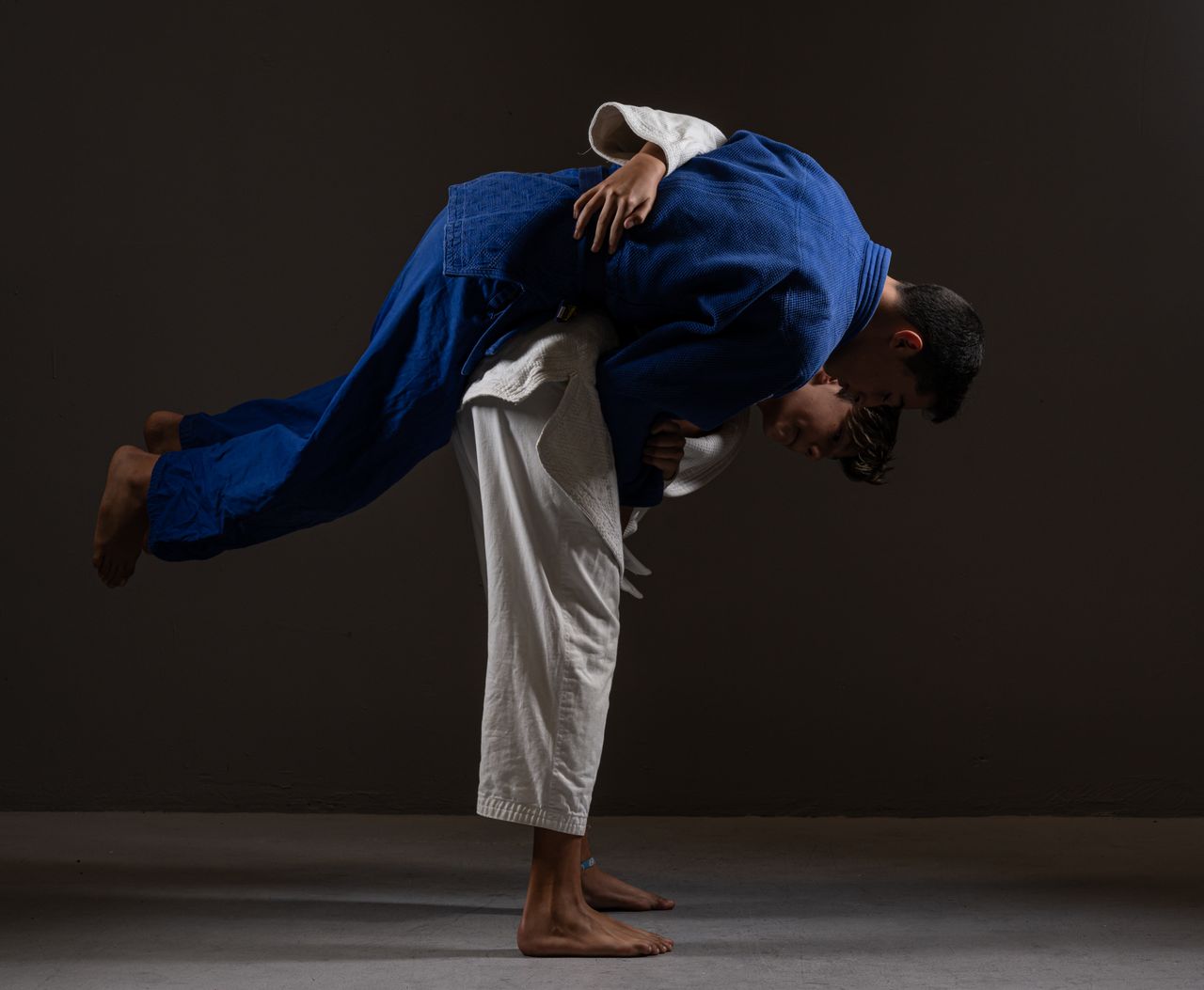
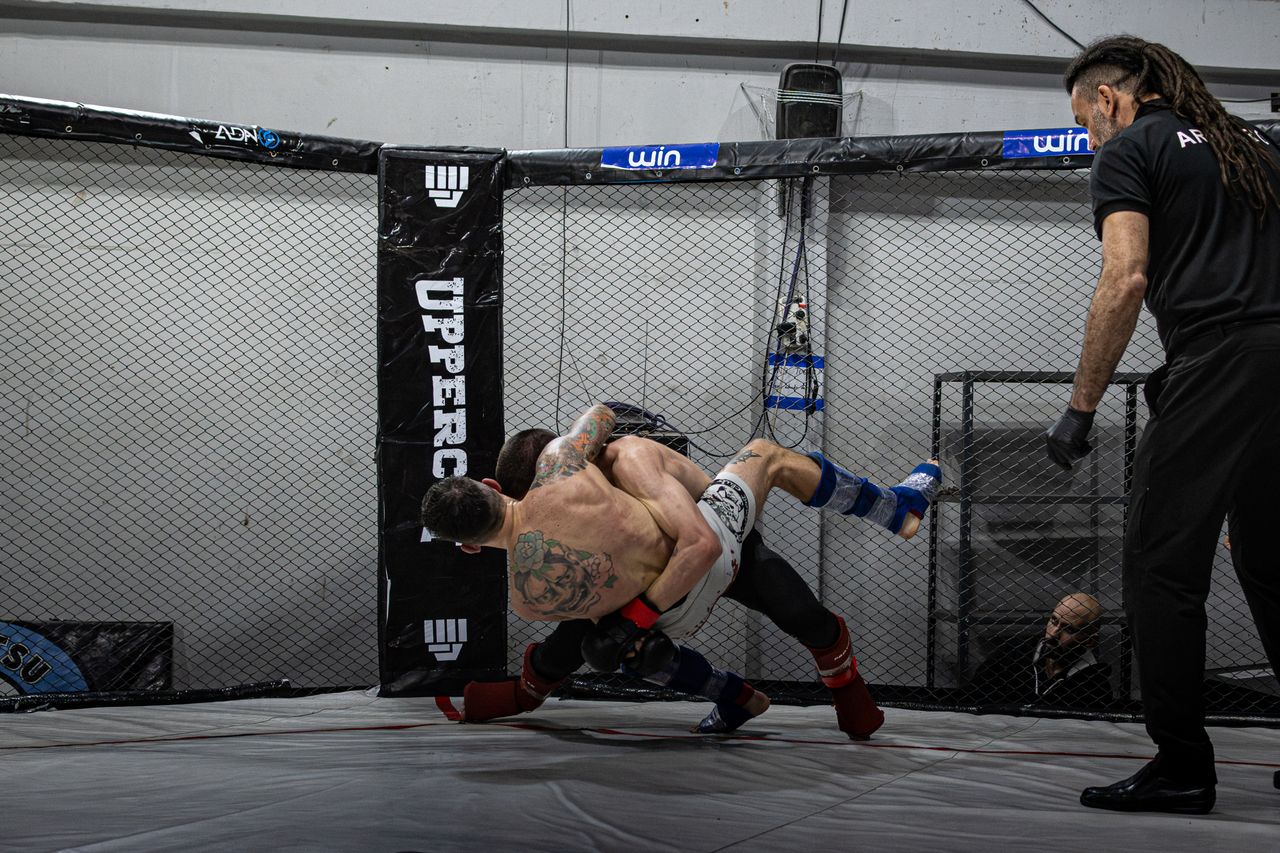
MMA in Nashville is best understood as a regional training and event market rather than a traditional fight capital. The city does not have the same long-established national reputation as Las Vegas, Southern California, South Florida, or Albuquerque, but it has become a credible stop for major promotions and a practical home base for fighters developing in Tennessee’s broader combat-sports ecosystem. Nashville’s identity sits between grassroots training culture and big-event visibility: local athletes can build through gyms, amateur shows, and regional circuits, while the city’s arena infrastructure gives the UFC a reason to return.
The most visible part of Nashville’s MMA profile is event hosting. Bridgestone Arena has staged multiple UFC events, including UFC Fight Night: Teixeira vs. Saint Preux in 2015, UFC Fight Night: Sandhagen vs. Font in 2023, and UFC Fight Night: Lewis vs. Teixeira in 2025. Those cards show Nashville’s value as a live-fight market. It is not just a city with scattered gyms; it is a city large enough, central enough, and sports-oriented enough to support nationally televised fight nights.
The local training culture leans heavily on the practical building blocks of modern MMA: Brazilian jiu-jitsu, wrestling, boxing, and kickboxing. Nashville does not have one universally dominant team that defines the city in the way American Top Team defines Coconut Creek or Xtreme Couture defines parts of Las Vegas. Instead, the scene is more distributed. Fighters and hobbyists move through BJJ academies, MMA gyms, striking rooms, and regional fight teams, with the city functioning as a development market for Tennessee and the surrounding South.
Nashville MMA Training Camp is one of the clearest examples of that structure. The gym lists UFC veteran Dustin Ortiz as fight team head coach, along with coaches for striking and grappling, which reflects the kind of mixed staff that a serious regional MMA room needs. Ortiz gives the city an important fighter-to-coach link: a local athlete with major-promotion experience who can pass along professional standards to the next wave.
The grappling base is also important. Shawn Hammonds Jiu Jitsu Academy has long been part of the Nashville martial arts landscape, and its public materials describe a BJJ program with beginner, advanced, kids, adult, competition, and self-defense tracks. That matters because many cities grow MMA not by opening pure MMA supergyms first, but by building a wider grappling culture. Once a city has enough people training jiu-jitsu, wrestling, and striking, amateur MMA becomes easier to sustain.
Tennessee’s event calendar shows that Nashville fits into a wider state circuit rather than standing alone. The Tennessee Athletic Commission lists professional and amateur combat-sports events across Nashville, Knoxville, Memphis, Chattanooga, Jackson, Clarksville, and smaller cities. That spread helps explain Nashville’s role: it is the state’s most recognizable entertainment market, but fighters may develop across multiple Tennessee fight communities before appearing on larger cards.
The city’s future in MMA will likely remain tied to three things: arena-level UFC returns, steady local coaching, and the ability of Tennessee promotions to keep amateurs active. Nashville does not need to pretend to be a global MMA factory to be relevant. Its strength is more practical. It has fans, venues, regional athletes, BJJ infrastructure, and enough major-event history to keep the city in the conversation when the UFC looks for Southern markets outside the usual hubs.