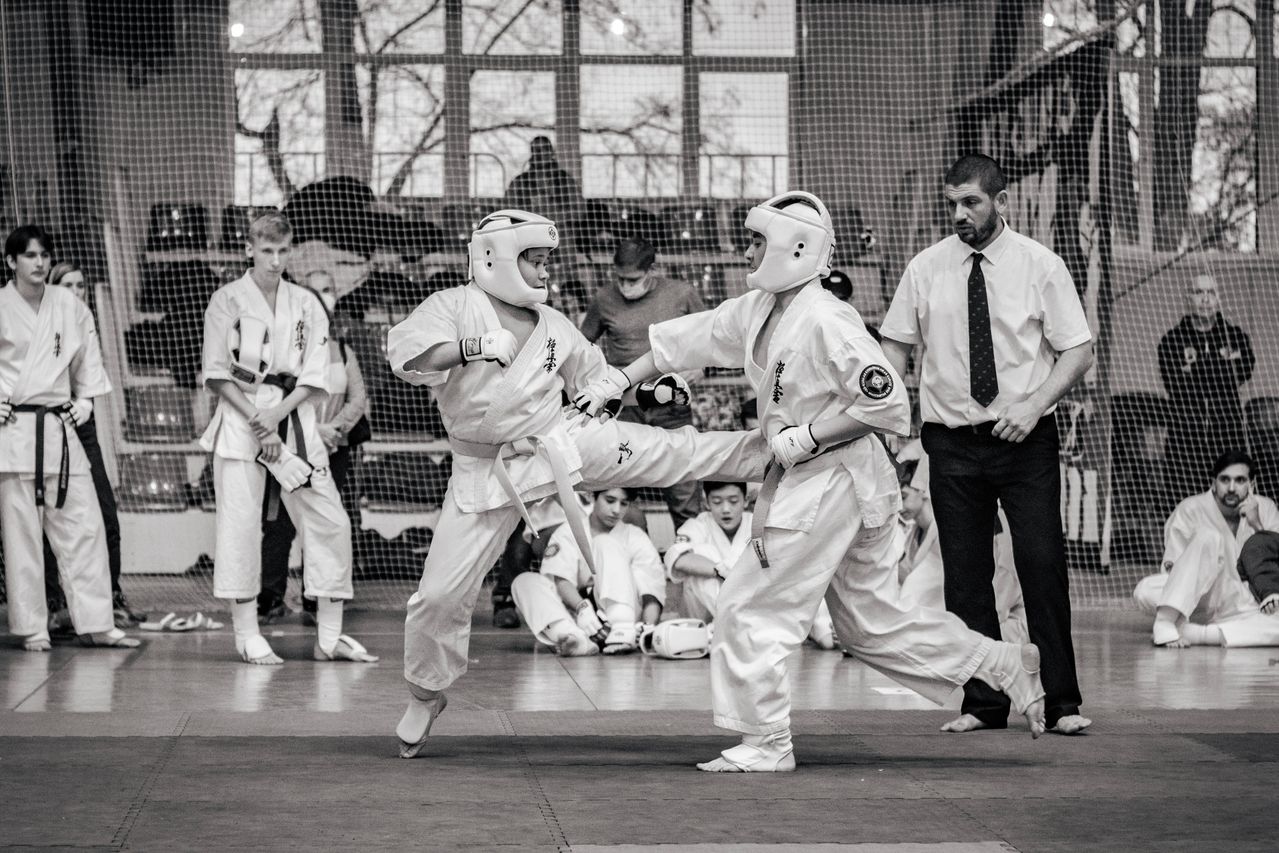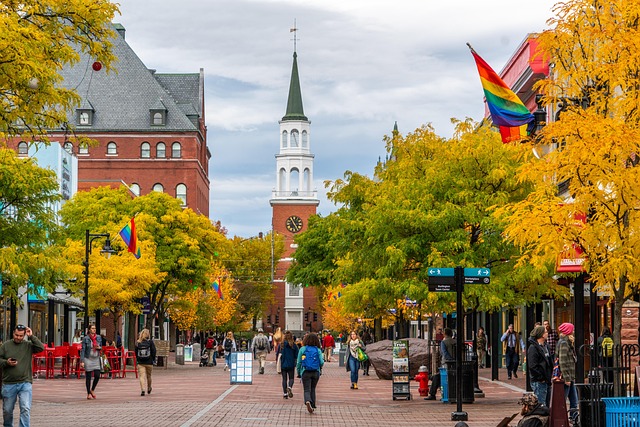
MMA in Vermont is not built around famous UFC stars or a dense network of major professional camps. Its identity is much smaller, more local, and more grassroots. That does not make it irrelevant. It makes Vermont a useful example of how MMA survives and develops in a small state where the scene depends heavily on local coaches, regional promotions, amateur fighters, and community-based gyms.
Vermont’s combat-sports foundation is spread across the usual building blocks of modern MMA: Brazilian jiu-jitsu, boxing, wrestling, kickboxing, Muay Thai, and general martial arts training. The state does not have the same high-volume wrestling-to-MMA pipeline found in places like Pennsylvania, Iowa, Ohio, or New Jersey. It also does not have the major city training density of New York, Boston, Philadelphia, or Montreal. Because of that, Vermont MMA has to be understood as a regional ecosystem. Fighters often develop locally, compete in state or nearby New England shows, and measure progress through the amateur circuit before considering larger opportunities.
That makes gyms especially important. In a small market, one committed coach or academy can shape a large share of the competitive scene. Vermont MMA has seen this through gyms that serve both as training centers and community anchors. Graniteville’s local MMA presence, for example, reflects the state’s larger pattern: fighters training after work, coaches building programs from modest spaces, and athletes preparing for regional cards rather than expecting immediate national exposure.
The most important piece of Vermont’s MMA identity is the local event structure. DonnyBrooke Fight Promotions and its Battle in Barre events have given Vermont fighters a platform close to home. That matters enormously in a state where athletes could otherwise be forced to travel out of state for consistent cage time. Local promotions do more than stage fights. They create rankings, rivalries, coaching goals, ticket-selling incentives, and a reason for gyms to keep building amateur rosters.
Vermont also has a natural relationship with the rest of New England. The state’s fighters are not isolated from larger regional scenes in Massachusetts, New Hampshire, Maine, Connecticut, Rhode Island, and New York. That regional connection is essential. A Vermont fighter who outgrows the local scene can look toward broader New England MMA, where promotions and gyms have deeper pools of opponents. This is how small-state MMA usually develops: locally at first, regionally after that, and nationally only for the rare athlete who can keep climbing.
Because Vermont lacks a long list of nationally known MMA names, the honest profile of the state should focus less on celebrity and more on infrastructure. The scene’s strength is not star power. It is persistence. Local fighters often balance jobs, family obligations, long drives, limited opponent pools, and small audiences while still training seriously. That creates a different kind of fight culture than a major UFC gym. It is less polished, but often more personal.
The future of MMA in Vermont will probably remain regional rather than explosive. The state is unlikely to become a major national pipeline, simply because population, geography, and market size work against that. But it can continue to produce serious amateurs, occasional pros, and durable regional competitors if its gyms and promotions remain active. Vermont MMA is a small scene, but it has a defined identity: local, hard-earned, and dependent on the people willing to build the sport without needing a national spotlight.