MMA in New Orleans is less about a dense citywide fighter pipeline and more about Louisiana fight culture finding a major stage. The city’s combat-sports identity has always been tied to performance, toughness, local pride, and live events. In MMA terms, New Orleans works as the state’s showcase city: a place where Louisiana fighters, regional promotions, and the UFC can turn a fight card into something larger than a standard arena booking.
The clearest recent example was UFC 318 at the Smoothie King Center on July 19, 2025. The event was built around Max Holloway vs. Dustin Poirier 3, with Poirier, a Lafayette native and one of Louisiana’s defining MMA figures, making his final UFC appearance. The UFC’s official listing placed the card in New Orleans, and the arena’s event information framed the night around Poirier’s final walk and a major fan experience.
That night mattered because Poirier is not just a famous fighter who happened to be from Louisiana. He became the state’s most important modern MMA representative: an interim UFC lightweight champion, a long-running elite contender, and a fighter whose identity stayed visibly connected to South Louisiana. New Orleans provided the big-city stage for that farewell, even though Poirier’s roots are more Lafayette than New Orleans proper. That distinction is important. New Orleans is the event capital; the deeper Louisiana fighter pipeline also runs through places like Lafayette, Baton Rouge, Slidell, and smaller Gulf South communities.
The UFC 318 card also showed that Louisiana’s MMA identity is broader than Poirier alone. Brendan Allen, another major Louisiana-connected UFC fighter, competed on the card, and local coverage emphasized the presence of multiple Louisiana-linked athletes. That kind of card helps turn a city event into a state-level MMA moment, especially when the crowd sees fighters as representatives of a wider regional culture.
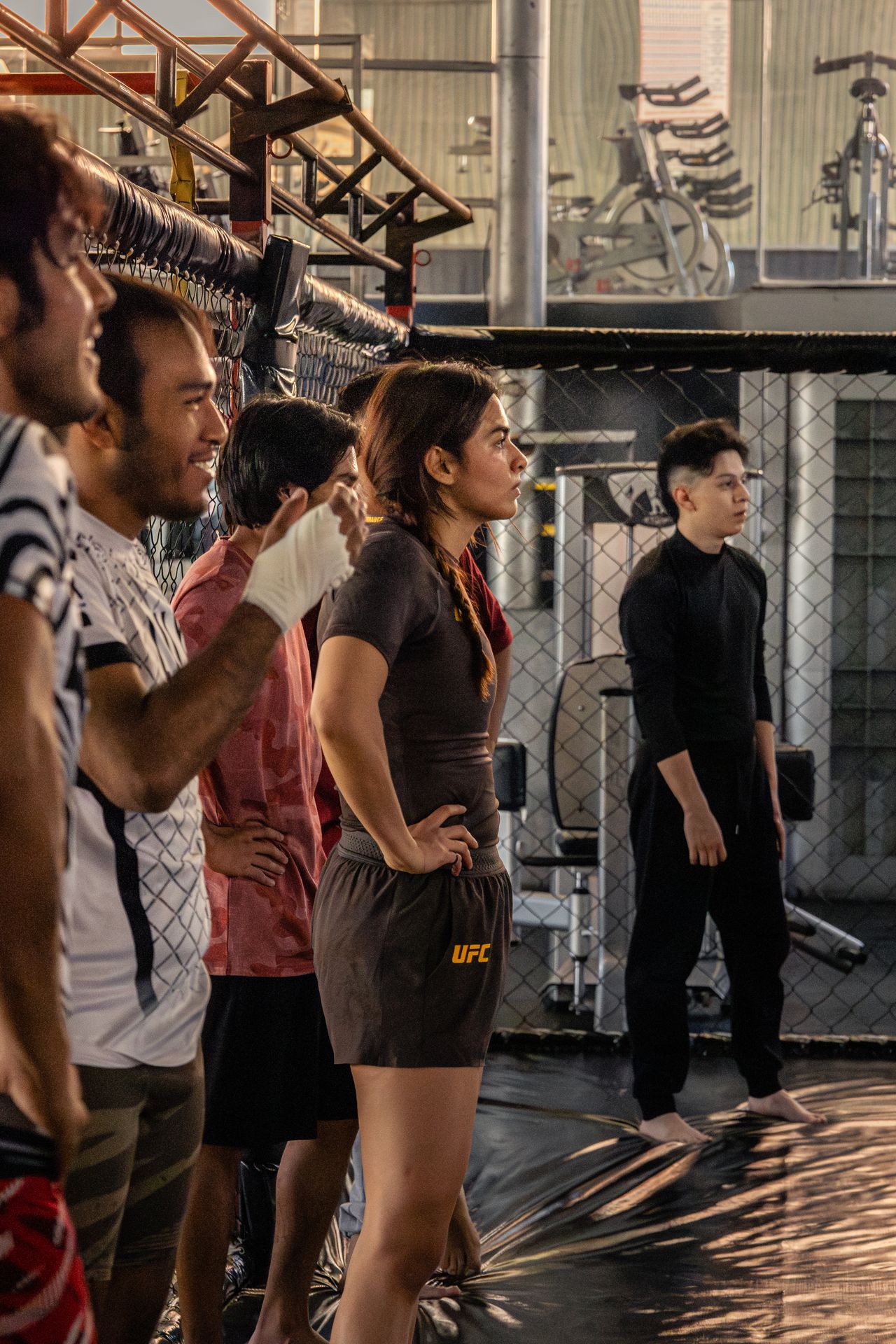
New Orleans’ local scene depends heavily on regional promotions and martial arts schools rather than a single mega-gym. Bayou Fighting Championship describes itself as South Louisiana’s premier mixed martial arts organization and promotes live MMA events featuring talent from across the South. That type of promotion is essential for a market like New Orleans because it gives local and regional fighters a bridge between gym training and larger opportunities.
The training base around New Orleans and Louisiana is also supported by grappling. Gracie United, led by Rafael Ellwanger, describes a network across Louisiana, Mississippi, and Alabama, with students competing in grappling tournaments and MMA. That regional BJJ footprint is part of the foundation beneath the state’s MMA scene. The fighters who eventually reach professional cards often come through exactly this kind of environment: jiu-jitsu rooms, striking classes, amateur shows, and regional promotions that connect nearby cities.
New Orleans will probably continue to matter most as a high-energy event market rather than a year-round national training destination. That is not a weakness. In MMA, some cities produce champions, some host history, and some do both occasionally. New Orleans gives Louisiana fighters a symbolic home stage, gives regional promotions a visible market, and gives national organizations a crowd that understands combat sports as part of a larger local entertainment culture.