Kansas boxing is not built around one giant fight city or a long list of world-famous arenas. Its identity is quieter, tougher, and more regional. The state’s boxing culture has usually been shaped by small gyms, amateur development, military towns, county-fair toughness, Kansas City influence, and the memory of one of the most imposing heavyweight champions in boxing history. Kansas is not a volume state in the way New York, California, Texas, or Pennsylvania are, but it has always had a place in the American boxing map because of the type of fighter the state tends to produce: durable, plainspoken, physically strong, and often formed away from the bright lights.
The name that gives Kansas its clearest place in boxing history is Jess Willard. Born in Kansas, Willard became world heavyweight champion in 1915 when he defeated Jack Johnson in Havana. Known as the “Pottawatomie Giant,” Willard was a massive figure for his era and a symbol of the early twentieth-century heavyweight division, when size, endurance, and public mythology mattered almost as much as technique. His reign ended in 1919 against Jack Dempsey in one of the most famous and brutal heavyweight title fights ever staged, but Willard’s Kansas connection remains the state’s most important boxing landmark. For a state without a huge professional fight economy, having a former heavyweight champion as its central historical figure matters.
Kansas boxing has also benefited from geography. The state sits close to several fight corridors rather than standing alone as a major professional market. Fighters from Kansas often connect with Kansas City, Missouri, as well as Oklahoma, Nebraska, Colorado, Arkansas, and Texas. That regional movement is important. A Kansas boxer may train in Wichita, Topeka, Lawrence, Manhattan, or the Kansas side of the Kansas City metro, but the competitive path often requires crossing state lines for better sparring, larger amateur tournaments, casino shows, club cards, or professional opportunities. Kansas boxing is therefore best understood as part of a wider Midwest and Plains circuit.
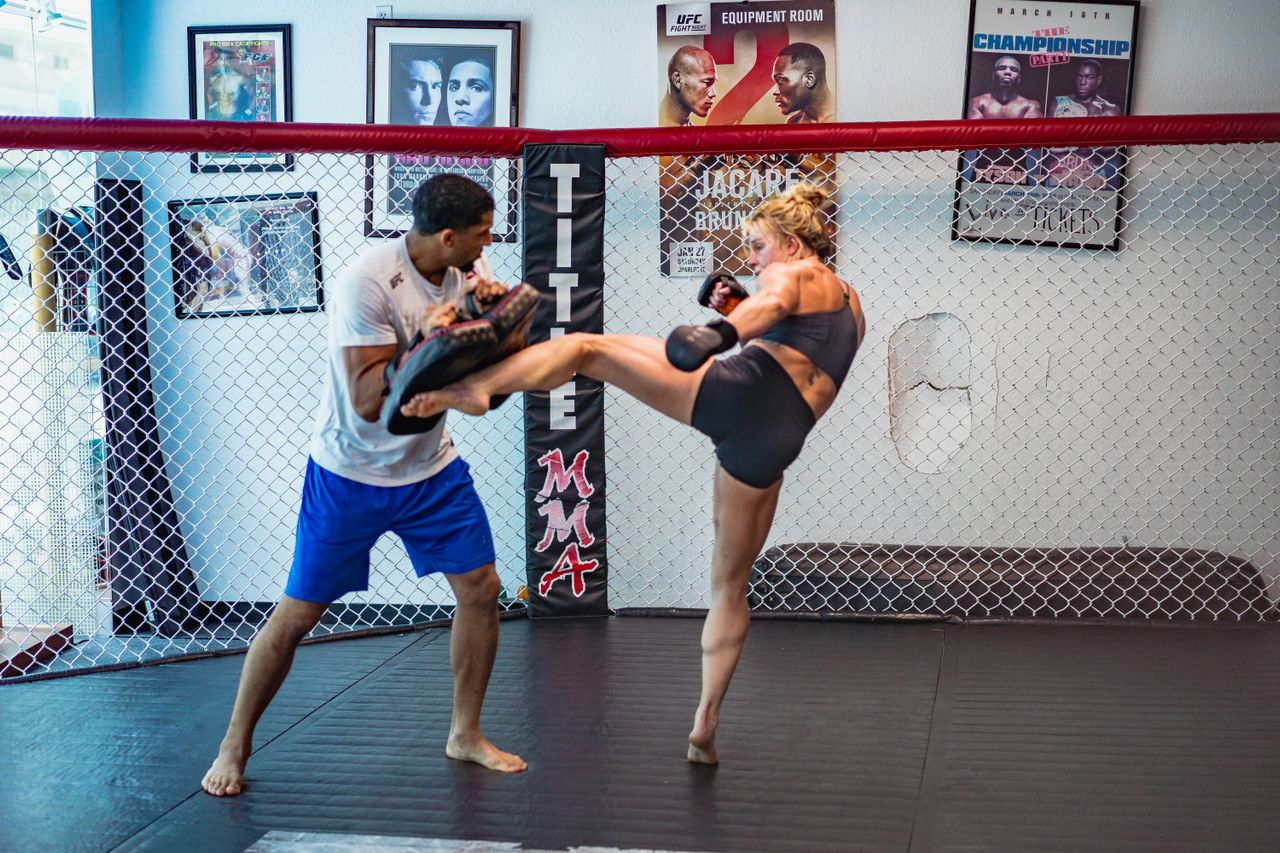
The gym culture in Kansas tends to be practical. These are not celebrity boxing rooms or luxury fitness brands at the center of the scene. The more important spaces are local clubs, youth programs, police athletic-style programs, mixed combat-sports gyms, and small boxing rooms where athletes learn conditioning, footwork, bag work, and sparring discipline. In many communities, boxing survives because of committed coaches rather than commercial demand. One serious trainer can keep a local scene alive for years by developing young fighters, traveling them to tournaments, and connecting them with regional competition.
Amateur boxing is especially important to the state’s structure. In a place without constant professional cards, amateur competition gives boxing its foundation. Young fighters often enter the sport through local gyms, regional Golden Gloves-style tournaments, military connections, or multi-sport athletic backgrounds. Kansas has the kind of sports culture where wrestlers, football players, and tough general athletes can be drawn toward boxing because of its individual demands. That crossover does not always produce lifelong boxers, but it keeps the talent pool alive.
Professional boxing in Kansas is more selective. The state can host fight nights, and certain venues around Wichita, Topeka, Kansas City, and casino or arena settings can support cards, but Kansas is not a week-to-week professional boxing hub. That changes the meaning of local success. A Kansas fighter with real ambition usually has to become comfortable traveling, fighting on regional undercards, taking difficult matchups, and building a record outside the state. The path is possible, but it is rarely easy or insulated.
The future of boxing in Kansas depends less on major events and more on infrastructure. The state’s boxing health will come from keeping gyms open, supporting youth coaches, giving amateurs more competitive opportunities, and maintaining ties to the larger Midwest fight circuit. Kansas may not be a national boxing capital, but it has a real boxing identity: a tough, regional, gym-driven scene with one heavyweight champion at its historical center and a continued reliance on fighters willing to travel for opportunity.