MMA in Mumbai is part of India’s larger attempt to turn a deep combat-sports culture into a modern mixed martial arts pipeline. Mumbai is not yet a global MMA capital, but it has several ingredients that matter: a massive population, a commercial sports market, a growing fitness industry, access to boxing and wrestling traditions, and a younger audience that recognizes the UFC, ONE Championship, and regional MMA brands. The city’s MMA identity is still developing, but it is more substantial than a casual trend.
The roots of Mumbai’s MMA scene sit inside India’s broader combat-sports landscape. Wrestling, especially traditional Indian wrestling and akhara culture, has long been one of the country’s most important fighting foundations. Boxing, judo, karate, taekwondo, and kickboxing have also provided athletes with entry points into full-contact competition. MMA requires all of those pieces to be integrated, and that has been the central challenge in India: the raw athletic base exists, but the full MMA ecosystem still needs consistent coaching depth, matchmaking, amateur development, and international exposure.
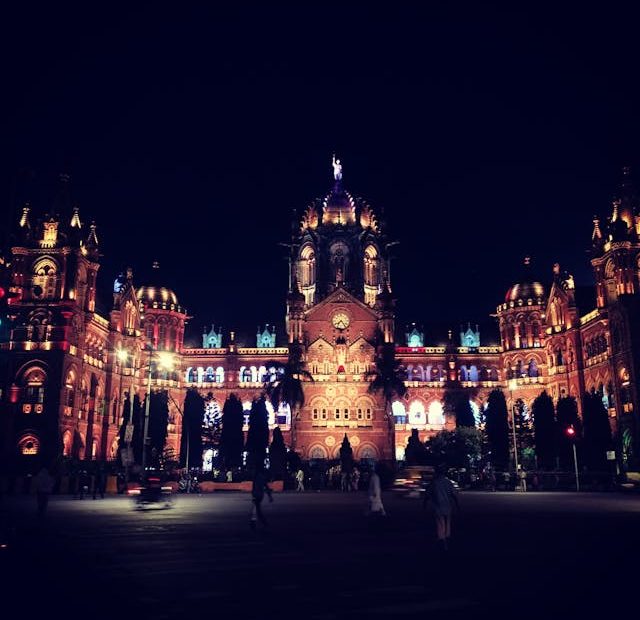
Mumbai’s importance comes partly from its status as a media and business center. A sport can grow in India without Mumbai, but it is difficult for a sport to become commercially visible without touching Mumbai. The city’s gyms, fitness audience, entertainment industry, and sponsor market give MMA a platform that smaller cities cannot easily match. That does not mean Mumbai automatically produces elite fighters, but it does make the city important for awareness, promotion, and athlete branding.
Indian MMA has produced recognizable names across regional and international promotions, and Mumbai fits into that wider story as a place where fighters can train, promote themselves, and connect with the country’s expanding combat-sports network. The Super Fight League helped give Indian MMA an early domestic platform, while later regional promotions and international opportunities gave Indian fighters more ways to test themselves. For many athletes, the path still requires movement: from local gyms to national circuits, from India to Southeast Asia or the Middle East, and eventually toward larger global promotions.
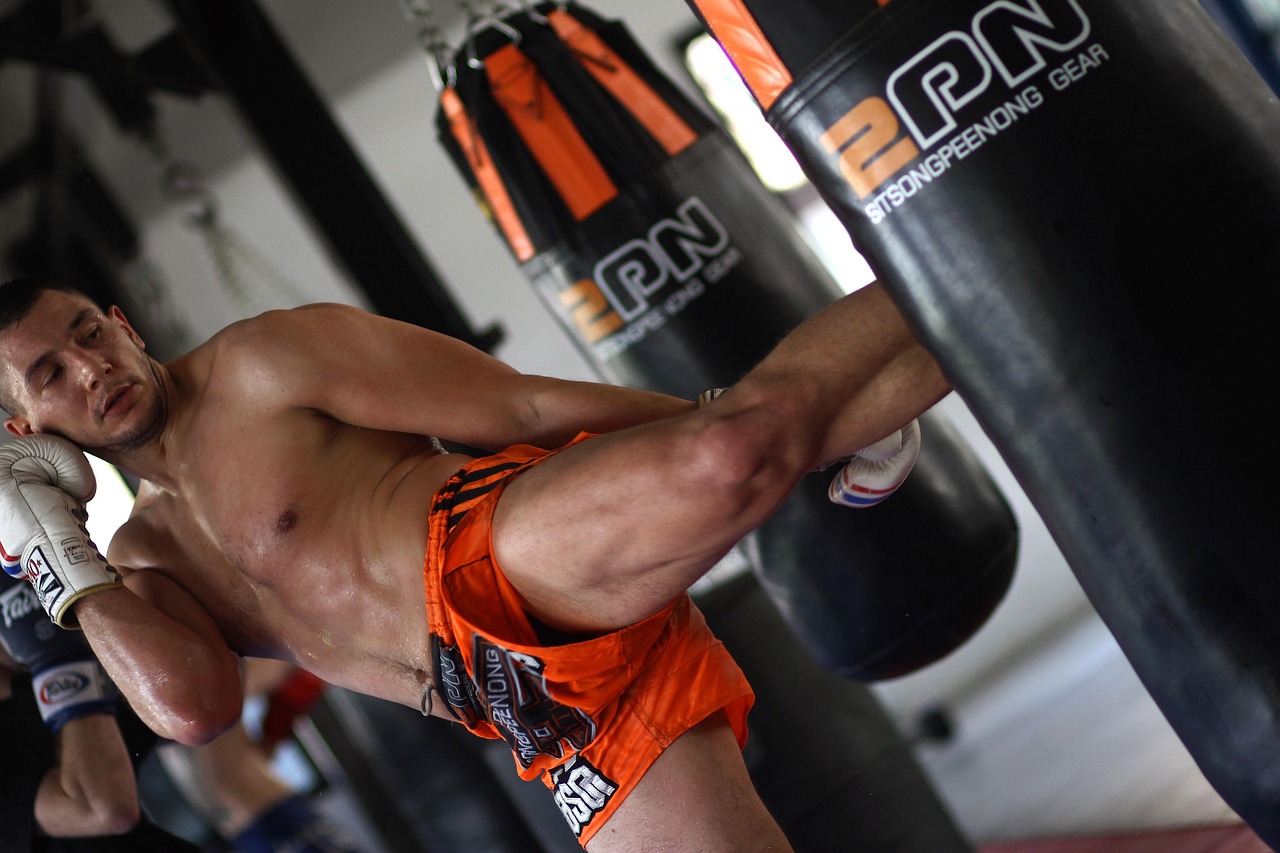
The gym culture in Mumbai reflects the sport’s transitional stage. There are more MMA, BJJ, kickboxing, boxing, and functional combat-sports programs than there were a decade ago, and the average urban fitness customer is much more familiar with martial arts training. But serious fighter development is different from offering MMA-style classes. High-level MMA requires wrestling integration, cage work, defensive grappling, sparring rounds, nutrition, strength training, and coaches who understand how to build complete fighters rather than isolated specialists. Mumbai’s best long-term value may be as a place where those systems become more professionalized.
Fan culture is also important. Mumbai has the kind of audience that can support screenings, fight-night events, influencer-driven combat sports, celebrity interest, and crossover promotion. MMA’s challenge in India is not whether people understand combat. The country already understands physical competition, toughness, and national pride in sport. The challenge is making MMA feel organized, legitimate, and locally accessible rather than something watched from abroad.
Mumbai’s future in MMA depends on whether the sport can move from enthusiasm to infrastructure. The city can help by producing better gyms, more amateur competitions, cleaner pathways for young fighters, and stronger links to national and international promotions. It has the commercial base to matter, but the sport still needs patient development. If Indian MMA grows into a larger global presence, Mumbai is likely to be one of the places where visibility, sponsorship, and athlete ambition converge.