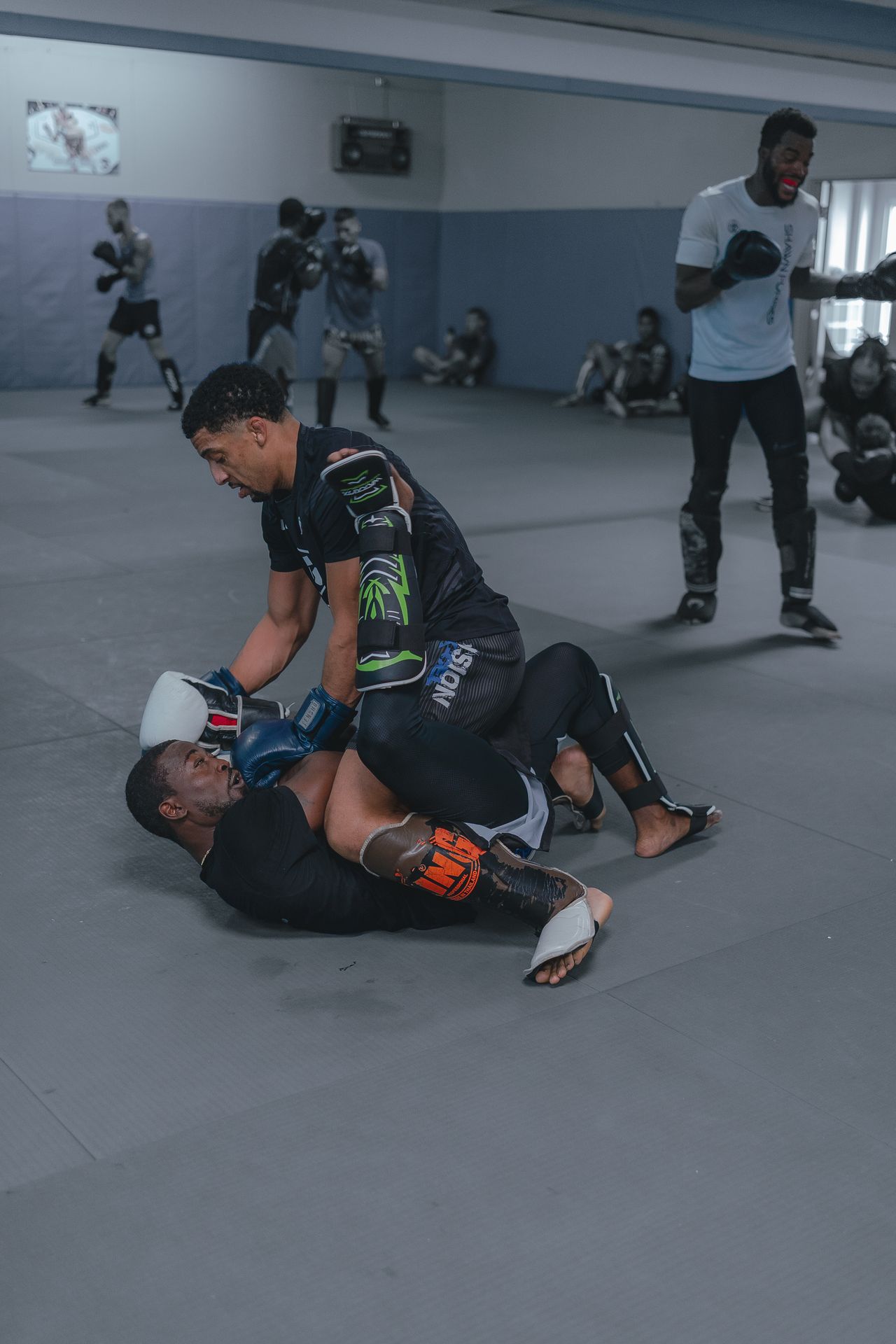
MMA in Kiribati is best understood as a very small, early-stage combat-sports identity rather than an established national scene. Unlike countries with recognized gyms, regular amateur cards, or fighters moving through regional promotions, Kiribati’s MMA footprint remains limited. That does not mean combat sports are absent. It means mixed martial arts has not yet developed the infrastructure that turns general fighting ability into a consistent MMA pipeline.
Kiribati’s combat-sports base is more visible through boxing, judo, taekwondo, and Pacific Games participation than through cage fighting. For a small island nation, this is normal. Olympic-style and regional multi-sport combat disciplines often appear before MMA because they are easier to connect to national sporting bodies, school programs, government recognition, and Pacific competition structures. Boxing in particular gives Kiribati a practical foundation: footwork, toughness, hand speed, conditioning, and competitive experience. Those traits transfer into MMA, but they do not create MMA fighters by themselves.
The missing pieces are the hardest parts to build in a small country. MMA requires a complete training environment: wrestling or takedown coaching, Brazilian jiu-jitsu or submission grappling, striking adapted for smaller gloves, clinch work, ground-and-pound defense, cage positioning, and coaches who understand how to combine those disciplines safely. In a larger country, an athlete might find all of that in one city. In Kiribati, the limitations are sharper. Geography, population size, travel costs, equipment, coaching availability, and the lack of regular fight cards all slow development.
That is why Kiribati’s MMA identity is likely to grow through two channels: local martial artists cross-training where possible, and I-Kiribati athletes in the diaspora training in larger combat-sports markets. Many smaller nations develop their first recognizable MMA names this way. A fighter with family roots in the country may train in Australia, New Zealand, Fiji, the United States, or another regional hub, then represent the island identity on a wider stage. That kind of diaspora route can matter deeply even when the home-country infrastructure remains small.
Tapology lists a small group of fighters under Kiribati nationality, but the listed records are largely undeveloped or inactive rather than evidence of a deep pro scene. That distinction matters. A country can have names in a database without yet having a stable MMA ecosystem. For Kiribati, the more accurate reading is that MMA interest exists at the margins of a broader combat-sports culture, but the sport has not yet formed a strong domestic structure.
The path forward would probably begin with grappling and amateur safety rather than professional promotion. A basic MMA scene needs coaches who can teach takedown defense, positional control, submissions, and striking defense under MMA rules. It also needs small, well-regulated amateur events where athletes can learn without being rushed. For island nations, regional partnerships are essential. Competition against fighters from Fiji, Samoa, Tonga, Papua New Guinea, Australia, and New Zealand would give Kiribati-based athletes a wider field than they could find at home.
Kiribati should not be described as an emerging MMA hub. It is not there yet. Its current identity is better described as a small Pacific combat-sports nation where MMA remains mostly developmental. The foundation is athletic courage and combat-sports participation. The next step is technical infrastructure. If that develops, Kiribati’s first serious MMA breakthrough will likely come from a boxer, judoka, or diaspora fighter who adds the missing grappling and cage skills in a stronger regional training market.