MMA in San Marino is best understood as a small-scene European profile rather than a major fighter-producing market. The republic has a serious sporting culture for its size, and it has organized martial arts activity, but modern MMA remains limited compared with neighboring Italy and the larger European fight circuits. San Marino’s combat-sports identity is not built around UFC names or a deep professional roster. It is built around traditional martial arts, small-state athletics, cross-border access, and the possibility of athletes developing through nearby Italian systems.
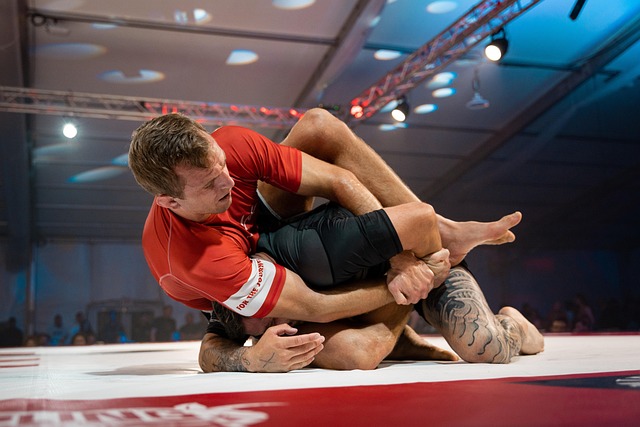
The most important combat-sports base in San Marino is grappling. Judo has a formal presence, and the national martial arts structure includes judo, wrestling-related activity, aikido, and associated disciplines. That matters because judo and wrestling are among the cleanest routes into MMA when athletes later add striking and submission grappling. A small country does not need a large MMA scene to build useful ingredients. It needs athletes who understand balance, clinch control, throws, pins, and disciplined training. San Marino has more of that foundation than its limited MMA visibility might suggest.
Still, there is a difference between having martial arts and having MMA. Judo, aikido, karate, kickboxing, and jiu-jitsu can all contribute to a mixed martial artist, but MMA requires integration. The fighter must learn how to move between ranges, strike into takedowns, defend against the fence, work from guard, stand up under pressure, and manage rounds with small gloves. That integrated coaching environment is harder to build in a microstate because the athlete pool is smaller and sparring variety is limited.
San Marino’s biggest advantage is geography. Unlike isolated island scenes, San Marino sits inside the Italian combat-sports ecosystem. Fighters and coaches can connect with gyms in Emilia-Romagna, Marche, Tuscany, and the wider Italian MMA circuit without needing the kind of long-distance travel that Caribbean or Pacific athletes often face. This makes cross-border development the logical path. A Sammarinese athlete can represent San Marino while training, sparring, or competing through Italian promotions and academies.
That relationship with Italy is essential to the country’s MMA outlook. Italy has a broader base of boxing, kickboxing, Brazilian jiu-jitsu, grappling, and MMA promotions. San Marino can use that nearby infrastructure as an extension of its own limited market. For a small republic, the goal does not need to be a self-contained MMA industry. A more realistic model is a local martial arts base connected to regional competition abroad.
The fighter list remains thin at the international MMA level. San Marino does not currently have a widely recognized group of UFC, Bellator, PFL, ONE, or major European promotion veterans defining its MMA identity. That absence should not be overstated into failure. Many microstates produce combat athletes sporadically rather than continuously. When an athlete does break through, it is usually because they combine local identity with external training and competition.
Fan culture is likely to follow exposure. If Sammarinese athletes compete on Italian regional cards, if local martial arts clubs cross-train more seriously, or if events include MMA-adjacent disciplines such as grappling and kickboxing, the sport can grow gradually. The country’s small population means growth will be measured in gyms, athletes, and cross-border opportunities rather than large arenas or major promotions.
San Marino’s MMA identity is therefore developmental and regional. Its roots are in traditional martial arts and grappling, its competitive pathway runs through Italy, and its future depends on whether local athletes can turn martial arts foundations into complete MMA skill sets. It is not a major MMA market, but it has a plausible route: disciplined small-state combat sports feeding into the broader European scene.