Buffalo’s boxing identity has always been tied to toughness, neighborhood gyms, and the hard athletic culture of western New York. This is not a city that needs boxing to be polished to understand it. Buffalo’s fight scene comes from cold-weather discipline, compact communities, blue-collar sports loyalty, and a long tradition of athletes who learn to compete in rooms where reputation is earned one round at a time.
Boxing in Buffalo sits somewhere between historic fight-town identity and regional development scene. It does not carry the global glamour of Las Vegas or the sheer championship machinery of New York City, but it has the older bones of a real boxing place. Fighters have come through local clubs, amateur programs, school gyms, community centers, and regional fight nights that connect Buffalo to Rochester, Syracuse, Cleveland, Pittsburgh, Toronto, and the wider northeastern boxing circuit.
Buffalo’s boxing history belongs partly to the city’s industrial character. Like many older American fight towns, boxing grew in working neighborhoods where gyms offered structure, competition, and a path into sport for young men who needed somewhere to put their energy. The city’s Irish, Italian, Polish, Black, and immigrant communities all helped shape the broader athletic culture around boxing. Fight nights were part of the same sporting fabric that made Buffalo loyal to football, hockey, and tough local athletes who represented the city without needing much glamour.
The name most often connected to Buffalo boxing history is Jimmy Slattery, one of the city’s great early boxing figures. A light heavyweight champion and one of the more stylish fighters of his era, Slattery gave Buffalo a place in boxing’s national memory. His career linked the city to the classic age of American prizefighting, when local fighters could become national sporting figures through newspaper coverage, arena shows, and regional circuits that fed into championship contention.
Buffalo has also produced and developed fighters through a less famous but important amateur and club structure. The city’s boxing gyms have traditionally served as more than places to train. They have been neighborhood institutions, especially for young athletes who need discipline, mentorship, and a direct form of competition. That culture matters because many boxing cities are built less by one superstar than by generations of coaches, corner men, sparring partners, and local shows that keep the sport alive between major names.
The current Buffalo boxing scene works best as a regional fight ecosystem. Local athletes often need to travel for bigger opportunities, but that is part of the city’s boxing reality. A Buffalo fighter may develop at home, test himself in western New York, then move through cards in other parts of New York State, Ohio, Pennsylvania, or Ontario. That regional movement is important because Buffalo sits near the Canadian border and within reach of several active fight markets.
Amateur boxing remains one of the most important layers of the sport in Buffalo. Youth programs and local gyms provide the entry point for many fighters, while Golden Gloves-style competition gives serious amateurs a way to measure themselves beyond casual training. For a city like Buffalo, amateur boxing is not just a feeder system for professional careers. It is also the foundation of the sport’s local identity.
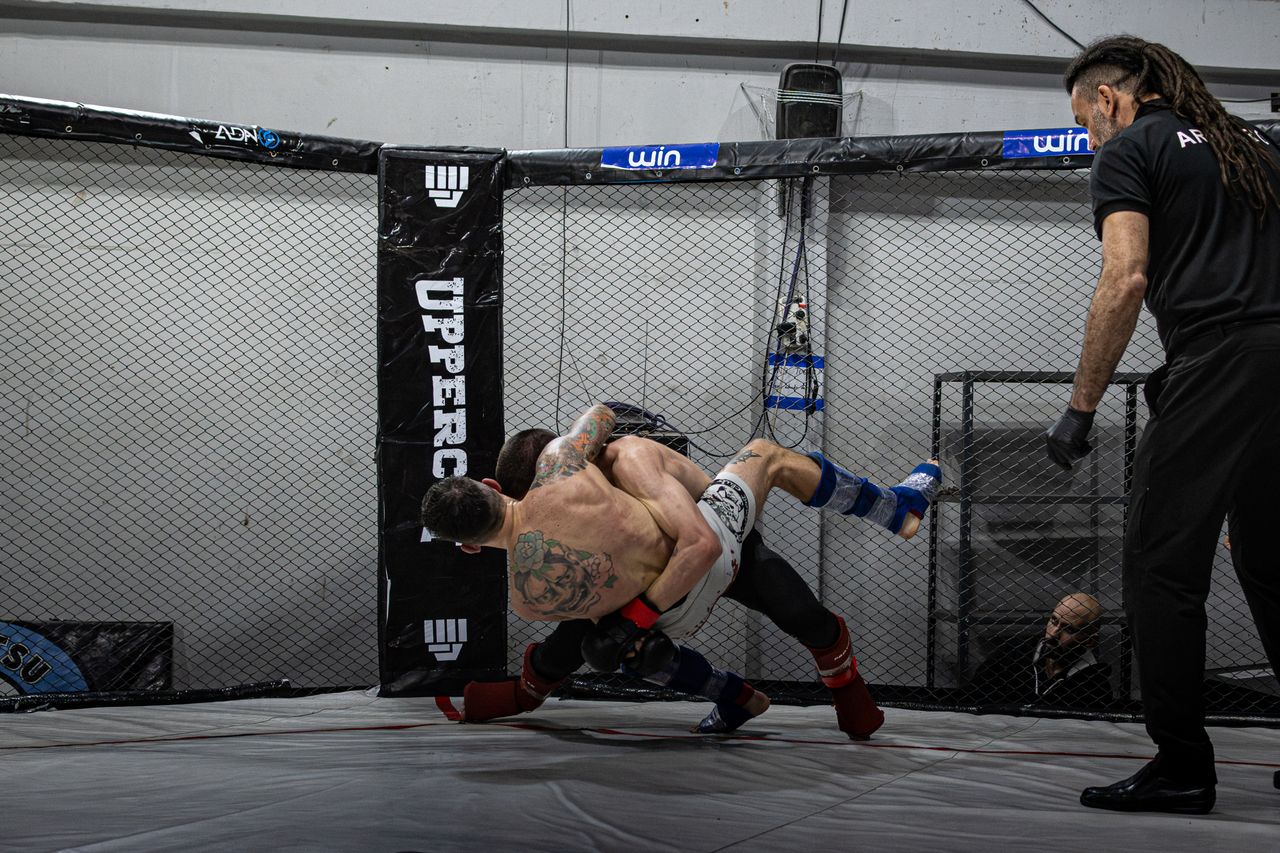
Professional boxing in Buffalo tends to be episodic rather than constant. The city can support fight nights, especially when local fighters are featured, but it is not a regular stop for the highest-profile national promotions. That gives Buffalo boxing a different feeling. The sport is less about celebrity prizefighting and more about whether a fighter can build a following, sell tickets, and make people in the city care.
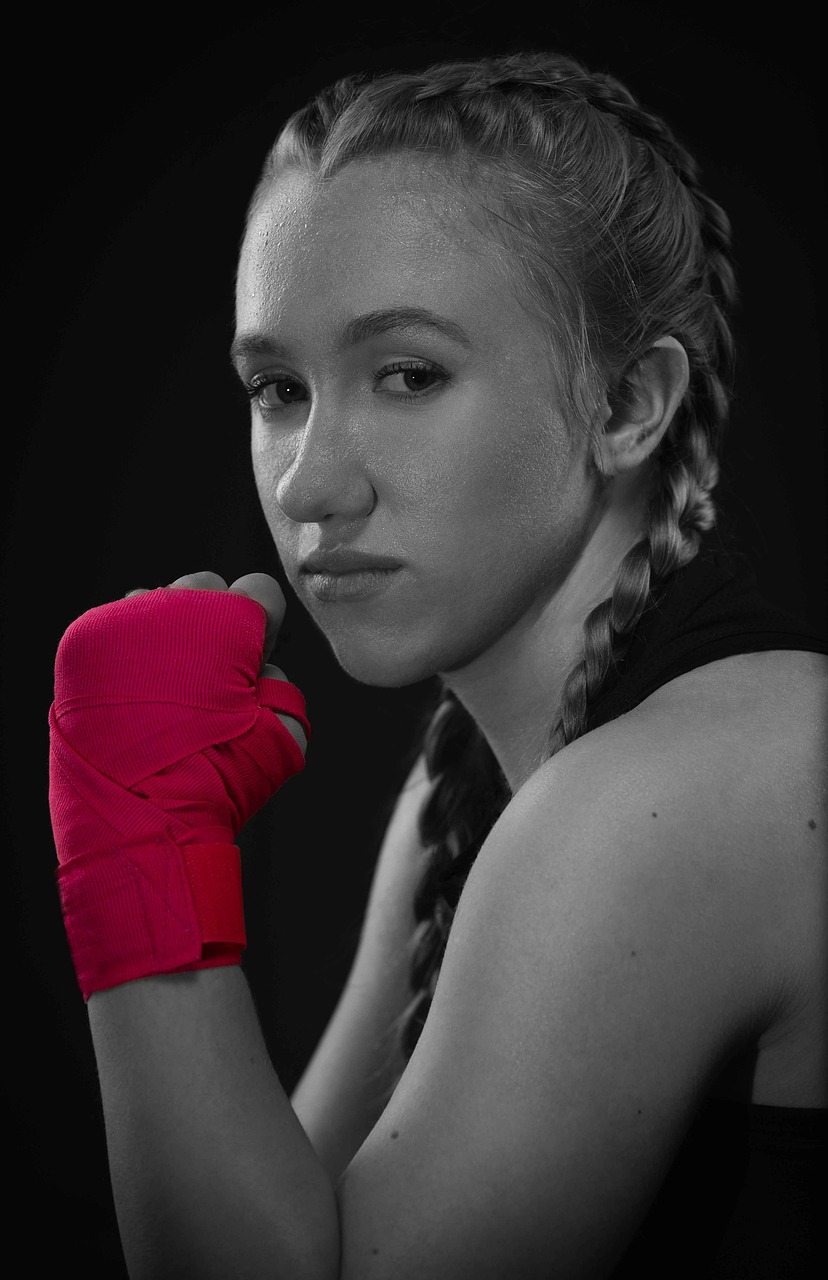
Women’s boxing and fitness boxing also have room to grow in Buffalo. Like many American cities, the sport now reaches beyond the traditional competitive gym. More adults use boxing for conditioning, confidence, and self-defense, while women’s boxing has gained visibility through national and international success. In Buffalo, that creates a wider base of participation even when the professional scene is not always in the spotlight.
Buffalo boxing is ultimately defined by its seriousness. It is a city where boxing makes sense culturally: hard winters, loyal neighborhoods, intense sports fans, and a preference for athletes who seem built rather than marketed. The future of boxing in Buffalo depends on the same things that built its past: strong gyms, committed coaches, local events, amateur development, and fighters who are willing to take the harder road through a regional circuit. Buffalo may not be boxing’s biggest stage, but it remains the kind of place where boxing still feels natural.