Uganda’s boxing identity begins with the amateur ring. The country has produced world champions, dangerous professionals, and respected prizefighters, but the deepest part of Uganda’s boxing story is tied to national teams, Olympic campaigns, Commonwealth Games performances, youth clubs, and the fighters known collectively as the Uganda Bombers. The sport has often carried more international weight than its domestic infrastructure would suggest.
Boxing in Uganda has never been defined only by money, arenas, or a constant professional calendar. It has been defined by fighters who learned in modest gyms, represented the country abroad, and forced Uganda into conversations normally dominated by larger boxing systems. Uganda’s Olympic boxing record includes medals from Leo Rwabwogo, Eridadi Mukwanga, and John Mugabi, giving the sport a special place in the country’s international sporting history.
That amateur foundation matters because it explains why Uganda has regularly produced boxers with sharp fundamentals, serious competitive habits, and the ability to succeed outside the country. The domestic professional scene has had interruptions, uneven funding, and limited promotional muscle, but Uganda’s boxing culture has survived through clubs, coaches, national trials, continental competition, Commonwealth ambitions, and a deep belief that the ring remains one of the country’s clearest routes to global recognition.
The Bombers and Uganda’s National Boxing Reputation
The Uganda Bombers are central to the country’s boxing identity. As the national boxing team, they represent Uganda in competitions such as the Olympic Games, Commonwealth Games, African Games, and continental championships, and they are managed through the Uganda Boxing Federation. For many Ugandan fans, the Bombers are not just a national team name. They are the symbol of a boxing tradition that has repeatedly produced international moments from a relatively small sporting base.
Uganda’s strongest boxing eras have usually been connected to amateur tournaments. The Olympic Games and Commonwealth Games gave Ugandan fighters a stage before the country had the kind of professional boxing economy that could consistently build global title contenders at home. Fighters could emerge from local gyms, prove themselves through national competition, and then meet elite opposition from Europe, North America, Asia, and the rest of Africa.
That pathway shaped the country’s reputation. Ugandan boxers became known for toughness, conditioning, and the ability to compete against technically strong opponents. The best Ugandan amateurs were not novelty entrants. They were medal threats. They were the kind of fighters other teams had to prepare for carefully.
The 1968 Mexico City Olympics remain one of the defining moments in Ugandan boxing. Eridadi Mukwanga won silver at bantamweight, while Leo Rwabwogo won bronze at flyweight. Four years later, Rwabwogo added another Olympic medal, winning silver at the 1972 Munich Games. In 1980, John Mugabi won Olympic silver at welterweight before becoming one of Uganda’s most famous professional fighters.
That Olympic history gives Uganda a boxing résumé that many countries with larger populations and richer sporting systems do not have. The medalists also gave later generations a standard to chase. A Ugandan boxer entering an international tournament carries the memory of Rwabwogo, Mukwanga, Mugabi, and the Bombers’ wider tradition.
How Boxing Took Root in Uganda
Ugandan boxing developed through the same forces that shaped the sport across much of the Commonwealth: schools, military structures, police clubs, urban gyms, local competitions, and international amateur tournaments. The sport fit environments where discipline, toughness, and structured training mattered. It also offered young athletes a way to be seen beyond their immediate community.
Kampala has naturally been the center of much of the country’s boxing activity, but Uganda’s boxing culture has never belonged only to one city. Clubs and coaches across the country have played roles in developing young fighters, especially where boxing has been tied to community recreation, youth discipline, and national selection.
The amateur structure gave boxing a framework. Fighters did not need a large professional market to begin competing. They needed a gym, a coach, sparring, local tournaments, and a route into national trials. That made boxing more accessible than sports requiring expensive equipment or large facilities. The ring could be basic, the gloves could be worn, and the room could be crowded, but the competitive standard could still be serious.
Uganda’s boxing history also reflects the country’s broader political and economic interruptions. Like many African boxing nations, Uganda has produced talent even when funding, administration, and athlete support were inconsistent. The sport has had periods of momentum followed by periods of strain. That unevenness has shaped the careers of many fighters. Some stayed in the amateur system. Some turned professional abroad. Some built their careers in the United Kingdom, the United States, Denmark, Australia, or elsewhere because the international professional market offered opportunities that were difficult to find at home.
This is one reason Uganda’s boxing map extends beyond Uganda itself. The country’s best fighters have often carried Ugandan boxing into foreign gyms and foreign arenas. Their careers are Ugandan, African, Commonwealth, and international at the same time.
Famous Ugandan Boxers and the Meaning of Their Careers
Uganda’s most important boxing figures are not just names on a list. They represent different versions of what Ugandan boxing has been able to produce.
Leo Rwabwogo stands as one of Uganda’s great Olympic boxing figures. His bronze medal in 1968 and silver medal in 1972 made him one of the country’s most decorated boxers. His career belongs to the amateur tradition, and his success helped establish boxing as one of Uganda’s strongest Olympic sports.
Eridadi Mukwanga’s 1968 Olympic silver medal gave Uganda another early boxing landmark. His achievement matters because it came during a period when Uganda was still building its post-independence sporting identity. A medal in boxing was not just an individual accomplishment. It was evidence that Ugandan athletes could succeed on the highest international stage.
John “The Beast” Mugabi represents a different version of Ugandan boxing greatness. He was an Olympic silver medalist in 1980, then became a feared professional known for his punching power and aggressive style. Mugabi later held the WBC super-welterweight title and challenged elite opponents in one of boxing’s most demanding eras. His reputation traveled far beyond Uganda because his professional fights placed him in front of global audiences.
Ayub Kalule belongs near the top of any serious discussion of Ugandan boxing. He won Commonwealth Games gold in 1974 and became a world champion as a professional. Kalule’s career is important because it shows the classic Ugandan pathway from amateur excellence to professional success abroad. He was not simply a good national-level boxer. He became a world-class fighter.
Cornelius Boza-Edwards, born in Kampala, became WBC super featherweight champion and built much of his professional career through the British boxing system before later becoming associated with boxing in the United States. His career reflects the diaspora dimension of Ugandan boxing: talent formed in Uganda, sharpened abroad, and remembered as part of the country’s wider boxing legacy.
Kassim Ouma added another chapter. A world champion at junior middleweight, Ouma became one of the best-known Ugandan professionals of the modern era. His career connected Ugandan boxing to the American professional scene, where opportunity, risk, and visibility were all larger than anything available domestically. BoxRec lists Ouma among Uganda’s world champions alongside Kalule, Mugabi, and Boza-Edwards.
Justin Juuko, Godfrey Nyakana, Mohamed Muruli, Mustafa Wassaja, Jackson Asiku, and others add further depth to Uganda’s boxing history. Juuko and Nyakana were Commonwealth Games gold medalists in 1990, while Mohamed Muruli won Commonwealth gold in 1974. These names matter because they show that Uganda’s boxing tradition was not carried by one isolated star. It was sustained by multiple generations.
Kampala, Clubs, and the Training Rooms That Keep Boxing Alive
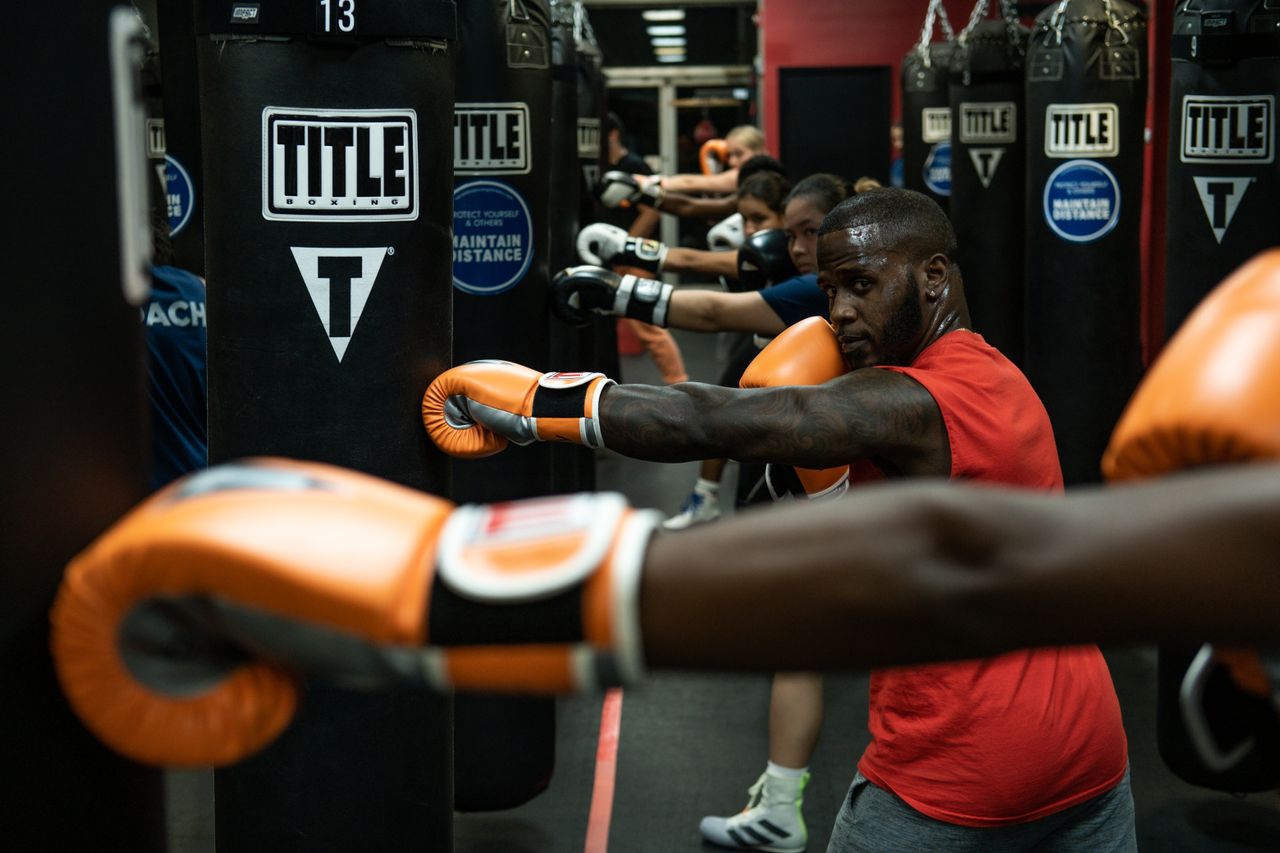
Ugandan boxing is still grounded in the gym. The country’s boxing culture depends on local clubs, volunteer coaches, national competitions, sparring networks, and the ability to identify disciplined young athletes before they drift into other sports or away from organized competition altogether.
The gym culture is not glamorous, but it is the heart of the sport. Young fighters learn stance, footwork, defense, combinations, conditioning, and ring temperament in rooms where reputation is earned slowly. A boxer might begin for fitness, discipline, self-defense, or curiosity, but the serious ones are eventually pulled toward competition. Once that happens, the amateur system becomes the main measuring stick.
Uganda’s gyms have to do more than teach boxing. They often have to solve problems around equipment, travel, nutrition, medical support, and tournament access. That reality affects fighter development. A country can have talent and still lose athletes if the pathway is too expensive, too inconsistent, or too dependent on a few committed coaches. Uganda’s boxing scene has often survived because of individuals who keep clubs active even when the sport lacks ideal resources.
That is why the Uganda Boxing Federation’s role is so important. As the national governing body, it is responsible for governance, development, administration of clubs and competition, and representation in international boxing structures. For Uganda, federation organization is not just bureaucracy. It is the system that connects local gyms to national teams, continental events, Commonwealth Games selection, and Olympic qualification.
The best Ugandan boxing gyms are therefore not only places where people train. They are part of a national pipeline. They introduce athletes to discipline. They prepare fighters for amateur cards. They create sparring communities. They keep the sport visible in neighborhoods where football may dominate public attention but boxing still offers a direct route to individual achievement.
Uganda at the Commonwealth Games
The Commonwealth Games have been especially important to Uganda’s boxing identity. For many Ugandan fighters, the Commonwealth level has offered a realistic but prestigious international stage: deep enough to include strong boxing nations, but familiar enough to sit naturally within Uganda’s sporting history.
Uganda’s 1974 Commonwealth Games performance in Christchurch remains one of the country’s major multi-sport achievements, with boxing playing a major role. Commonwealth Sport notes that Uganda’s biggest medal haul to that point came at the 1974 Games, largely through athletics and boxing. That matters because boxing was not a side story. It was one of the sports helping define Uganda’s international success.
The 1974 boxing gold medalists included Ayub Kalule at lightweight and Mohamed Muruli at welterweight. In 1990, Justin Juuko won gold at light flyweight and Godfrey Nyakana won gold at lightweight. Those victories show the spread of Uganda’s amateur quality across weight classes and eras.
The Commonwealth platform also fits Uganda’s boxing style historically. Fighters from the country have often thrived in tournament environments where conditioning, pressure, adaptability, and mental sharpness matter. A boxer must fight multiple times, adjust quickly, and handle different styles in a short period. Uganda’s best amateurs have repeatedly shown they can compete in that format.
In recent years, the Commonwealth Games have remained a major target for the Bombers. Uganda’s national boxing team has continued to prepare for Commonwealth competition, with the 2026 Glasgow Games identified as a major focus for the squad. That continuity is important. Even when Olympic qualification is difficult and the professional scene is uneven, the Commonwealth Games give Uganda a clear competitive objective.
Professional Boxing and the Ugandan Fighter Abroad
Uganda’s professional boxing story is powerful but scattered. Unlike the United States, Mexico, the United Kingdom, or Japan, Uganda has not had a consistently deep domestic professional boxing economy. The country has produced serious professionals, but many of the biggest careers have needed foreign bases, foreign promoters, and foreign fight markets.
That has created a distinctive pattern. Ugandan fighters often build their reputations internationally while remaining part of Uganda’s boxing memory. Kalule fought much of his professional career in Europe. Boza-Edwards became associated with British and American boxing. Mugabi became globally known through major professional fights outside Uganda. Ouma built his championship career in the United States. Their success expanded Uganda’s boxing reputation, but it also showed the limits of the domestic market.
This does not weaken Uganda’s boxing identity. It explains it. Uganda has been a producer of fighters more than a destination for major professional boxing. The country’s greatest export has not been a massive fight-night industry. It has been talent.
That talent has often fit the professional game well. Ugandan fighters have been known for durability, pressure, and willingness to take difficult assignments. Mugabi’s nickname, “The Beast,” captured a style that international fans could understand instantly. Kalule’s skill and consistency made him one of Uganda’s most respected champions. Boza-Edwards showed how a Ugandan-born fighter could adapt to the hard British professional circuit and become a world champion.
The challenge for Uganda is converting more local talent into sustainable professional careers without requiring every serious boxer to leave the country to develop properly. That requires matchmaking, licensing, sponsorship, television or streaming exposure, medical standards, promotion, and a stronger local fight calendar. Without those pieces, Uganda can continue to produce good fighters, but many of them will still need opportunities abroad to reach their ceiling.
Women’s Boxing and the Next Layer of Growth
Women’s boxing gives Uganda an important growth opportunity. Across the world, women’s boxing has moved from marginal visibility into Olympic programs, professional title fights, and mainstream sports coverage. Uganda’s boxing system has the chance to benefit from that shift if clubs, coaches, schools, and national selectors continue opening serious pathways for female fighters.
Catherine Nanziri’s appearance among Olympic boxers for Uganda is one sign of that wider development. Her presence matters because representation changes what young athletes believe is possible. When women see Ugandan boxers moving through international pathways, the sport becomes less narrowly defined as a male tradition.
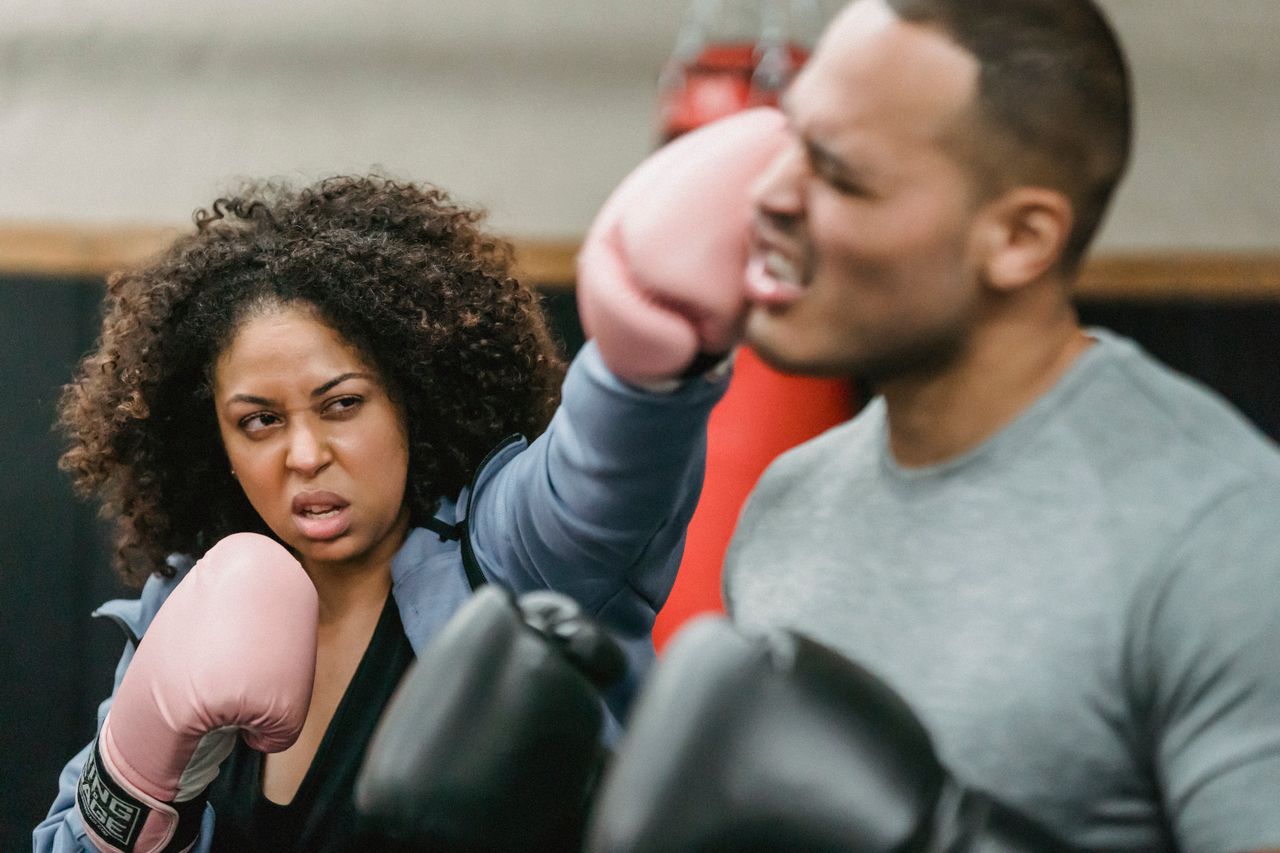
The growth of women’s boxing also changes the gym environment. It requires better coaching standards, safer training structures, proper matchmaking, and respect for female athletes as competitors rather than novelty participants. For Uganda, this could become one of the most important ways to modernize the sport.
Women’s boxing can also help expand boxing beyond its old base. Fitness boxing, school programs, university participation, and amateur tournaments can bring more women into the sport, some for recreation and some for competition. The countries that develop women’s boxing seriously will have more chances at continental medals, Commonwealth success, and Olympic qualification. Uganda already has a boxing culture. The question is whether that culture can become broader, more inclusive, and more professionally supported.
Uganda’s Place in African Boxing
Uganda belongs in the serious conversation about African boxing history. The country may not have the professional volume of South Africa, the global champion pipeline of Ghana or Nigeria at certain moments, or the enormous population base of larger African nations, but Uganda’s Olympic and Commonwealth record gives it real standing.
Uganda’s strongest claim is quality over volume. A country with Olympic boxing medals, Commonwealth champions, and multiple professional world champions has a legitimate boxing pedigree. The names are strong enough to carry weight: Rwabwogo, Mukwanga, Kalule, Mugabi, Boza-Edwards, Ouma, Juuko, Nyakana, Muruli. That is not a thin tradition.
Regionally, Uganda also benefits from East Africa’s wider sporting culture. Kenya, Tanzania, and other neighboring countries have their own combat sports histories, and regional competition gives Ugandan boxers useful tests outside purely domestic opposition. The African boxing landscape is competitive because athletes often have to overcome funding gaps, limited facilities, and uneven professional pathways. Uganda’s best fighters have shown that those obstacles do not prevent success, but they do make long-term development harder.
The country’s boxing future will depend partly on how well it connects local development to international opportunity. African championships, Commonwealth events, Olympic qualifiers, and professional networks all matter. A Ugandan boxer needs rounds at home, but also exposure beyond Uganda. The sport cannot grow if the best fighters only compete locally, and it cannot sustain itself if every elite athlete must leave permanently.
What Uganda Boxing Needs Next
Uganda’s boxing future depends on structure as much as talent. The country has already proven that it can produce fighters. The harder task is building a system that keeps more of them active, visible, healthy, and professionally guided from youth competition into senior amateur boxing or the professional ranks.
The first need is consistent amateur competition. Fighters improve by fighting. A strong calendar gives coaches a reason to keep athletes in the gym and gives selectors a clearer picture of who is developing. Without regular competition, talent becomes guesswork. The best boxers need rounds under pressure, not just training sessions.
The second need is stronger club support. Gloves, bags, rings, coaching education, medical checks, transportation, and nutrition all affect performance. Boxing is often described as a simple sport because the basic equipment is limited, but serious boxing development is not simple. A fighter’s progress depends on the quality of the room around them.
The third need is a better bridge between amateur and professional boxing. Uganda has produced professionals who succeeded abroad, but a stronger domestic and regional professional structure would help more fighters move carefully. Turning pro too early can damage a career. Staying amateur too long without support can also stall a fighter. The pathway has to be deliberate.
The fourth need is storytelling. Uganda has a boxing history worth preserving and promoting. The country’s great fighters should not be remembered only by specialists. Young boxers should know the Olympic medalists, the Commonwealth champions, the world champions, and the coaches who made the tradition possible. Boxing cultures are strengthened by memory. When a fighter enters a gym and understands the line they are joining, the sport gains depth.
Why Boxing Still Matters in Uganda
Boxing still matters in Uganda because it has given the country some of its clearest international sporting moments. It has produced Olympic medals, Commonwealth champions, professional world champions, and fighters whose reputations reached far beyond East Africa. It has done this without always having the infrastructure enjoyed by richer boxing nations.
Uganda’s boxing identity is not built around spectacle. It is built around the amateur ring, the national vest, the club coach, the difficult tournament, and the fighter who has to travel to prove himself. The professional champions are essential to the story, but they make the most sense when understood as products of a deeper boxing culture.
That culture has survived because boxing gives Ugandan athletes something direct. The ring is unforgiving, but it is also clear. A fighter trains, weighs in, steps through the ropes, and is judged by performance. For a country that has often had to fight for recognition in global sport, boxing has provided a stage where individual excellence can cut through every limitation.
Uganda’s next great boxing era will not come from nostalgia alone. It will require better administration, stronger clubs, women’s development, youth investment, professional opportunities, and international exposure. But the foundation is real. Few countries of Uganda’s size can point to the same combination of Olympic medalists, Commonwealth champions, and world-title fighters.
Ugandan boxing has already earned its place. The task now is to make the pathway strong enough for the next Rwabwogo, Mukwanga, Kalule, Mugabi, Boza-Edwards, Ouma, Juuko, or Nyakana to be developed, supported, and remembered properly.